











Arabic version: أم من أديلايد تدعو إلى تعزيز دعم الإسكان للمشردين
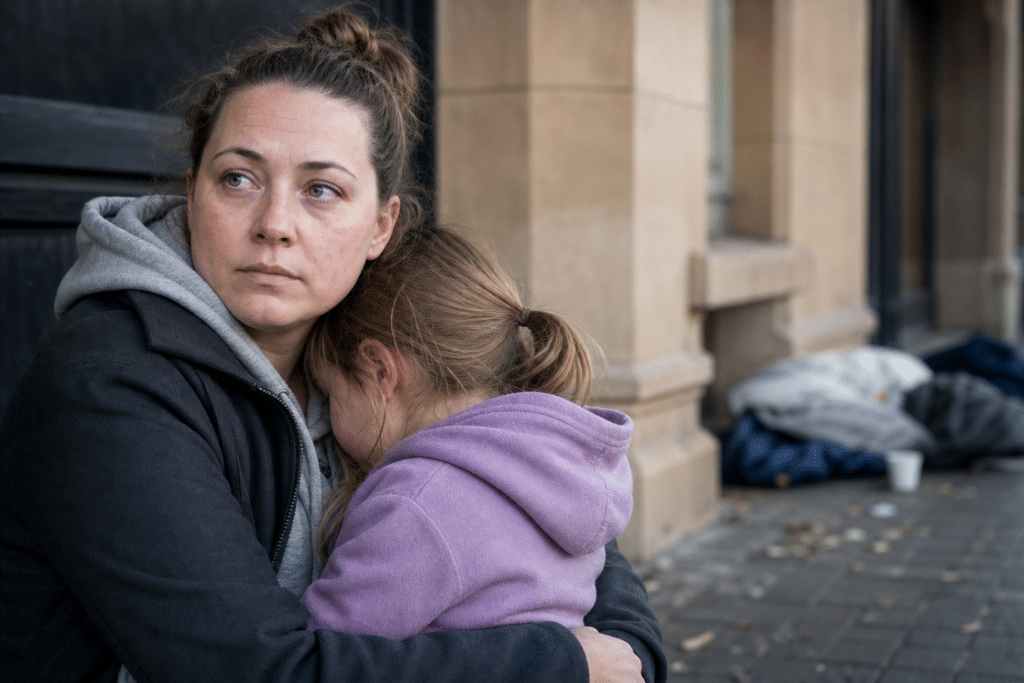
According to ABC News, Adelaide mother Amira lived in her car for 10 months after a relationship breakdown and is calling for more short- and long-term accommodation for people facing homelessness and mental health challenges. The 39-year-old, whose surname was withheld for privacy and because her children did not know the full extent of her situation at the time, said she had been a working-class mother who had recently received a promotion before her circumstances changed.
Amira and her former partner alternated staying at home with their children each week to give them stability. During the weeks she was not with the children, she had to leave the home. Although friends offered accommodation, she said she eventually felt like a burden and spent winter nights in car parks around Adelaide. She said she often went without so her money could be spent on her children.
She described taking extra safety measures while sleeping rough, including choosing well-lit car parks near public bathrooms and keeping an escape route nearby. Amira recalled a group of five men banging on her car window one night, with one trying to unlock the door. She said she bought cricket bats to give herself a sense of security. Hutt St Centre data showed a 77 per cent rise in female clients over four years.
Amira said her children’s school, additional work, more frequent appointments with her psychologist and other services helped her recover. She now helps people in similar circumstances access transitional housing and mental health support. An SA government spokesperson said $78.6 million would be spent on homelessness services in 2026–27, including access to 261 crisis beds and 459 transitional housing properties across four regional Homelessness Alliances. The government also said Haven Clearview, a Mind Australia supported housing service with NDIS-funded supports, opened this month after receiving $5.8 million in state funding.