











Reading in English | Read in العربية (Arabic)
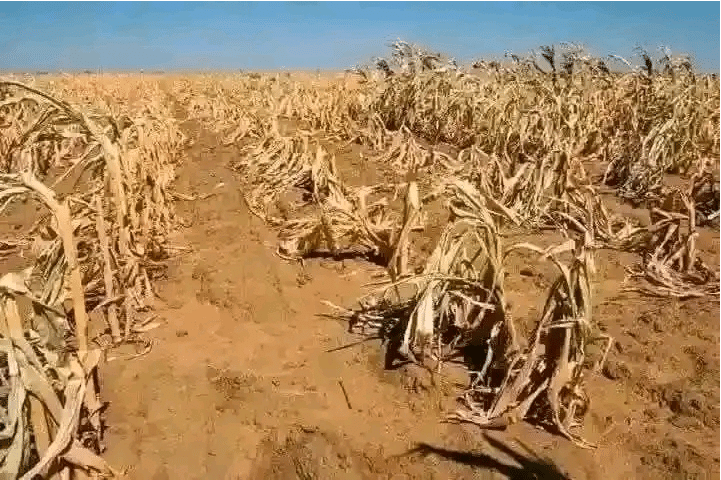
A prolonged dry spell in Terekeka County, South Sudan’s Central Equatoria State, is raising concerns over food shortages and increasing pressure on communities already struggling to access basic services.
Acting Relief and Rehabilitation Commission Coordinator Peter Ladu says residents are facing shortages of food and water. He is appealing to international humanitarian organisations, local NGOs and the state government to support affected communities.
Poor rainfall has added to the challenges facing farmers in Central Equatoria, threatening crop production and household food supplies.
Elsewhere in South Sudan, communities are contending with the effects of extreme weather and conflict. In the Greater Upper Nile region, flooding has damaged homes, farmland and livelihoods, while violence has forced families to flee. Communities living along the Nile remain particularly vulnerable to rising water levels.
In Greater Bahr el Ghazal, drought and high temperatures have also threatened harvests, putting further pressure on food supplies. Government officials have encouraged farmers to continue cultivating despite the difficult conditions.
These challenges are deepening humanitarian needs in a country where years of civil war and economic instability have weakened livelihoods and left many people dependent on humanitarian assistance.