













Arabic version: تزايد القلق بشأن انتحال الذكاء الاصطناعي للفنانين على سبوتيفاي
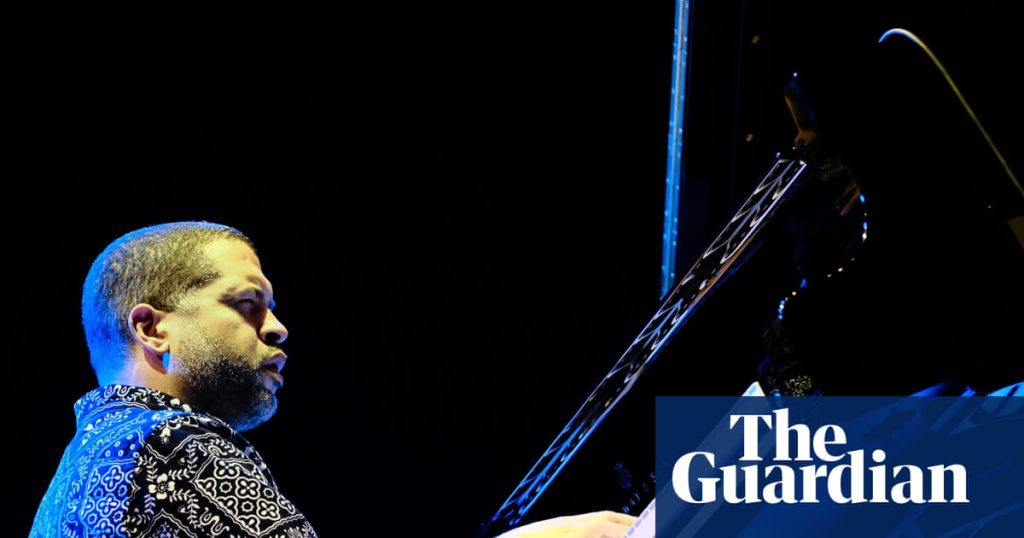
Jason Moran, a renowned jazz composer and pianist, recently discovered a troubling trend involving artificial intelligence on Spotify. After a friend alerted him to a new record under his name, Moran found an EP titled “For You” that he did not create. The album featured music that he described as indie pop, with no resemblance to his work. This incident highlights a growing issue where AI bots impersonate musicians, affecting numerous artists across genres.
According to The Guardian, the problem has escalated, with Spotify acknowledging the presence of fraudulent streams and claiming to have removed more than 75 million “spammy tracks” in the past year. The company is developing a new tool that will allow artists to review and approve releases under their name, aiming to strengthen protections against impersonation.
Moran expressed concerns that current measures may not be sufficient, especially for artists who do not have an account on Spotify or for those who have passed away. He raised the question of how deceased artists, like John Coltrane or Billie Holiday, can verify the authenticity of posthumous releases. Spotify’s spokesperson stated that rights holders for deceased artists can opt into the new tool, but for those without accounts, the platform will rely on internal detection systems.
The issue extends beyond jazz musicians, affecting a wide range of artists. Music industry insiders estimate that 5% to 10% of all streams across various platforms are fraudulent, potentially costing legitimate artists up to $2 billion annually. Recent cases of fraud, including a man who pleaded guilty to defrauding streaming services with thousands of AI-generated songs, underscore the urgency of addressing this issue.
As more artists like Moran share their experiences, the conversation around AI impersonation continues to grow, raising critical questions about artist rights and the integrity of music streaming platforms.