













Arabic version: لبنان يخطط لتشييع الجنود الذين قتلوا في الضربة الإسرائيلية
Funerals will be held for Lebanese officers killed in an Israeli attack in southern Lebanon. The soldiers, including a brigadier general, captain, and a soldier, were killed on June 6 when an Israeli strike targeted their military vehicle on the Khardali-Nabatieh road. The Lebanese army chief, Rodolphe Haykal, left on Saturday for Pakistan, which has emerged as a central mediator between the US and Iran, according to Al Jazeera.
The funerals will occur on Sunday, following a series of violent incidents that have escalated tensions in the region. Despite a ceasefire agreed upon on April 17, Israeli forces have continued to conduct near-daily attacks, leading to retaliatory actions from Hezbollah. The situation has resulted in significant civilian casualties, with more than 3,500 deaths reported since hostilities resumed on March 2.
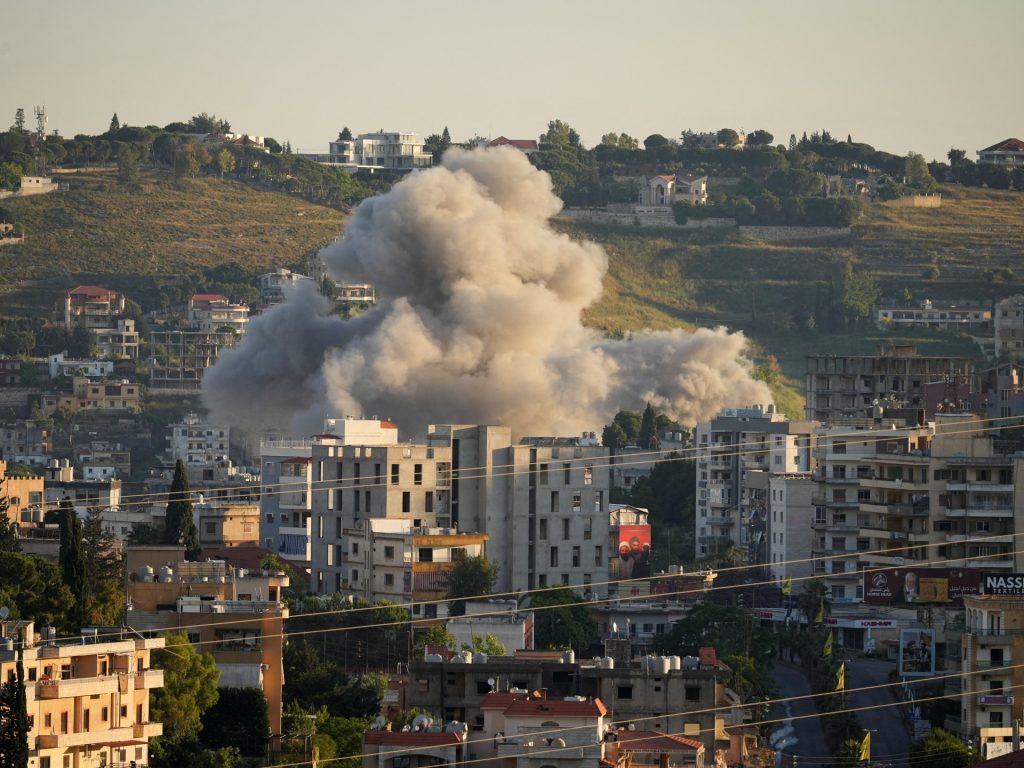
Israeli airstrikes have targeted various towns across southern Lebanon, causing further destruction and casualties. Reports indicate that an Israeli raid on the town of Saksakiyeh resulted in at least two deaths and multiple injuries, including children. The Lebanese Ministry of Public Health confirmed these casualties and noted ongoing searches for survivors under rubble from the attacks.
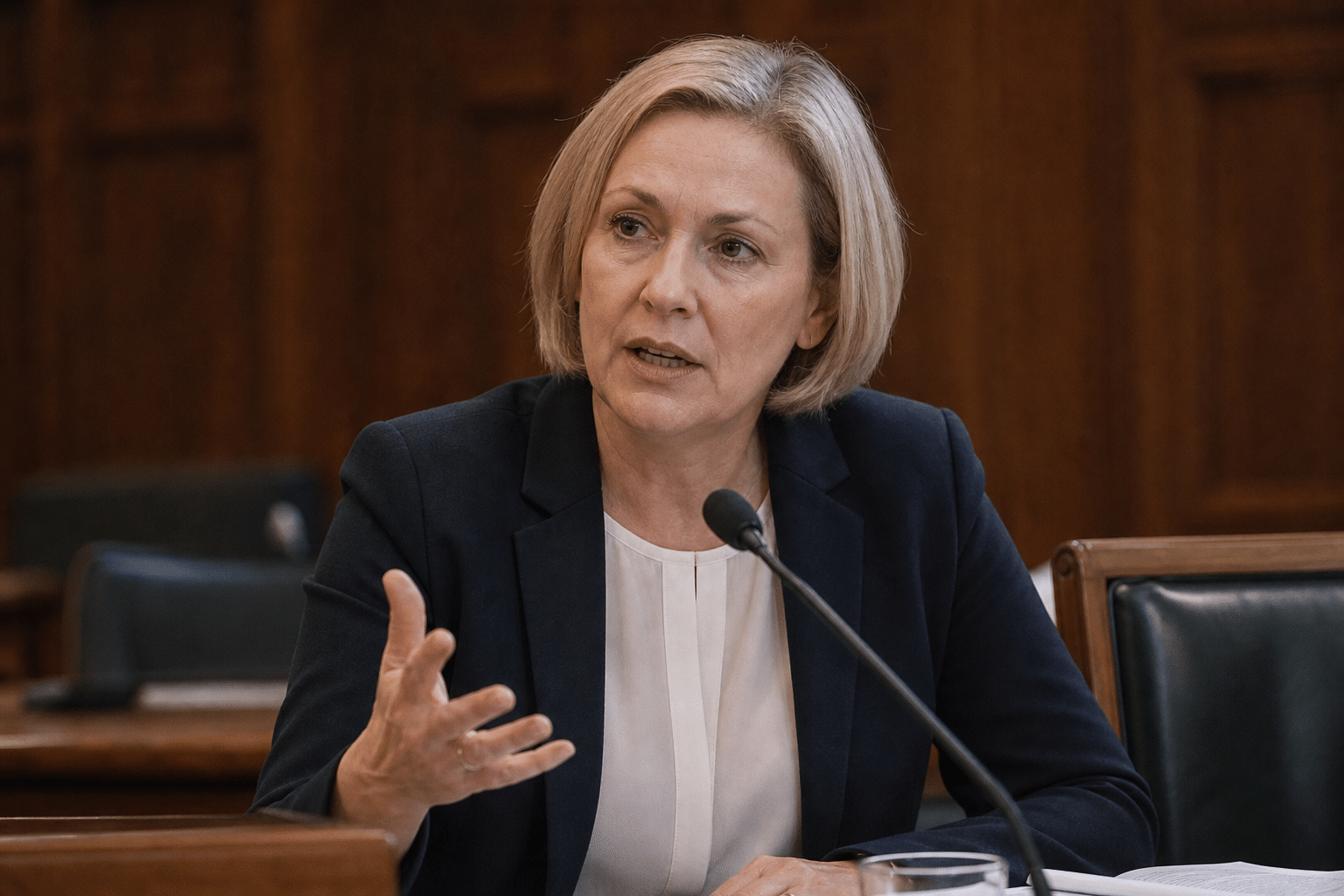
In light of the escalating violence, Lebanese lawmaker Najat Aoun Saliba has condemned the killings of the soldiers and stressed the need for negotiations with Israel. She highlighted the imbalance of power between the Lebanese Armed Forces and the Israeli military, calling for dialogue as the only viable path forward. Saliba emphasized that war would not bring peace and that negotiations are necessary to address the ongoing conflict.
Lebanon’s President Joseph Aoun and Prime Minister Nawaf Salam have both condemned the Israeli strike, describing it as a heinous crime and an attack on Lebanon and all Lebanese people. The situation remains critical as Lebanon navigates its role in the broader regional tensions involving Iran, Hezbollah, and Israel.