













Arabic version: صندوق إيران البالغ 300 مليار دولار يثير جدلاً سياسياً
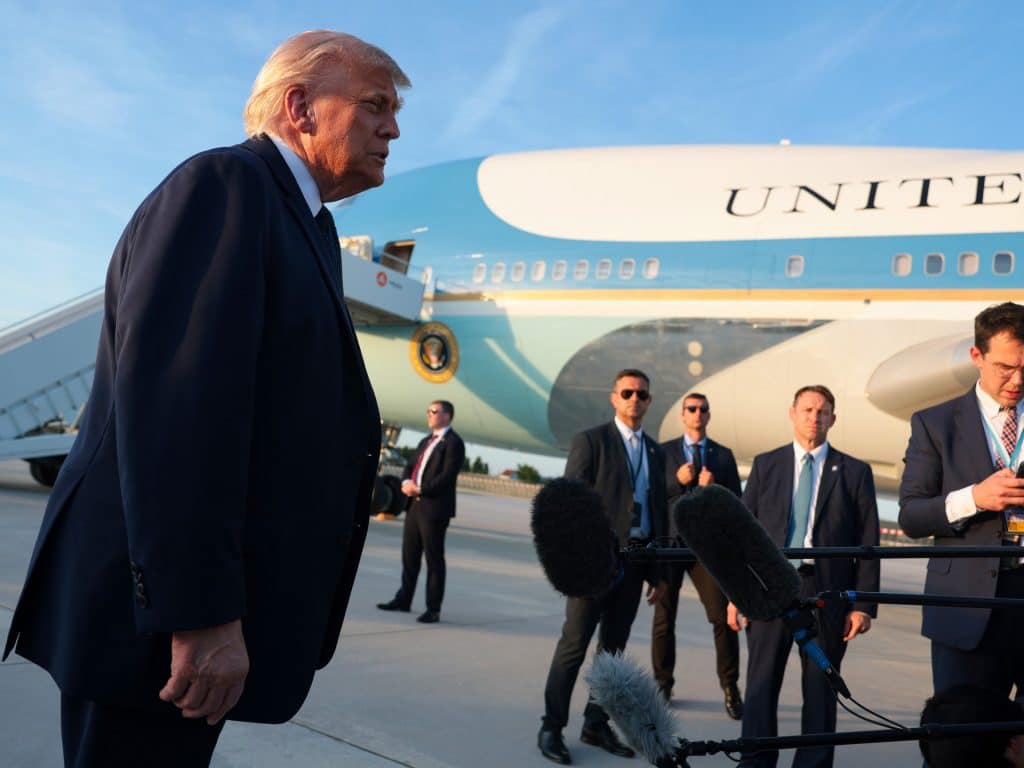
A provision in a memorandum of understanding (MoU) to end the US-Israel war with Iran has become the latest political flashpoint in Washington. President Donald Trump has defended the commitment to create a $300 billion reconstruction plan for Iran, asserting that it will not be funded by US taxpayers. According to Al Jazeera, both Trump and Vice President JD Vance have sought to reassure the public regarding the funding sources.
The MoU, signed by Trump and Iranian President Masoud Pezeshkian on Wednesday, outlines a commitment from the US to collaborate with regional partners on a definitive plan for Iran’s economic development. The exact mechanism for implementing this plan will be determined during a 60-day negotiation period, with the US agreeing to issue any necessary licenses or sanctions waivers. Trump has labeled claims of direct US funding for the initiative as “Fake News,” emphasizing that no American money will be sent to Iran.
While the specifics of the funding remain unclear, Vance indicated that financial contributions could come from regional Arab countries and international investors, contingent on Iran’s compliance with certain conditions. No countries have yet confirmed their financial commitments to the reconstruction plan.
Democratic lawmakers have begun to link the proposed $300 billion fund to pressing domestic issues, particularly as the midterm elections approach. Senator Amy Klobuchar criticized the plan, suggesting that the funds could instead address homelessness and education in the US. Similarly, Senator Chuck Schumer has stated that Democrats would not support sending such a large sum to Iran, while some Republicans have echoed concerns about the financial implications of the plan.
Critics, including Senator Roger Wicker, have compared the proposed fund to the $55 billion released under the 2015 Joint Comprehensive Plan of Action (JCPOA), which Trump withdrew from in 2018. The MoU does not address Iran’s nuclear program; instead, it launches 60 days of negotiations to address the issue and commits to the immediate lifting of sanctions on Iran’s fossil fuel industry and unfreezing billions in Iranian assets.