












Arabic version: إطار عمل أمريكي إيراني يشير إلى تحول محتمل في ديناميات الشرق الأوسط
On June 14, the United States and Iran agreed to a framework to end their war. The agreement includes the reopening of the Strait of Hormuz, cessation of bombings in Lebanon, and most critically, a halt to the killing. Following over 100 days of warfare that resulted in thousands of deaths, including Iran’s most senior leaders, this fragile truce is seen as a hopeful sign for peace. According to Al Jazeera, understanding the root cause of the conflict is essential to grasping the broader implications of this agreement.
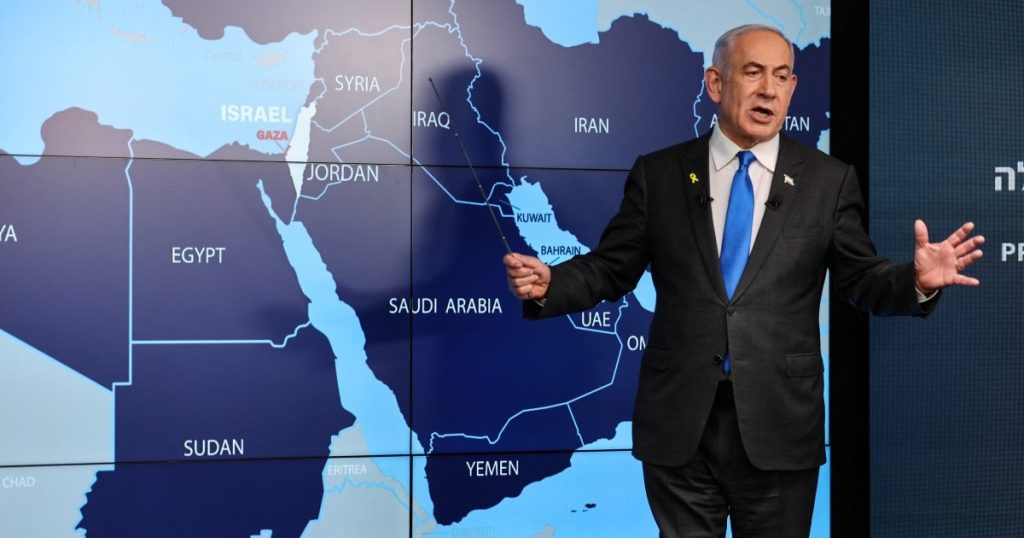
The concept of “Greater Israel” has been identified as a driving force behind numerous conflicts in the region, including those in Iraq, Gaza, Lebanon, Syria, and Iran. This ideology suggests that Israel should extend its borders to encompass all historic Palestine and parts of neighboring countries. Israeli Prime Minister Benjamin Netanyahu has professed to be “very” attached to a vision of “Greater Israel” that, he said, takes in the Palestinian territories and neighboring Arab lands, which has faced criticism for its implications on Palestinian rights and regional stability.
Critics argue that the doctrine of “Greater Israel” has led to a cycle of violence and has undermined Israel’s standing in the international community. Recent surveys indicate a growing unfavorable view of Israel globally, particularly among American citizens, who are increasingly questioning the country’s military actions and foreign policy decisions.
The ongoing conflict with Iran has been characterized as the latest manifestation of this ideology, with disastrous consequences. Previous military strategies, such as the attempts to overthrow the Syrian government, have resulted in prolonged violence rather than swift victories. The recent ceasefire agreement with Iran is viewed as a potential turning point, suggesting that diplomatic solutions may be more effective than military interventions.
For lasting peace in West Asia, experts advocate for an end to the “Greater Israel” doctrine, emphasizing the necessity of establishing a Palestinian state alongside Israel. The success of the recent truce demonstrates that mediation, rather than military might, could pave the way for stability in the region. As the United States navigates its foreign policy priorities, the path forward may depend on its willingness to support the creation of a Palestinian state, thereby fostering a more secure future for both Israelis and Palestinians.