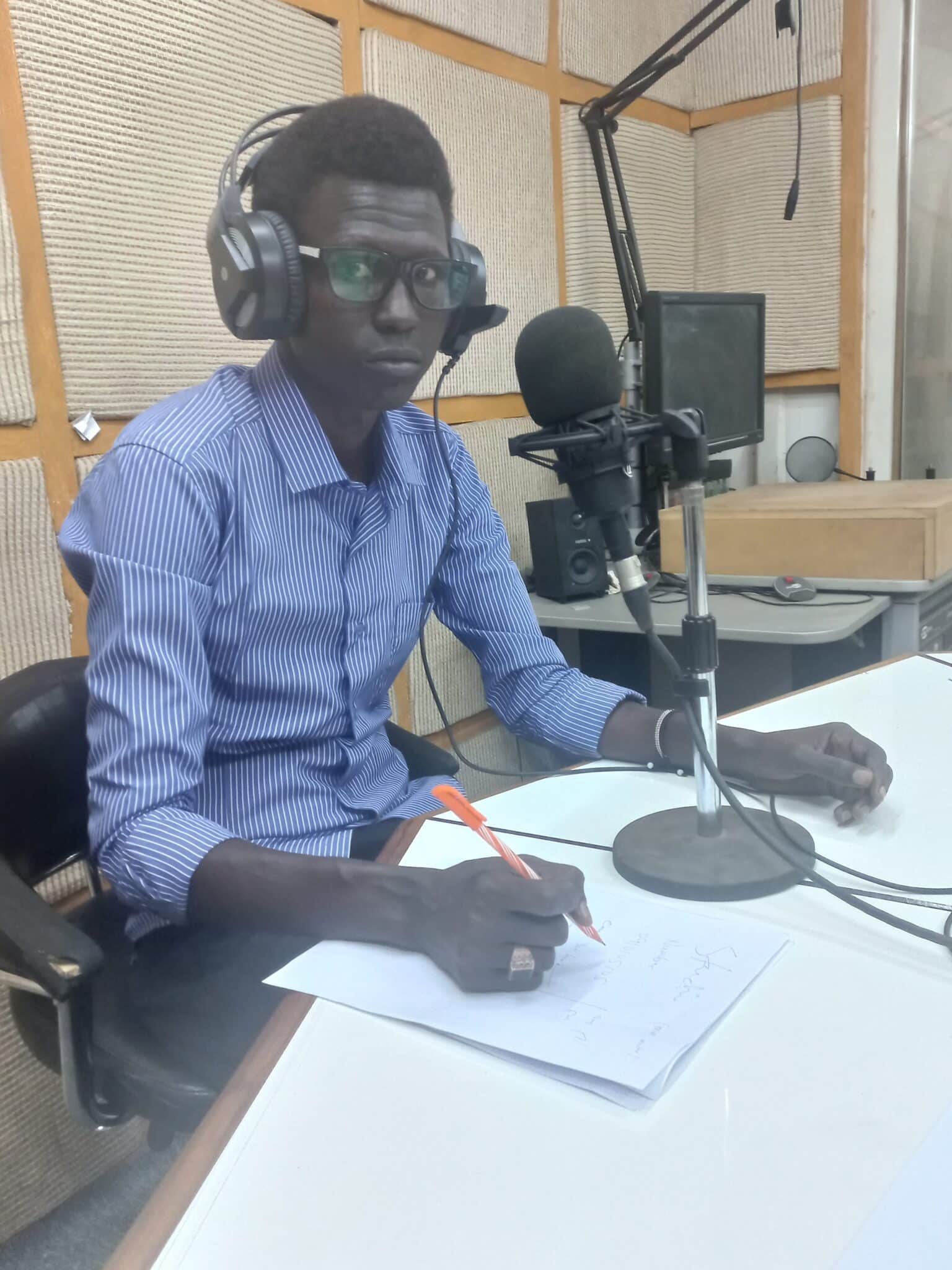











Human rights activist Ruth Nyaleel Kai Thoat has issued a stark warning about the deteriorating human rights situation in South Sudan, describing it as a prolonged national tragedy and a betrayal of the country’s independence.
Speaking with Oz Arab Media International, Thoat offered a sobering assessment of ongoing violence, governance failures, and the stalled peace process that continues to devastate civilians across the country.
A Nation in Crisis
According to Thoat, the human rights crisis in South Sudan has persisted since the outbreak of conflict in 2013, spreading relentlessly from one region to another — including Pajut, Jonglei, Upper Nile, and Unity State.
“Communities have been shattered, generations traumatised, and the promise of independence abandoned,” she said.
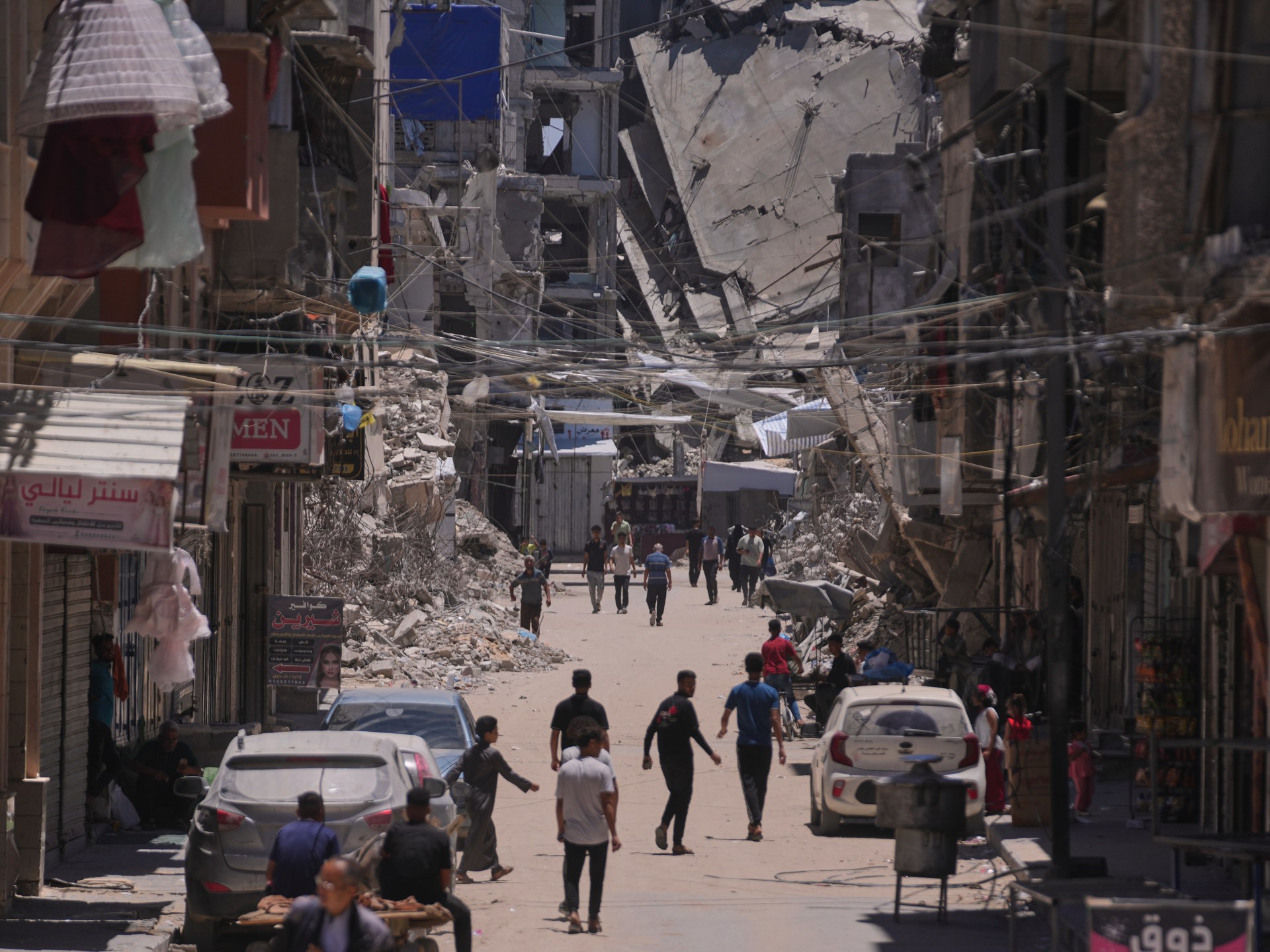
Civil society organisations that once sought to defend the vulnerable have been silenced through intimidation, arrests, and fear. Civilians — particularly women and children — continue to face killings, displacement, and the destruction of homes and livelihoods. Meanwhile, corruption and nepotism have become deeply entrenched, with public servants enduring unpaid salaries and deteriorating welfare.
“The state has failed in its most basic duty: to protect its people and uphold their dignity,” Thoat stated.
Pajut and the Pattern of Violence
Addressing the recent fighting in Pajut, Thoat stressed that the violence is not an isolated incident but part of a broader pattern that has repeated itself across Nasir, Ulang, Ayod, Uror, Lankien, and Nyirol.
Reports of night-time attacks, bombardments, and the destruction of villages have forced civilians into displacement and hunger. Militarised cattle raiding has also escalated into a deadly driver of conflict, transforming traditional practices into large-scale violence.
“These cycles of violence reflect a persistent failure to prioritise civilian protection,” she warned.
An Uncertain Human Rights Future
Despite producing an estimated 95,000 barrels of oil per day, South Sudan’s economy has collapsed, leaving large segments of the population facing extreme hunger.
“This contradiction is both painful and unjust,” Thoat said.
Rather than investing national resources in healthcare, education, infrastructure, and food security, funds have continued to fuel conflict. As long as war is financed while citizens starve, she argued, meaningful progress on human rights will remain impossible.
Peace Without Commitment
Thoat acknowledged the role played by the Troika, the African Union, and IGAD in brokering peace and facilitating the return of Dr Riek Machar to Juba to implement the Revitalised Peace Agreement.
However, she noted that hopes of a turning point quickly faded. Dr Machar’s arrest and placement under house arrest early last year raised serious concerns about political freedom and genuine commitment to peace.
While the Revitalised Agreement has been partially implemented, critical elements — particularly security arrangements — remain unresolved and dangerously stalled. The long-promised Hybrid Court for South Sudan, central to accountability and justice, has yet to be established.
Instead, attention has shifted to initiatives such as the Tumaini Peace Initiative, which many observers doubt will deliver concrete results.
“Peace cannot succeed where justice is endlessly deferred,” Thoat said.
Governance, Accountability, and Broken Trust
Governance in South Sudan, Thoat argued, continues to be undermined by systemic corruption, nepotism, and impunity. Appointments are often based on loyalty rather than competence, while citizens and civil servants bear the cost through neglect and hardship.
One of the most painful symbols of this failure, she said, is the death of the late Honourable Steward Sorobo Budia — a signatory to the Revitalised Agreement — who died in detention at the Blue House in January 2020.
“If a peace signatory can die in detention and remain unaccounted for years later,” she asked, “can a leadership that failed to protect a peace partner truly be trusted to deliver peace to an entire nation?”
Closing Reflection
South Sudan does not suffer from a lack of agreements.
It suffers from a lack of political will, accountability, and respect for human life.
As the people continue to wait for justice and genuine peace, one truth remains painfully clear:
“Peace that exists only on paper becomes a grave for the living.”