













Arabic version: القلق المستمر بشأن مزاعم الإبادة الجماعية في غزة
Recent discussions surrounding the situation in Gaza have reignited debates about the classification of ongoing violence and its implications for international law. Experts and human rights advocates are increasingly questioning whether the term ‘genocide’ applies to the actions taken by Israel against the Palestinian population. The term, defined by the United Nations as acts intended to destroy, in whole or in part, a national, ethnical, racial, or religious group, has been at the forefront of discussions following the escalation of violence in the region.
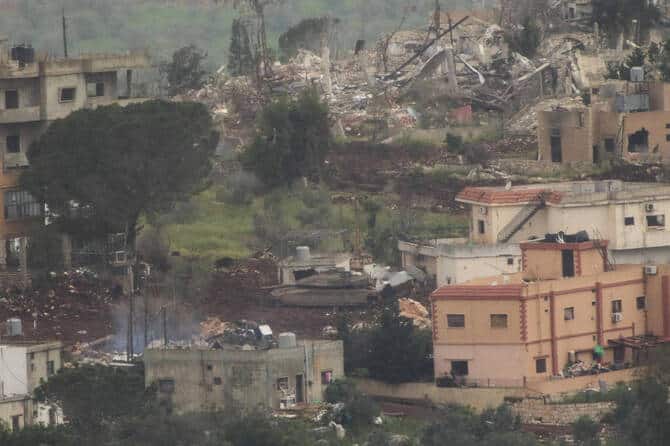
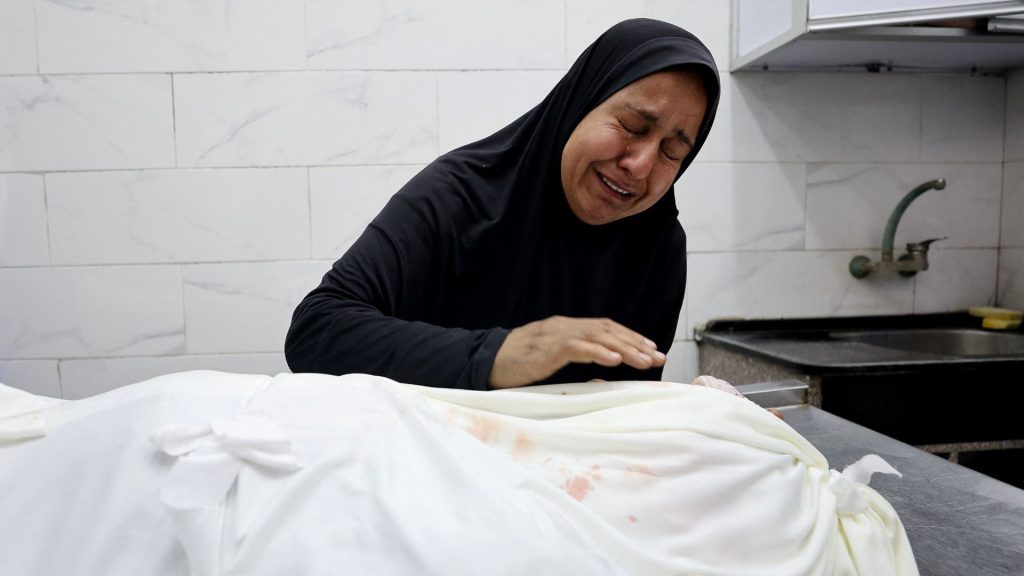
The situation in Gaza has deteriorated significantly, with reports indicating widespread suffering among the civilian population. Access to basic necessities such as food, clean water, and medical supplies has been severely restricted due to the ongoing blockade and military actions. Humanitarian organizations have raised alarms about the urgent need for aid, as the health infrastructure in Gaza struggles to cope with the influx of casualties and the lack of resources.
In recent interviews, a variety of experts weighed in on the situation. Some argue that the systematic targeting of civilians and the destruction of homes and infrastructure could constitute genocidal acts. They highlight the disproportionate impact on the Palestinian population, especially women and children, as evidence of a targeted campaign against a specific group.
Conversely, some officials and analysts argue that the term ‘genocide’ is being misused in the context of the Israeli-Palestinian conflict. They assert that military actions are conducted in the name of self-defense against militant groups, particularly Hamas, which has been accused of using civilians as shields. This perspective emphasizes the complexity of the conflict and the need for a nuanced understanding of the motives behind the actions taken by both sides.
The international community remains divided on this issue, with calls for accountability and justice often met with political complexities and diplomatic challenges. Various countries have issued statements condemning violence against civilians, but concrete actions to address the humanitarian crisis in Gaza remain elusive.
As the situation unfolds, the question of whether genocide is occurring in Gaza will continue to be a point of contention among scholars, policymakers, and activists. The need for a thorough investigation into the alleged atrocities and the establishment of a sustainable peace process is more pressing than ever. The voices of those affected by the violence must be heard, as the world grapples with the moral and legal implications of the ongoing conflict.