












Arabic version: قادة العالم يجتمعون في ميونيخ من أجل مؤتمر الأمن
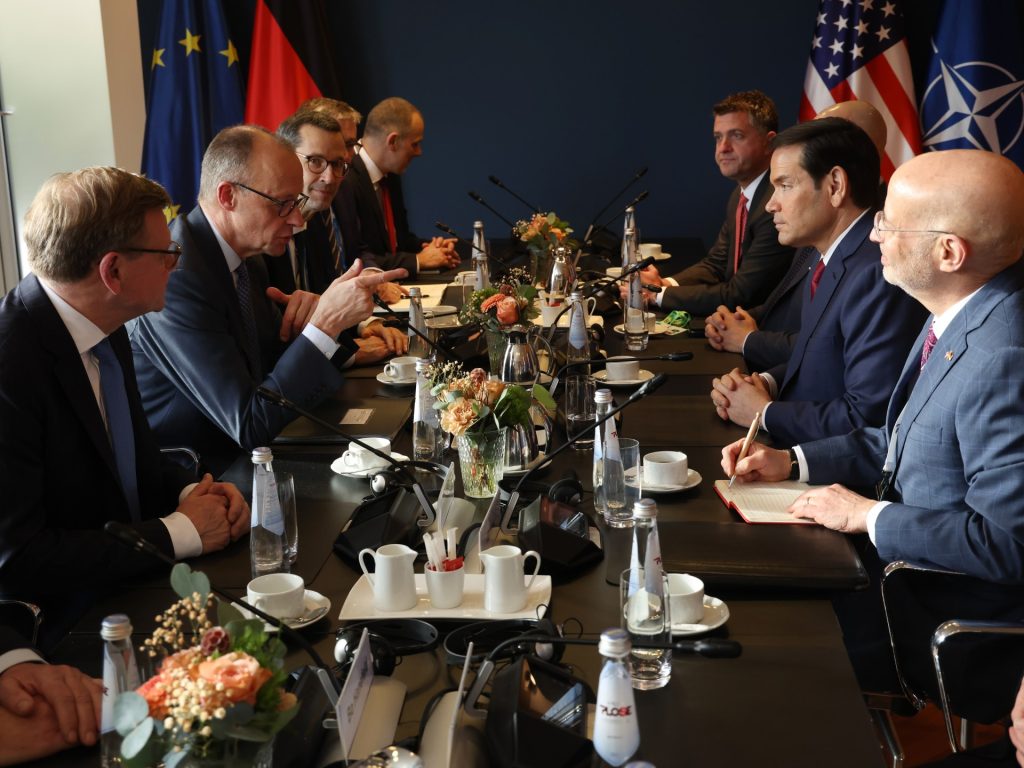
World leaders gathered in Munich on February 14 for the second day of the Munich Security Conference, a pivotal event that brings together heads of state, diplomats, and experts to discuss pressing global security challenges. The conference, which is being held amid rising geopolitical tensions, focuses on a range of issues including the ongoing conflict in Ukraine, the threat of nuclear proliferation, and the impact of climate change on global stability.
Keynote speeches and panel discussions have highlighted the urgent need for international cooperation in addressing these challenges. Participants have emphasized the importance of a united front against aggression, particularly in light of recent developments in Eastern Europe. The war in Ukraine remains a focal point, with many leaders calling for increased military and humanitarian support for the beleaguered nation.
In addition to the discussions on Ukraine, the conference has also addressed broader security concerns. Topics such as cybersecurity threats, the rise of authoritarian regimes, and the need for sustainable development have been prominent on the agenda. Experts have warned that failure to address these issues could lead to a more fragmented and dangerous world.
The Munich Security Conference, now in its 59th year, is renowned for its high-level dialogues and networking opportunities. This year, the event has attracted a diverse group of participants, including NATO Secretary-General Jens Stoltenberg, U.S. Secretary of State Antony Blinken, and numerous foreign ministers from around the globe.
As the conference continues, leaders are expected to engage in bilateral meetings to strengthen alliances and discuss strategic partnerships. The outcomes of these discussions may shape international policy and defense strategies for years to come.
The conference also serves as a platform for civil society voices, with various NGOs and advocacy groups participating in discussions. Their contributions aim to highlight the human impact of security policies and advocate for a more inclusive approach to global governance.
As the world faces multiple crises, the Munich Security Conference underscores the importance of dialogue and collaboration in fostering peace and stability. Leaders are hopeful that the insights gained from this gathering will lead to concrete actions that address the root causes of conflict and promote a safer world for future generations.