













Arabic version: إسرائيل توافق على تسجيل أراضي الضفة الغربية كملك للدولة
In a controversial move, the Israeli government has approved the registration of hundreds of acres of land in the West Bank as state property. This decision has raised concerns among Palestinians and international observers, who argue that it undermines the prospects for peace and exacerbates tensions in the region.
The Israeli Civil Administration announced that the land in question, located in the southern West Bank, had been declared state land. This designation allows for increased Israeli control over the area, which is home to numerous Palestinian communities.
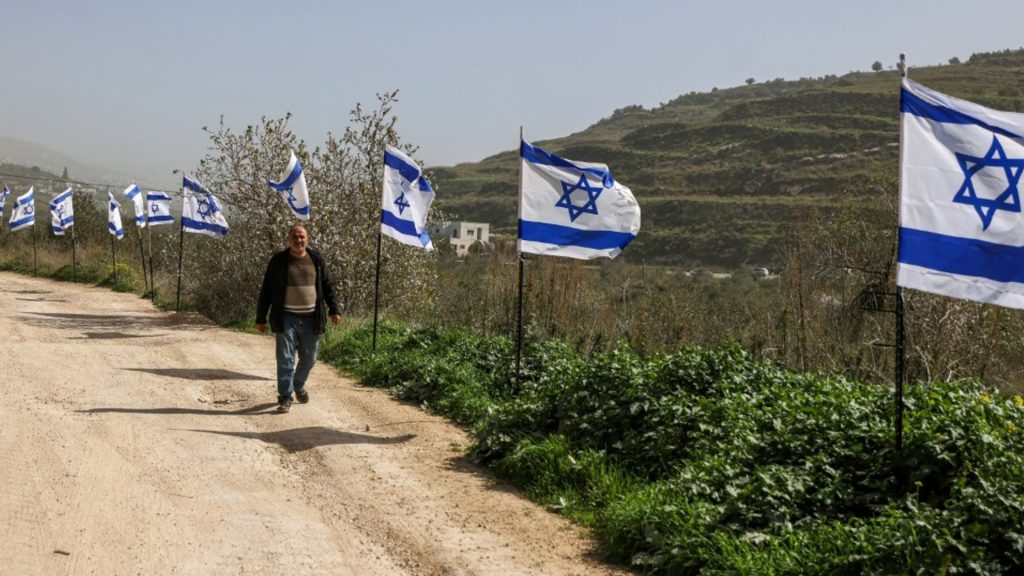
Critics of the decision argue that it is part of a broader strategy by the Israeli government to expand settlements in the West Bank, which are considered illegal under international law. The move has drawn swift condemnation from Palestinian officials, who view it as a direct threat to their rights and aspirations for statehood.
Palestinian Authority Prime Minister Mohammad Shtayyeh condemned the registration of the land, stating that it is a violation of international law and an attempt to erase Palestinian identity. He called on the international community to intervene and hold Israel accountable for its actions.
The decision has also sparked outrage among human rights organizations. B’Tselem, an Israeli human rights group, described the registration as a blatant land grab that further entrenches the occupation.
Supporters of the Israeli government’s actions argue that the registration of land is necessary for security purposes and to ensure the safety of Israeli citizens. They contend that the land in question is not privately owned by Palestinians and that its designation as state property is justified.
However, the move has been met with widespread protests from Palestinians, who fear that it will lead to further displacement and loss of their land. Demonstrations have erupted in various parts of the West Bank, with protesters calling for an end to Israeli occupation and the recognition of their rights.
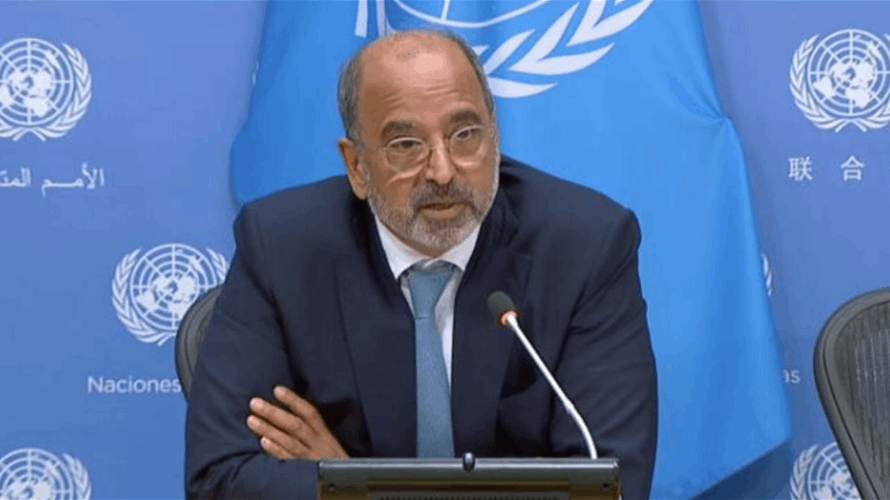
The international community has also reacted to the decision, with several countries expressing concern over Israel’s continued expansion of settlements and its impact on the peace process. The United Nations has reiterated its stance that settlements are illegal and that they undermine the possibility of a two-state solution.
As tensions rise in the region, the implications of Israel’s decision to register West Bank land as state property remain to be seen. Many fear that this move could further escalate violence and hinder any prospects for future negotiations between Israelis and Palestinians.
In the face of ongoing unrest, both sides will need to navigate the complexities of the situation carefully to avoid further deterioration of relations and to seek a path toward peace.