













Arabic version: تحليل الاستيلاء على الأراضي من قبل إسرائيل: الآثار والتفاعلات
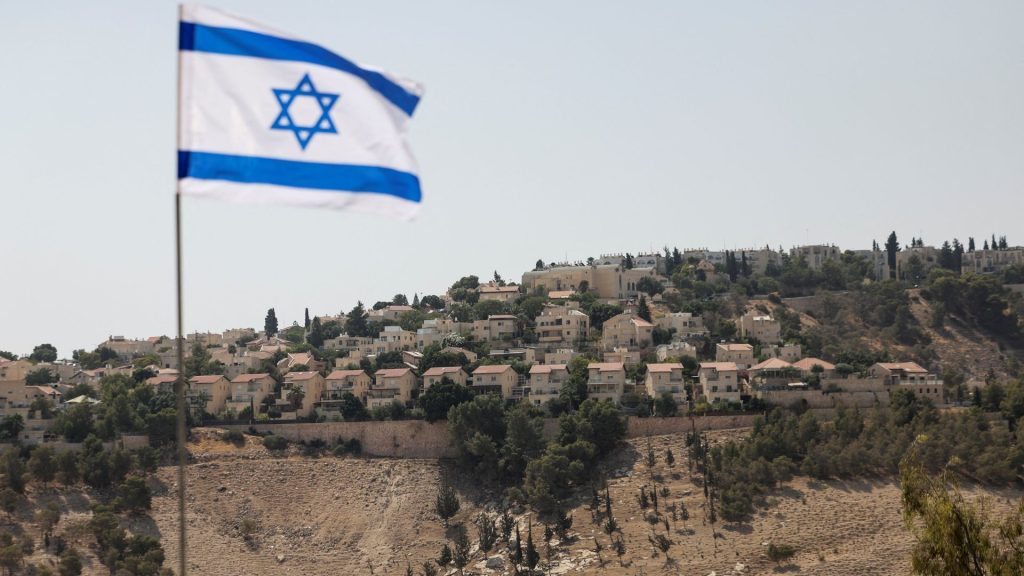
In a significant development that is drawing international scrutiny, Israel’s recent land grab in the West Bank has sparked widespread condemnation and raised questions about its implications for peace in the region. The Israeli government has announced plans to expand settlements in areas that are considered contentious under international law, a move that many believe undermines the prospects for a two-state solution.
The land grab is not only a strategic maneuver but also a reflection of the Israeli government’s long-standing policy towards the Palestinian territories. Critics argue that this expansion of settlements is a violation of international law and has severe humanitarian implications for the Palestinian population. According to reports, these actions have led to increased tensions on the ground, with protests erupting in various parts of the West Bank.
Palestinian officials have condemned the land grab, calling it an act of aggression and a violation of their rights. They argue that such moves by Israel further entrench the occupation and make a peaceful resolution to the conflict increasingly elusive. The Palestinian Authority has urged the international community to intervene and hold Israel accountable for what they describe as illegal activities.
International responses have varied, with some countries expressing strong disapproval of Israel’s actions. The United Nations has reiterated its stance that settlement expansion is against international law, while various NGOs have highlighted the adverse effects on Palestinian communities, including displacement and restricted access to resources.
Supporters of Israel argue that the land is historically significant and essential for the nation’s security. They contend that the government’s actions are necessary to protect Israeli citizens and maintain a presence in strategically important areas. However, this perspective is met with fierce criticism from those who advocate for Palestinian rights and a just resolution to the conflict.
The ramifications of this land grab extend beyond the immediate region. It poses challenges for international diplomacy, particularly for the United States, which has traditionally played a mediating role in the Israeli-Palestinian conflict. The Biden administration has expressed concerns over settlement expansion but has also been cautious in its approach, balancing support for Israel with the need for a viable peace process.
As tensions continue to rise, the future of the Israeli-Palestinian conflict remains uncertain. The recent land grab may further complicate efforts to achieve a lasting peace, as both sides grapple with a cycle of violence and retaliation. The international community is now faced with the pressing question: how to effectively address the situation and promote dialogue in a landscape increasingly marred by division and distrust.