

Arabic version: إيران تواجه مستقبلًا غير مؤكد بعد اغتيال خامنئي
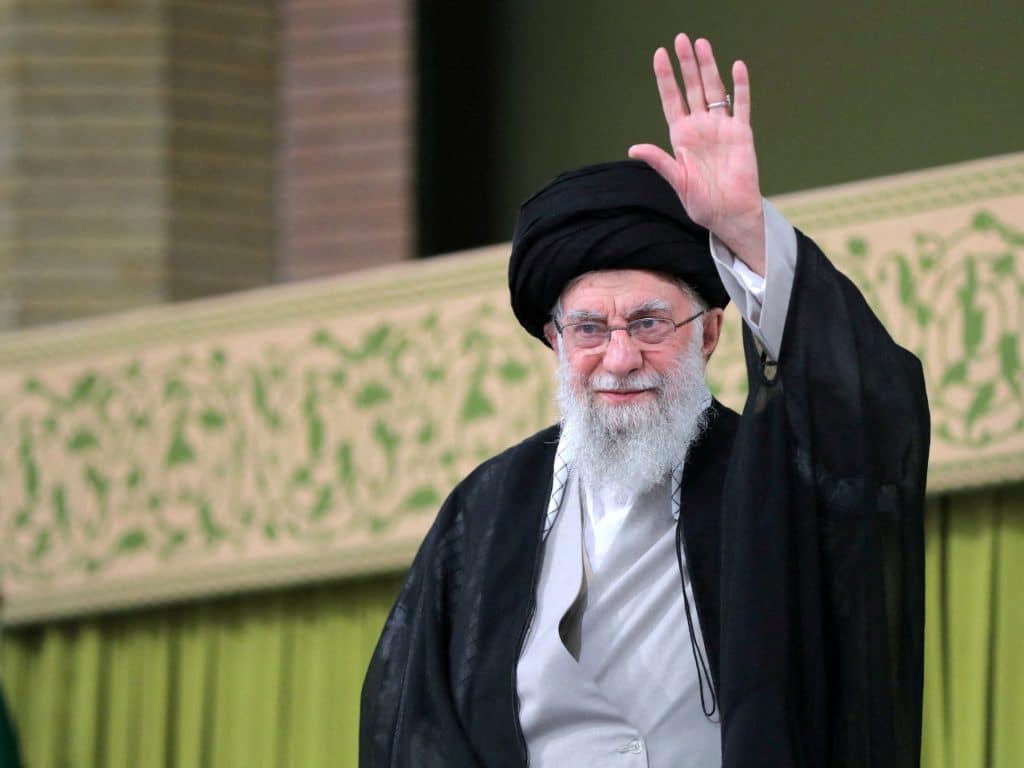
Iran’s Supreme Leader Ayatollah Ali Khamenei has been assassinated, prompting discussions about the future of the nation. According to Al Jazeera, the violent crackdown on protests in January and subsequent Western media coverage of the Iranian opposition have lowered the moral barrier for intervention. The U.S. and Israeli leaders have encouraged Iranians to rise up, celebrating the assassinations of Khamenei and other high-level Iranian officials as a significant achievement.
However, the assumption that Khamenei’s removal will lead to a swift and smooth transition is highly questionable. Historical examples from Afghanistan, Iraq, and Libya show that foreign military interventions often result in chaos rather than stability. These countries have yet to regain their pre-intervention stability levels, marked instead by ongoing volatility.
The situation in Iran is unique. Khamenei’s death may be interpreted within Shia Islam as a martyrdom, potentially rallying citizens around a narrative of national defense. This could unify various societal sectors, including those previously critical of the regime, against perceived foreign aggression.
The critical question now is whether Iran can maintain administrative cohesion and territorial integrity. The survival of the country’s bureaucratic and security institutions will be crucial. Without a strong middle class to stabilize political transitions, the power vacuum could lead to the rise of armed factions or radicalized remnants of the current regime.
Additionally, Iran’s ethnic and linguistic diversity poses risks of fragmentation in the absence of central authority. Long-standing grievances among various groups could escalate into significant conflicts, further complicating the already precarious situation following Khamenei’s assassination.