












Arabic version: إسرائيل تسعى لتغيير النظام في الصراع المستمر مع إيران
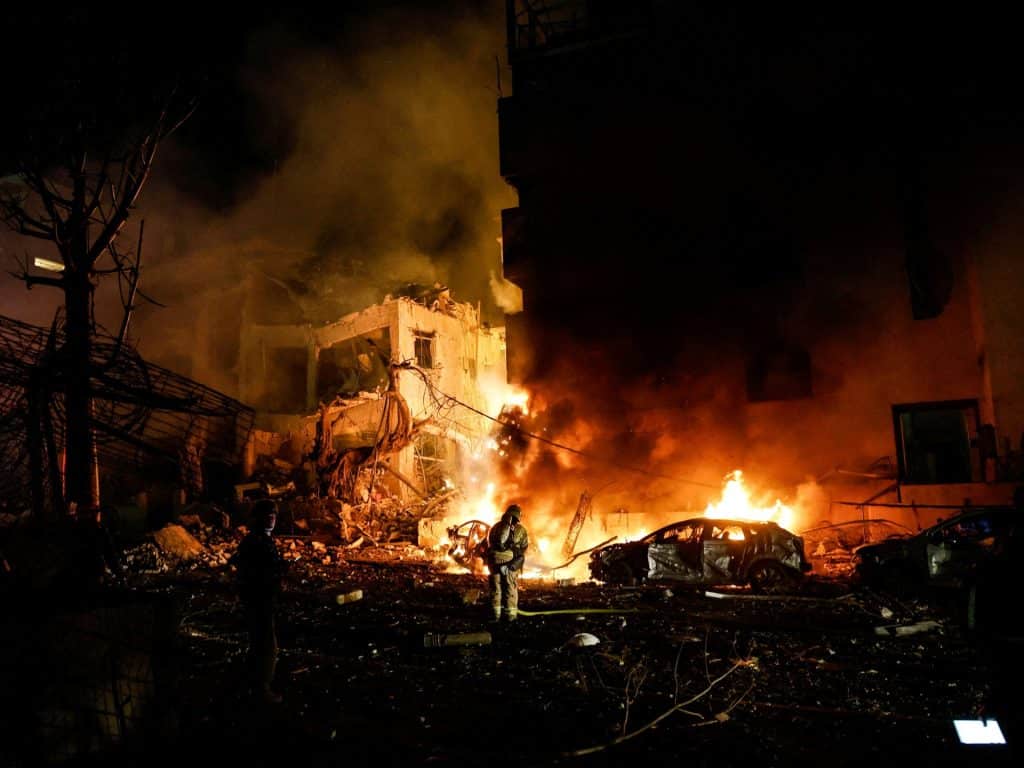
Israel’s military campaign against Iran, in collaboration with the United States, aims to facilitate regime change within the country. Following the killing of Iranian Supreme Leader Ayatollah Ali Khamenei on Saturday, Israeli Prime Minister Benjamin Netanyahu addressed the Iranian populace in Farsi, urging them to rise up and overthrow their government. This call to action was made amidst ongoing airstrikes, which have reportedly resulted in over 555 fatalities, including 180 at a girls’ school in the country’s south.
According to Al Jazeera, experts suggest that while Israeli officials may not explicitly state their goals, the underlying intention appears to be a significant shift in Iran’s political landscape. Ahron Bregman, a senior teaching fellow at King’s College London, noted a strong sentiment among Israelis, particularly those on the liberal side, who believe that toppling the Iranian regime could lead to a more stable Middle East.
However, the complexities of Iran’s political opposition present challenges. Many demonstrators are united in their opposition to the current government, but their visions for Iran’s future vary widely. Some factions call for the restoration of the monarchy, while others demand a full democracy. In contrast, there are also groups rallying in support of the government, especially in response to the ongoing airstrikes and the killing of Khamenei.
Daniel Levy, a former Israeli government adviser, expressed skepticism regarding Israel’s commitment to a smooth transition of power in Iran. He indicated that Israeli leaders may prefer a scenario where the Iranian state collapses entirely, leading to broader regional instability. This perspective raises questions about the long-term ramifications of the current military actions and the extent to which they align with Israel’s strategic interests.
Public sentiment in Israel appears to favor the military actions against Iran, with widespread agreement across the political spectrum regarding the perceived threat posed by Iran. Netanyahu’s narrative of an imminent Iranian nuclear threat has resonated with many Israelis, who now view the conflict as a necessary confrontation. Political figures from various parties have expressed their support for the military operations, reinforcing the narrative that these actions are essential for Israel’s security and future stability.
As the conflict continues, it remains uncertain how long the United States will support Israel’s military objectives, especially as international criticism mounts regarding Israel’s actions in Gaza. The dynamics of the situation may shift rapidly, influenced by both domestic and international reactions to the ongoing hostilities.