Arabic version: القوات الكردية تستعد لعمل محتمل على الأرض في إيران
According to BBC News,
For a sixth day, the US and Israel are battering targets in Iran, waging war from the air. Could there soon be boots on the ground? Maybe. But not American ones. Iranian Kurdish opposition groups in exile in northern Iraq have told the BBC they have plans to cross the border – and have had them for decades – but they flatly deny claims that their fighters have already done so.
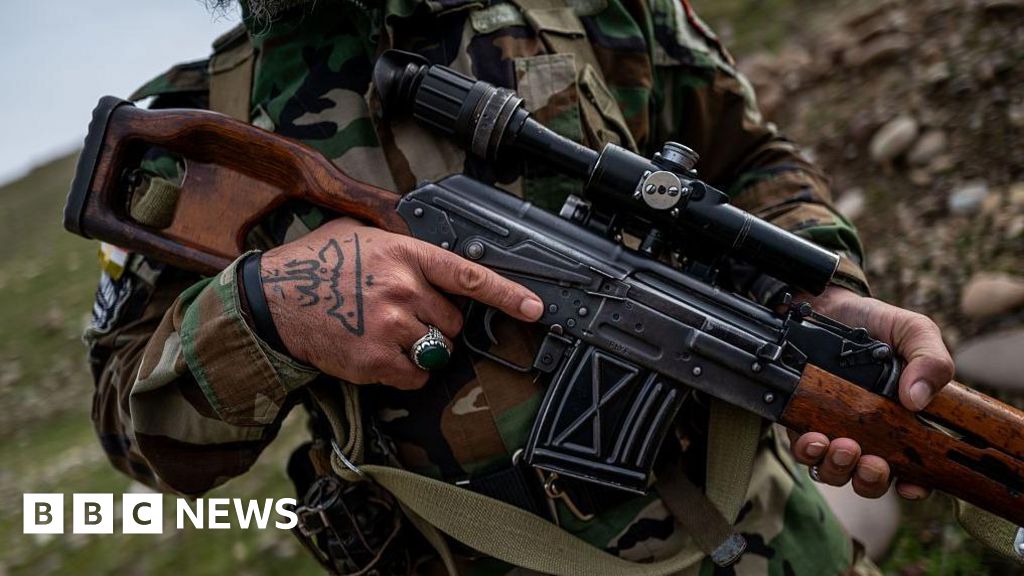
“We have been preparing for this for the past 47 years, since the age of the Islamic Republic,” said Hana Yazdanpana, of the Kurdistan Freedom Party (PAK), which claims to have the biggest armed force. But she insisted that “not a single Peshmerga has moved”. The Kurdish word peshmerga means “those who face death”.
Yazdanpana told us that six opposition groups – which recently formed a coalition – were co-ordinating with each other politically and militarily. “No-one moves alone,” she told us. “We will know if our brothers are going to move.” She does not expect fighters to advance this week. First, the US needs to pave the way. “We can’t move if the air above us is not cleaned,” she said. “And we need the regime’s weapons depots to be destroyed. Otherwise, it would be suicidal. The regime is very brutal, and the most advanced weapon we have is a Kalashnikov.”
As the situation evolves, the Kurdish opposition groups are coordinating politically and militarily in anticipation of potential action. However, they face significant risks, especially with ongoing Iranian missile strikes targeting their bases in northern Iraq. One recent attack resulted in the death of a fighter, prompting some groups to relocate their forces to minimize casualties.
Despite their long history of persecution, Kurdish leaders are cautiously optimistic about the current conflict, hoping it may provide an opportunity for change in Iran. Mustafa Mauludi of the Kurdistan Democratic Party of Iran (KDPI) expressed a desire to return home, reflecting on his family’s painful history with the regime. He believes that the ongoing conflict could benefit Kurdish aspirations.
The Kurdish population, which constitutes about 10% of Iran’s 90 million citizens, is calling for international support, particularly from the US. Abdullah Mohtadi, secretary general of the Komala Party of Iranian Kurdistan, urged the international community to back their cause, expressing disappointment with the UK’s stance on the Iranian Revolutionary Guard Corps. As tensions rise, the Iraqi government is wary of the potential fallout, stating it will not permit groups to launch attacks from its territory. The situation remains fluid as Kurdish forces weigh their options in the face of a shifting geopolitical landscape.