












Arabic version: ظهور انقسامات بين اليمين المتطرف الأوروبي حول الصراع الإيراني
According to Al Jazeera,
The US-Israeli war on Iran has exposed divisions among Europe’s far-right parties and personalities. In one camp, Atlanticists such as Nigel Farage, founder of the populist hard-right Reform UK party, support the war. In a recent post on X, he urged United Kingdom Prime Minister Keir Starmer to “back the Americans in this vital fight against Iran!” Days later, he stated that any refugees fleeing Iran “should be housed in the Middle East and not in Britain.”
Others are more sceptical. Tino Chrupalla, co-chair of Alternative for Germany (AfD), warned that US President Donald Trump was becoming a “president of war.” Markus Frohnmaier, the AfD’s lead candidate for state elections in Baden-Wurttemberg, told Welt that the war must be considered in a “nuanced way” and that it is in “Germany’s interest” not to experience “new migration flows” as a result of it.
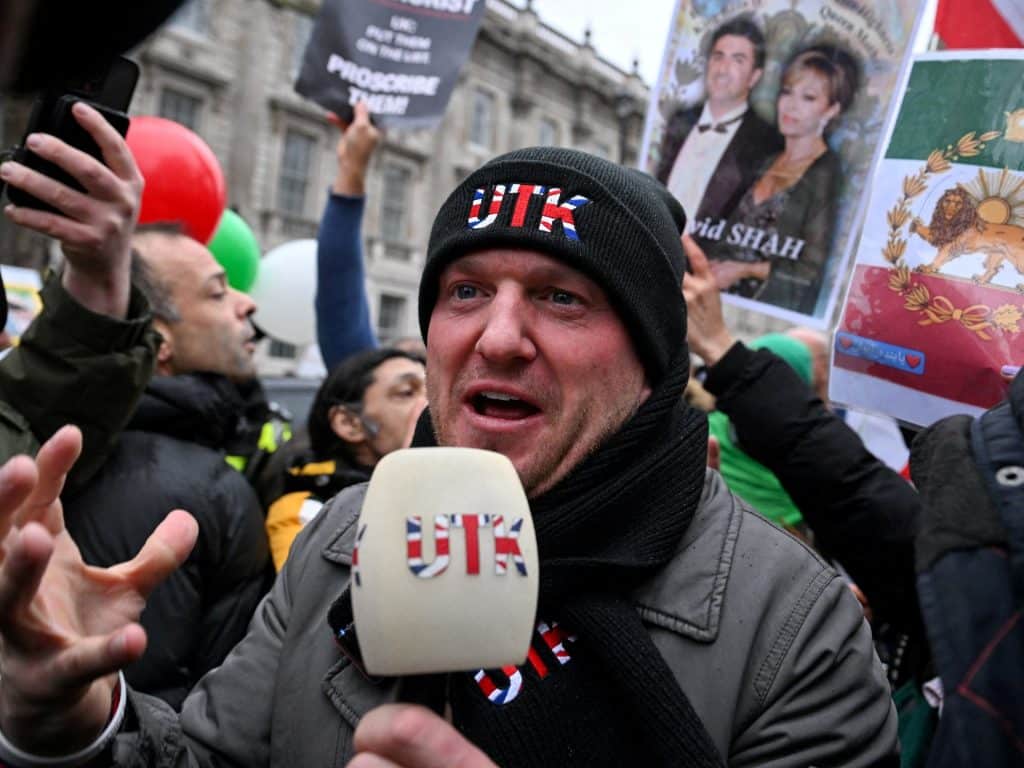
In the UK, two combative figures, Tommy Robinson and Paul Golding, are diverging over the war. Robinson, an Islamophobe and staunch supporter of Israel, has enthusiastically supported it, while Golding, leader of the far-right Britain First party, took to X to write: “Not our fight, not our war. Put Britain First.”
Marine Le Pen, leader of France’s far-right National Rally, expressed cautious support, telling French media that she found “nothing shocking” about President Emmanuel Macron’s announcement that France was sending an aircraft carrier to the Mediterranean in response to the widening conflict.
Political analysts note that these divisions underscore the paradox of the European far right, which is often perceived as united by common grievances but is deeply affected by differing national interests and historical contexts. The war in Iran has reignited previous fractures that emerged during the Ukraine conflict, illustrating that foreign policy stances are frequently influenced by geopolitical alliances.
As the conflict continues, the electoral implications for far-right parties remain uncertain. Polls indicate that while Reform UK leads in national opinion, support for the war among its voters is lukewarm. Analysts warn that an overt association with Donald Trump could pose risks for European far-right leaders as they navigate the complex political landscape shaped by the ongoing war in Iran.