












Reading in English | Read in العربية (Arabic)
An exiled South Sudanese activist has strongly criticised President Salva Kiir’s decision to reappoint Joseph Nguen Monytuil as Governor of Unity State, warning that the move risks undermining accountability, justice, and fragile peace in the region.
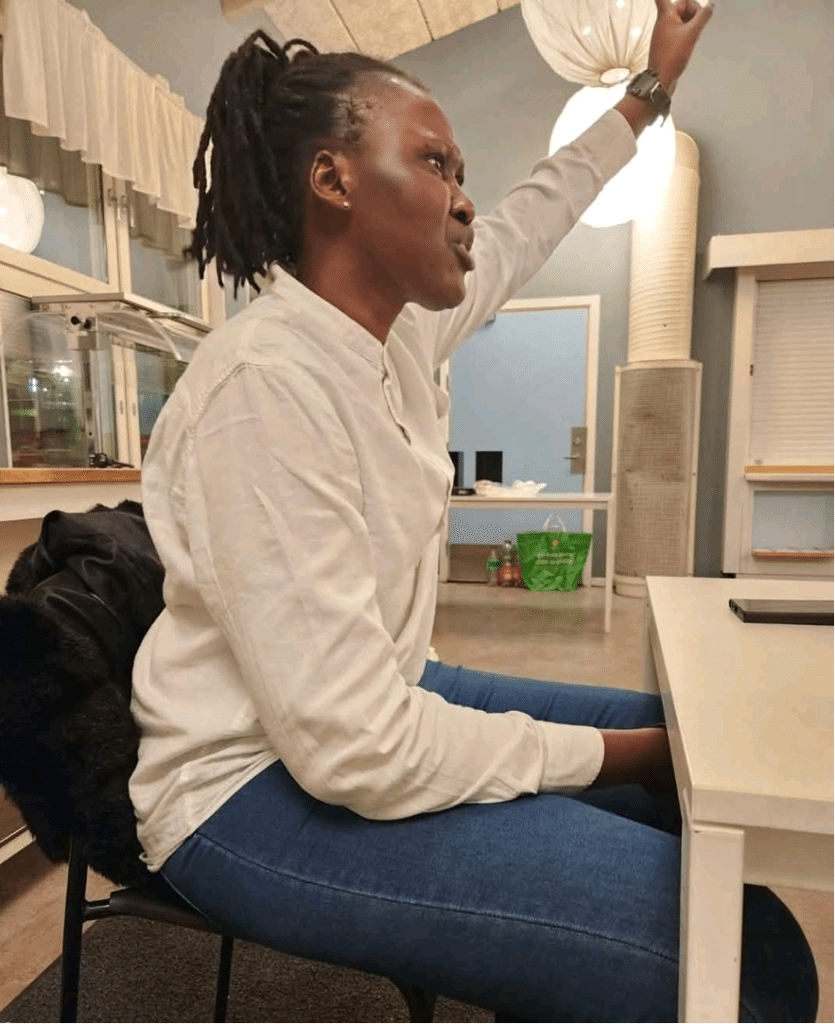
In an exclusive interview with Oz Arab Media, activist Ruth Nyaleel Kai described the decision as “deeply disappointing” and a “betrayal of public trust,” particularly for communities in Leer and across Unity State who continue to grapple with the aftermath of past violence.
Kai pointed to the 2022 Leer massacre and other reported atrocities as events that remain unresolved and deeply traumatic for local populations. She said the reappointment sends a troubling signal that allegations of human rights abuses are being overlooked.
“The people of Leer and Unity State have not forgotten what happened,” she said. “Reappointing a figure associated with such allegations creates fear and reinforces the perception that accountability does not matter.”
According to Kai, fear is already evident on the ground, with residents hesitant to rebuild homes amid concerns of renewed instability. She added that social media platforms continue to circulate testimonies and documentation of past violence, further fuelling anxiety among civilians.
The activist also raised broader concerns about governance in South Sudan, arguing that sanctions and international criticism have failed to translate into meaningful accountability. She noted that officials accused of abuses have continued to hold positions of power, which she believes undermines public confidence in state institutions.
“Citizens feel abandoned,” Kai said. “There is a growing belief that their safety and future are not being prioritised.”
Kai further warned that the reappointment could reverse recent progress in Unity State, where communities had begun rebuilding and engaging in reconciliation efforts following a period of relative calm.
“There was a sense of hope returning,” she said. “Now people fear that violence and displacement could return.”
The interview also highlighted ongoing concerns about the lack of transparency surrounding investigations into past incidents, including the 2022 Leer attacks. Kai criticised delays in releasing findings, stating that victims and their families are still waiting for answers.
“Without justice, there can be no real peace,” she said.
Humanitarian conditions in the region were also raised as a major concern. Kai pointed to the situation in Bentiu’s internally displaced persons (IDP) camps, where access to healthcare has become increasingly limited and living conditions remain difficult due to flooding and food insecurity.
She warned that leadership decisions at the state level have direct consequences for already vulnerable populations.
“These decisions are not just political—they impact lives, safety, and dignity,” she said.
Kai concluded by calling for the immediate reversal of the appointment and renewed focus on accountability, justice, and civilian protection.
“No leader accused of violence against their own people should remain in power,” she said. “The people of Unity State deserve justice, security, and a future free from fear.”
The interview adds to growing concerns among activists and observers about governance and human rights in South Sudan, as the country continues to navigate ongoing political and humanitarian challenges.