
Arabic version: احتجاز رئيس وزراء نيبال السابق بسبب عنف الاحتجاجات
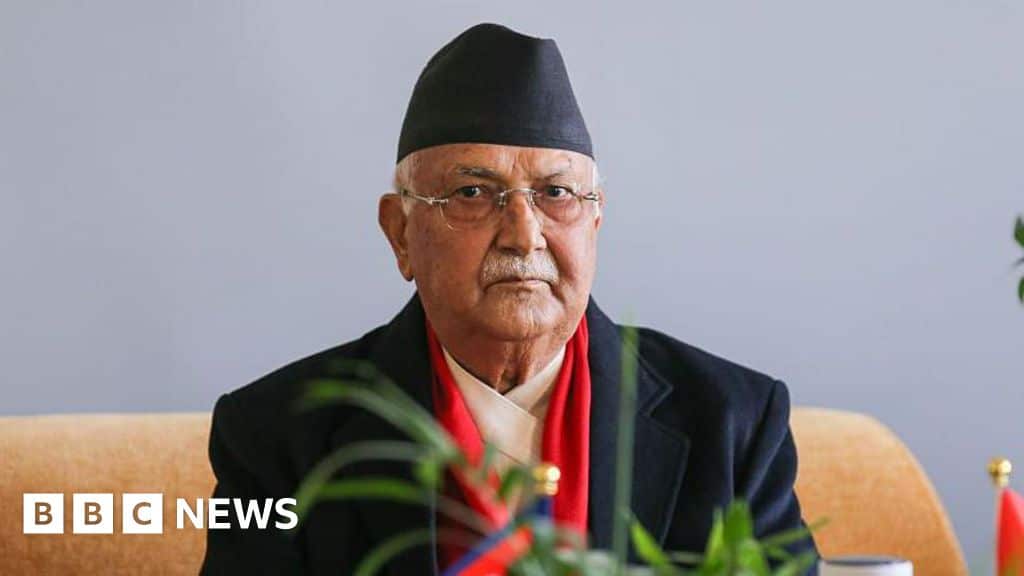
Nepal’s former prime minister KP Sharma Oli has been arrested over his alleged involvement in a deadly crackdown on protests last year. The protests, which began in September, resulted in the deaths of more than 70 individuals, many of whom were shot by police. The unrest was initially sparked by a ban on social media but was further fueled by widespread anger over corruption and poor economic conditions. According to BBC News, ex-home minister Ramesh Lekhak was also arrested on Saturday, following a recommendation from a panel investigating the violence.
The arrests come just a day after Balen Shah, a 35-year-old rapper-turned-politician, was sworn in as Nepal’s new prime minister. Kathmandu Valley police spokesman Om Adhikari confirmed that both Oli and Lekhak were taken into custody, although they have not yet been formally charged. Oli has previously rejected the findings of the commission, which he described as politically motivated, claiming they are acts of character assassination.
Oli’s lawyers argue that his detention is unwarranted, asserting that there is no risk of him fleeing or avoiding questioning. Meanwhile, new Home Minister Sudan Gurung, who played a significant role during the protests, expressed support for the arrests, stating, “No one is above the law… This is not revenge against anyone, just the beginning of justice.”
The protests, referred to as the Gen-Z protests, were marked by significant violence, including the deaths of at least 19 people on September 8, when demonstrators took to the streets in response to the government’s social media shutdown. The unrest highlighted widespread frustrations over high unemployment, a stagnant economy, and rampant corruption within the political system. Families of 76 people who died have been calling for officials to be held accountable in the months since.
Oli resigned from his position on September 9 but later contested the election held on March 5. His party faced a significant defeat as the Rastriya Swatantra Party won in a landslide, marking a notable shift in Nepal’s political landscape, where single-party majorities have been rare in recent decades.