










Reading in English | Read in العربية (Arabic)
*In addition to the staggering number of losses and injuries, delays and disruptions in supply operations are putting children around the world at risk.*
**New York, March 30, 2026** – More than a month after the escalation of military conflict in the Middle East, the ongoing dispute continues to inflict severe harm on children throughout the region. Reports indicate that 340 children have been killed and thousands more have been injured. This includes the deaths of 216 children and injuries to 1,767 children in Iran, 124 children killed and 413 injured in Lebanon, 4 children killed and 862 injured in Israel, one child killed in Kuwait, 4 children injured in Bahrain, and one child injured in Jordan. The event that resulted in the highest number of child casualties occurred on the first day of the war when a missile strike hit a school in Iran, resulting in the deaths of 168 girls.
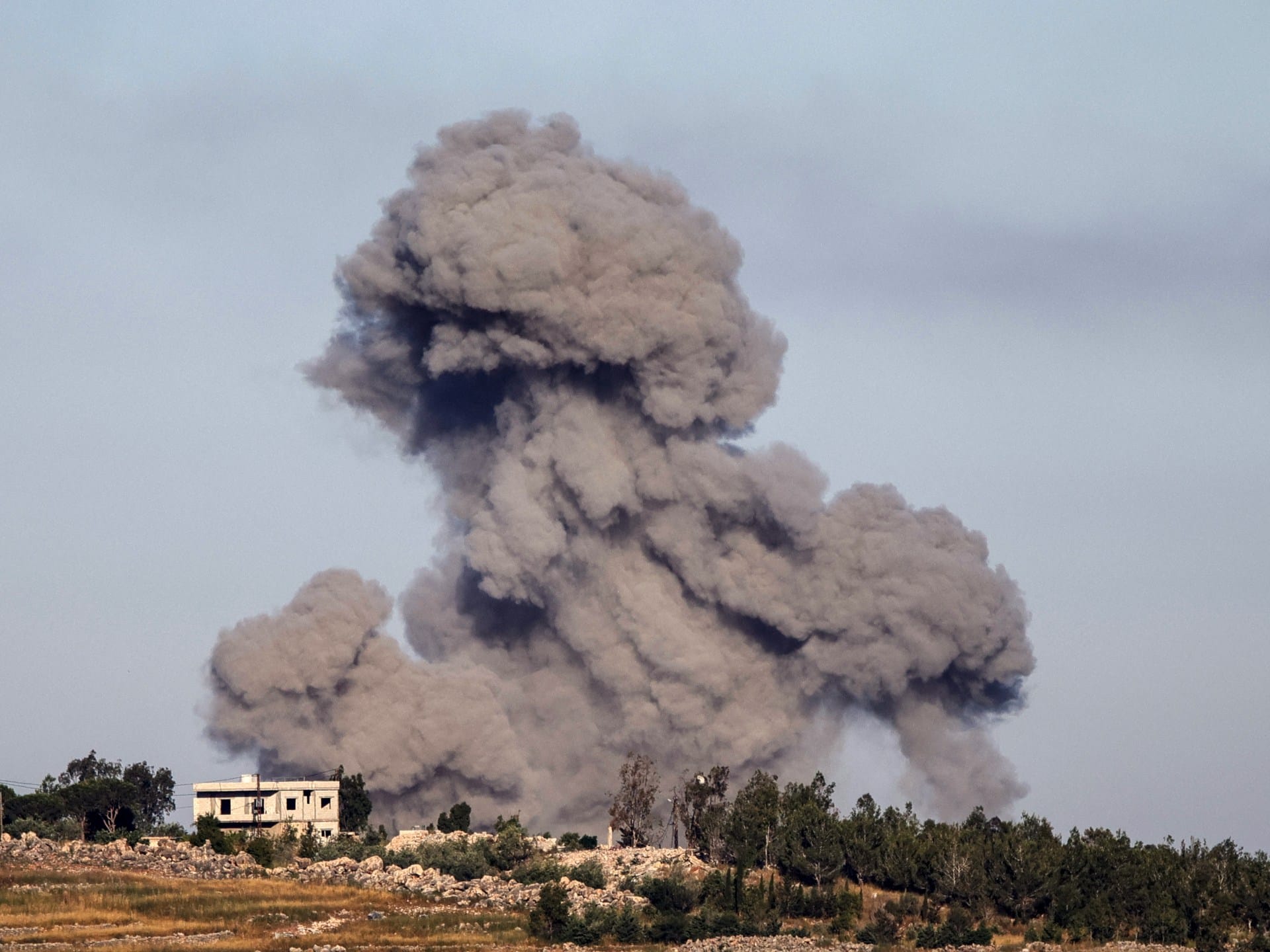
The relentless attacks by various parties involved in the conflict across multiple countries are destroying or damaging the facilities and infrastructure that children depend on—such as hospitals, schools, and water and sanitation systems.
Ongoing violence in Palestine, including Gaza and the West Bank, during the same period has led to the deaths of 16 Palestinian children and injuries to more than 50 others.
UNICEF Executive Director Catherine Russell stated, “Children in the region are experiencing horrific violence, while the systems and services designed to keep them safe are under continuous attack. Urgent action must be taken by all parties to the conflict to protect civilian lives and uphold children’s rights.”
More than 1.2 million children have been displaced throughout the region due to bombardments and evacuation orders, which have emptied entire local communities. These disruptions are often accompanied by exposure to traumatic events and the loss of everything that previously made children feel safe. It is well known that prolonged exposure to violence and instability can lead to lasting effects on brain development, emotional regulation, and long-term mental health issues.
The ongoing hostilities are steadily affecting children in the Middle East and beyond. UNICEF estimates that disruptions in procurement, production, and transportation caused by the conflicts could lead to delays of up to six months in delivering vital supplies to countries around the world. A projected 20 percent increase in global oil prices may raise the costs of manufacturing critical necessities, including vaccines and food products, in addition to transportation costs. Moreover, logistical challenges such as port congestion and extended shipping routes are exacerbating these issues, with rerouted maritime paths causing delays of up to four weeks in transportation times.
In response to global disruptions in supply chains, UNICEF is maintaining a steady flow of vital supplies for children worldwide by activating alternative air, land, and sea routes, diversifying sources of life-saving supplies, and expediting procurement processes to reduce supply timelines. Additionally, UNICEF is negotiating with transport companies to establish caps on excessively high surcharges, prioritizing humanitarian goods, and ensuring that affected areas continue to receive essential support relied upon by children.
In Iran, at the request of the Ministry of Health, UNICEF is deploying pre-prepared health supplies, including mobile health units, tents for basic healthcare services, and emergency health supplies, to restore access to essential services for an estimated 226,000 people in affected areas. This support includes providing vaccines, additional supplies for basic healthcare, and mental health services to children, adolescents, and local communities.
Similarly, UNICEF has expanded its emergency response in Lebanon amid increasing challenges to provide urgent humanitarian assistance to children and families. This includes reaching the most vulnerable displaced individuals in collective shelters, host communities, and hard-to-reach areas. In collaboration with its partners, UNICEF has enhanced health services to support displaced families by providing integrated response packages—including vaccines, newborn and child care, and intensive healthcare services—across more than 290 shelters, benefiting over 480,000 people in host communities. Furthermore, UNICEF has rehabilitated 20 water and sanitation service systems throughout the country, restoring reliable water and sanitation services for more than 1.2 million people.
UNICEF reiterates the UN Secretary-General’s calls for an immediate cessation of hostilities and a serious de-escalation. All parties must exercise maximum restraint. Under international humanitarian law, civilians, particularly children, and civilian objects must be protected at all times.