












Arabic version: المحكمة العليا متشككة في تحدي ترامب لحق المواطنة بالولادة
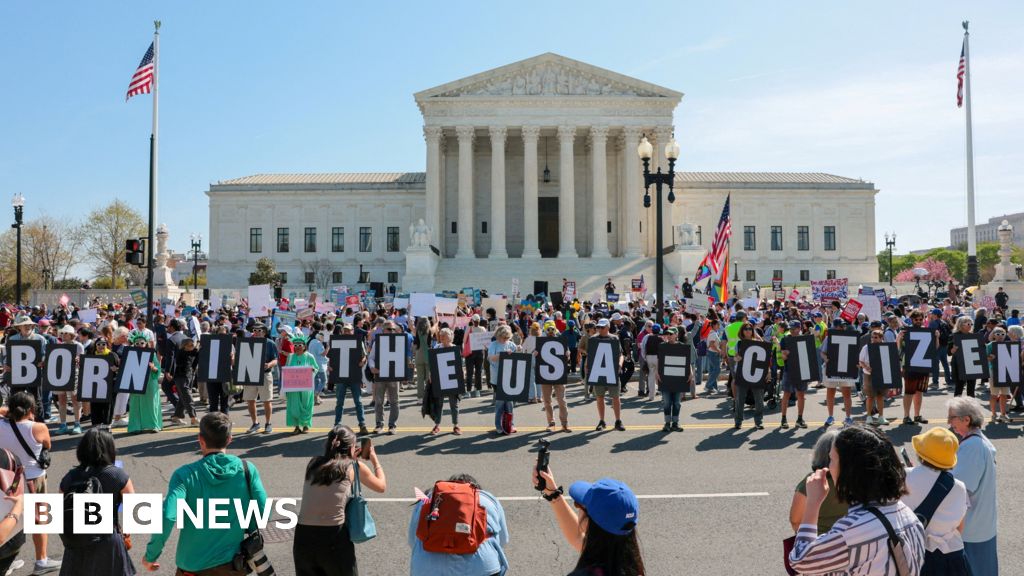
The U.S. Supreme Court appeared sceptical of President Donald Trump’s executive order limiting birthright citizenship during oral arguments on Wednesday. Justices seemed unconvinced that the U.S. should stop granting citizenship to children of undocumented immigrants and some temporary U.S. visitors, a key element of Trump’s immigration agenda.
According to BBC News, the administration has argued that limiting birthright citizenship is necessary to rein in illegal immigration. Opponents argue it would upend more than a century of precedent and unravel a cornerstone of U.S. immigration law.
During the proceedings, U.S. Solicitor General John Sauer sought to convince the justices that the 14th Amendment, which establishes birthright citizenship, and subsequent court rulings and laws passed by Congress all mistakenly expanded birthright citizenship. Chief Justice John Roberts questioned the administration’s authority to exclude children of undocumented immigrants from receiving U.S. citizenship, indicating doubts about the proposed legal interpretation.
Justice Elena Kagan pointed out that the administration’s approach seeks to undo a legal tradition of birthright citizenship that dates back to English common law. The justices also referenced the landmark 1898 ruling in United States v. Wong Kim Ark, which upheld birthright citizenship for children born in the U.S. to immigrant parents.
The court is expected to issue its decision in June. It would be the first major immigration case decided by the court on its merits since Trump started his second term. A ruling against Trump would mark a second straight setback for his immigration efforts, while a victory would help Trump deliver on his pledge to reshape America’s immigration policies.