












Arabic version: الاتحاد الأوروبي يطلق نظام سفر جديد لغير المواطنين
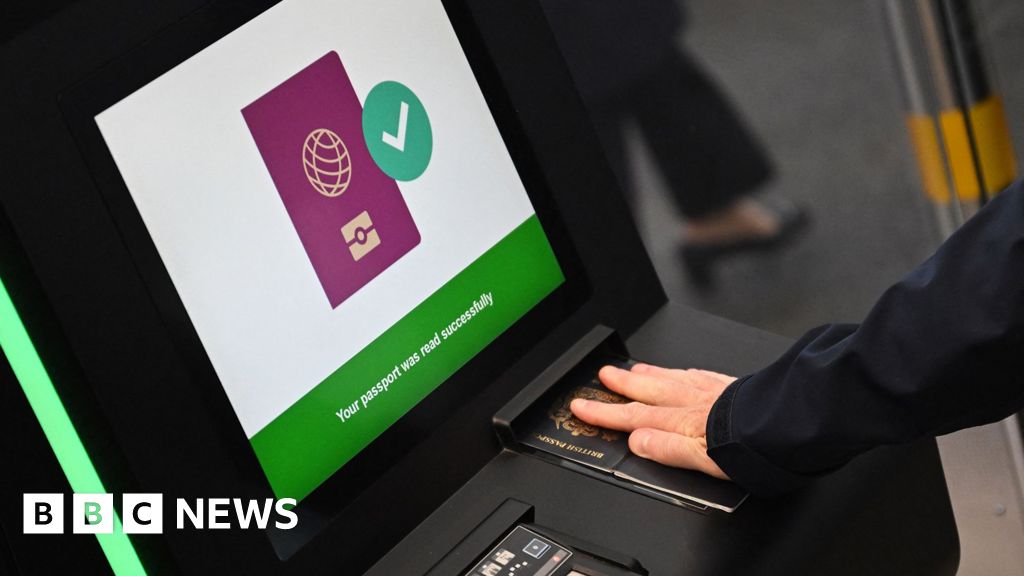
The European Union’s new digital border system, known as the Entry/Exit System (EES), is set to become fully operational, requiring non-EU citizens to provide fingerprints and photos alongside their passport scans at Schengen border crossings. This mandatory system will be implemented across all 29 participating countries starting Friday.
According to BBC News, the EES aims to enhance security and streamline travel for non-EU visitors, including those from the UK. While the system began its gradual rollout on 12 October, not all airports will implement it simultaneously, which may lead to delays and long queues at busy travel points.
Travelers will need to register their biometric information during their first encounter with the EES, which will replace the traditional passport stamping process. This new requirement will apply at various entry points, including airports and the Eurotunnel, with specific procedures varying by location.
Long delays have already been reported at some airports, particularly during peak travel times. The European Commission has allowed for the temporary suspension of EES checks to alleviate congestion until September, acknowledging potential challenges in implementing the new system during busy holiday periods.
In addition to the EES, the EU plans to introduce the European Travel Information and Authorisation System (ETIAS) by the end of 2026, which will require online authorization for non-EU citizens traveling to the EU. This will further build on the security measures initiated by the EES, ensuring a comprehensive approach to border management.