














Arabic version: رحلة منطقة بيك إلى أن تصبح حديقة وطنية
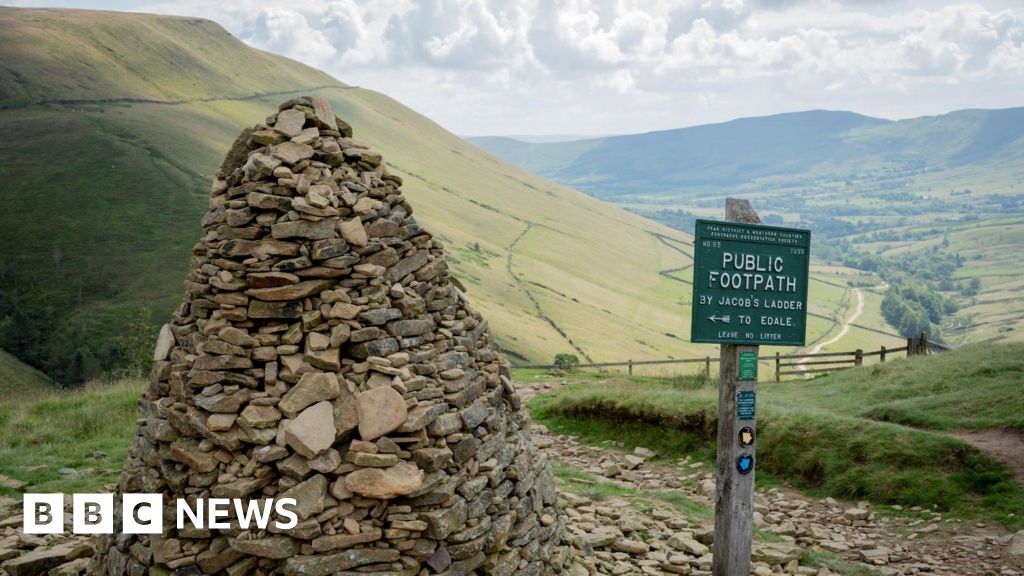
The Peak District became the UK’s first national park on April 17, 1951, but the area has been attracting visitors for much longer. One of the oldest tourist attractions is the Devil’s Arse, a cave in Castleton known for its unique name and sounds reminiscent of flatulence. According to BBC News, the cave has been a tourist draw for centuries, despite its name changes over the years due to societal norms.
Tourism in the Peak District surged in the 19th century with the advent of railways, particularly the line connecting Manchester and Sheffield, which opened in 1894. This development allowed city dwellers easy access to the scenic landscapes of the Peak District, making it a popular day-trip destination. However, access to many areas was limited due to private ownership, leading to significant events like the 1932 mass trespass of Kinder Scout, where hundreds protested for the right to roam.
The Kinder Scout trespass was a crucial moment in the fight for public access to the countryside, highlighting the growing demand for national parks. Various groups began advocating for greater access to nature, inspired by similar movements in the United States. The momentum for national parks gained speed in the late 1930s and into the 1940s, culminating in the National Parks and Access to the Countryside Act of 1949, which aimed to establish protected areas in the UK.
On April 17, 1951, the Peak District was officially designated as the first national park, followed by others such as the Lake District on May 9 and Snowdonia on October 18 that same year. The 1949 Act set forth the goals of conserving natural beauty and promoting public enjoyment of these special areas, though it did not immediately grant the public unrestricted access to all lands.
Further legislation in 2000 expanded public access, allowing greater freedom for walking and exploring the countryside. The National Trust has played a significant role in managing and protecting land within the Peak District, ensuring that these natural spaces remain available for public enjoyment. Today, the park is a cherished destination for outdoor enthusiasts, showcasing its historical significance and natural beauty.