Arabic version: الإمارات العربية المتحدة تغادر أوبك، مما يشير إلى تحول في ديناميات النفط العالمية
The United Arab Emirates (UAE) is quitting the Opec and Opec+ groups of major oil producing nations next month after nearly 60 years of membership. The UAE said its decision would help it meet growing global energy demand in the long term after recent investments to boost its production capacity. It is seen as a blow to the cartel, with one analyst describing the exit as “the beginning of the end of Opec”.
According to BBC News, the UAE’s energy minister indicated that leaving Opec would provide the country with greater flexibility in its oil production strategies. The UAE joined Opec in 1967, and its exit will reduce the cartel’s membership to 11 countries, alongside 10 non-Opec members in the broader Opec+ alliance.
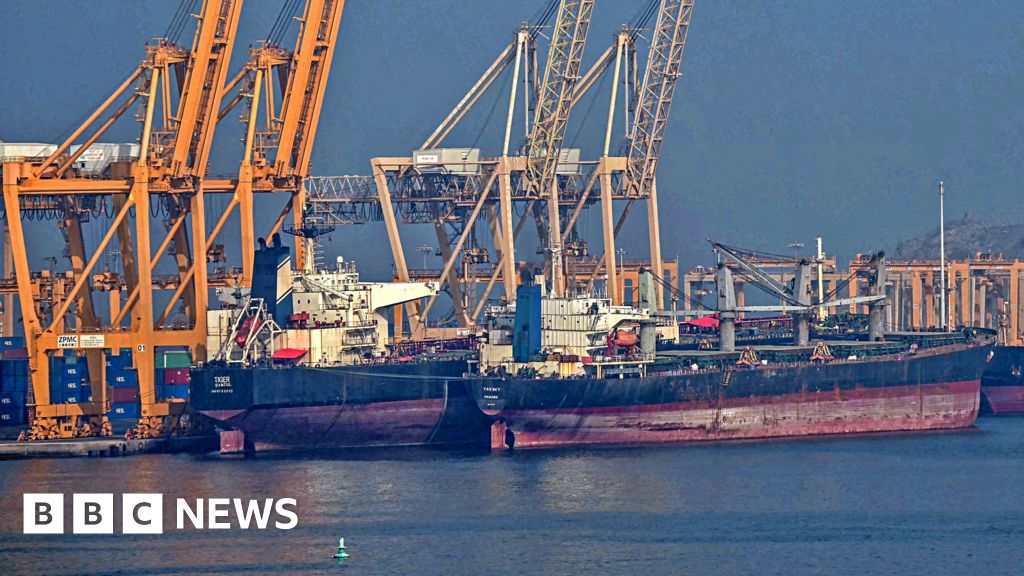
The decision came as the World Bank warned the war in the Middle East has caused the biggest loss of oil supply on record. Energy prices will rise by about a quarter on average as a result this year, it said, while it could take six months for shipping through the key Strait of Hormuz to return to pre-war levels. The poorest people, who spend the highest share of their income on food and fuels, will be hit the hardest, said the World Bank’s chief economist Indermit Gill.
The UAE’s decision to leave Opec will not have an immediate impact on global energy supply, due to the ongoing closure of the Strait of Hormuz, but could lead to a longer-term boost in output. The country has invested heavily in boosting its production capacity and has wanted for a long time to pump more oil, economists said. David Oxley, chief climate and commodities economist at Capital Economics, said its departure could lead to lower oil prices but higher volatility on the market in the coming decades.
The implications of the UAE’s exit extend beyond its own borders, potentially affecting Opec’s cohesion. Saudi Arabia, as the leading member, may face challenges in maintaining unity among the remaining members. Observers note that if other countries follow the UAE’s lead, it could fundamentally reshape the geopolitical landscape of the Middle East and the global oil market.