













Reading in English | Read in العربية (Arabic)
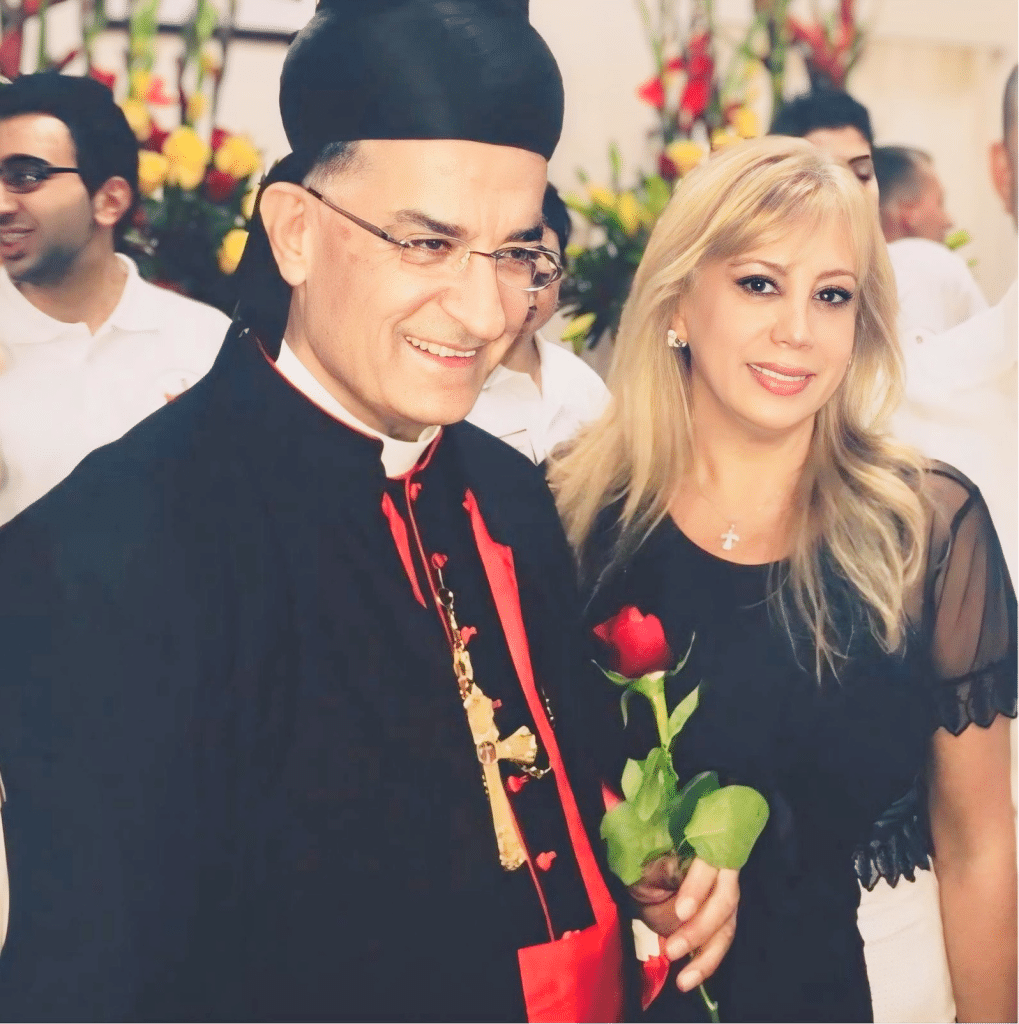
The exposure to and denigration of His Beatitude Patriarch Mar Bechara Boutros Al-Rahi is a disgraceful and shameful act that reflects an unacceptable moral decline. Such behavior is condemned by all ethical, spiritual, and national standards. It does not only affect his esteemed person but also transcends the spiritual-religious dimension of Maronite identity, embodying a history of a mission deeply rooted in Lebanon, which is open to its Arab and global surroundings across various religions, carrying human values and national symbols that reflect Lebanon’s civilizational face. Moreover, it represents a solid religious edifice based on love, coexistence, and the preservation of human dignity.
The dignity of the Maronite Patriarch is a red line; any insult directed at him is not just an affront to his person but affects an entire community, undermining the very foundations of coexistence that lie at the heart of this nation. Provocation does not build a homeland, and igniting strife only breeds destruction. Mutual respect is the only path to genuine stability. At this critical juncture in Lebanon’s history, we can no longer afford further disturbances or adventures of discord; instead, we need collective wisdom that promotes dialogue and fortifies national unity. Therefore, it is essential to curb this dangerous outburst and put an end to the transgressions and insults directed at spiritual leaders, which sow hatred and fuel division, exacerbating tensions.
Attacking this revered spiritual figure is a dangerous moral collapse in both discourse and behavior, as well as an infringement on a religious and national symbol that has long served as a safeguard against divisions and a beacon calling for peace, neutrality, and the cessation of wars. The Maronite Patriarchate has never been a party in a conflict; it has always been the voice of conscience, the faithful guardian of Lebanese national constants, and the one striving to unite hearts rather than divide them. Christian spiritual leaders consistently emphasize in their sermons the necessity of protecting Lebanon and safeguarding its borders, alongside fostering a culture of coming together and openness among all, enhancing harmony, familiarity, and national unity among community components, ultimately contributing to the establishment of stability and strengthening social cohesiveness. A prime example of this is the reception of southern Shiite displaced individuals in Christian regions during times of crises and wars.
Any attack on the patriarchal seat stems from ignorance about the history of this institution and its significance. The Maronite Patriarchate is not merely a religious authority but a national pillar of the Lebanese entity. It is the institution that established and laid the groundwork for modern Lebanon in its current form. Any affront to it is an affront to the national memory and collective identity.
Those who insult the patriarchal seat are often ignorant and uninformed about the rich history of this institution because their leaders do not teach Lebanon’s history in their curricula and schools. They should understand that the patriarchal institution played a fundamental role in the emergence of this entity and was pivotal in the establishment of Greater Lebanon as a diverse state. Patriarch Elias Boutros El-Houqi was a key figure in its founding and participated in delineating the boundaries of Greater Lebanon in 1920. Nevertheless, he rejected the French proposal to annex the Valley of the Christians, Saidnaya, and Maaloula (currently in Syria), opposing the idea of a “small Christian Lebanon.” Instead, he preferred to annex Jabal Amel (currently the south) with its Shiite majority and the Bekaa Valley to establish a broader and more diverse “Greater Lebanon,” which contributed to the delineation of Lebanon’s current borders.
Instead of being met with gratitude for its historical role, the patriarchate is now faced with campaigns of attack and insult. It is very unfortunate that those who benefited from this historical and national decision are the same ones who now disrespect this position, slipping into a level of insult and distortion instead of grounding their actions in a precise understanding of history, which reflects a kind of contradiction and ingratitude. Had Patriarch El-Houqi not advocated for the inclusion of the south into Greater Lebanon, Jabal Amel, adjacent to the Golan Heights, might have leaned towards joining Syria (according to the desires of Shiites at the time), and would have faced the same fate, falling under Israeli occupation. Furthermore, they would have become a very limited minority in the social fabric of Syria, marginalized in presence and influence.
Preserving spiritual and national dignities is an integral part of protecting the entity, and it is a shared responsibility that falls on everyone. Words, if they are not bridges for connection, can turn into tools for destruction and division. Therefore, elevate your discourse and maintain the dignity and sanctity of spiritual positions, as this preserves our unity, safeguards our message, and upholds the belief that a nation can only thrive if values prevail and respect for the other is achieved despite differences in thought and religion.
Bkerke will remain a steadfast national fortress, impervious to attack, guarding the Cedars of God, and a firm authority that will not be broken, regardless of the intensity of campaigns against it, for it is deeply rooted in history. From Bkerke, Lebanon’s glory rises, and its identity remains protected from collapse!