












Arabic version: قادة آسيان يتناولون أزمة الطاقة الناتجة عن النزاع الإيراني في سيبو
According to Al Jazeera,
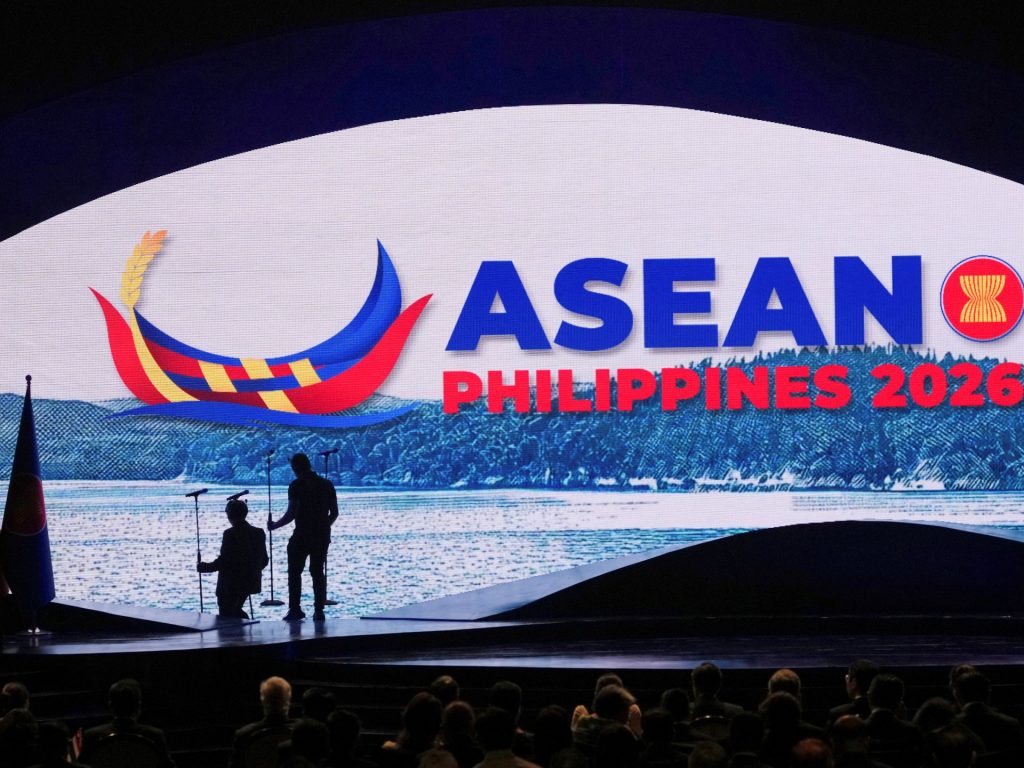
Southeast Asian leaders have gathered in the Philippines to coordinate a joint response to the fallout from the war on Iran, which has prompted a surge in energy prices across the region. Speaking at the opening of the gathering of the Association of Southeast Asian Nations (ASEAN) on May 8, 2026, Philippine President Ferdinand Marcos Jr. emphasized the need for ASEAN to enhance coordination and implement practical measures to ensure energy stability and improve interconnectivity. He noted that the conflict has adversely affected living costs and threatened livelihoods in both Southeast Asia and among nationals in the Middle East.
The region has been particularly impacted by Iran’s effective shutdown of the Strait of Hormuz, which has blocked a large portion of its oil and natural gas supply. In response, ASEAN, which consists of 11 member nations, is expected to issue a joint statement advocating for the reopening of the strait and improved crisis communication among member states. This statement is anticipated to address energy and food security cooperation among ASEAN countries.
The Philippines has proposed a voluntary energy-sharing agreement to mitigate the supply disruptions caused by the Iran war and has called for the establishment of an ASEAN power grid to integrate electricity networks by 2045. In March, Manila declared a national emergency due to energy shortages linked to the war, prompting several countries, including Thailand, Vietnam, Indonesia, and Malaysia, to implement energy-saving measures.
Experts believe that the summit may yield more substantial outcomes than usual, with a focus on enhancing economic cooperation within ASEAN and with other regional partners. The joint statement is also expected to reaffirm the importance of international law, national sovereignty, and freedom of navigation, particularly in light of ongoing territorial disputes in the South China Sea.
Despite criticism regarding its limited influence, ASEAN continues to navigate complex geopolitical challenges. Recent military drills by both China and the United States in the South China Sea have underscored the region’s strategic significance, as member states seek to balance their interests amid overlapping territorial claims.