













Arabic version: جامعة ولاية أوهايو تواجه أزمة بسبب الفضائح والضغوط المالية
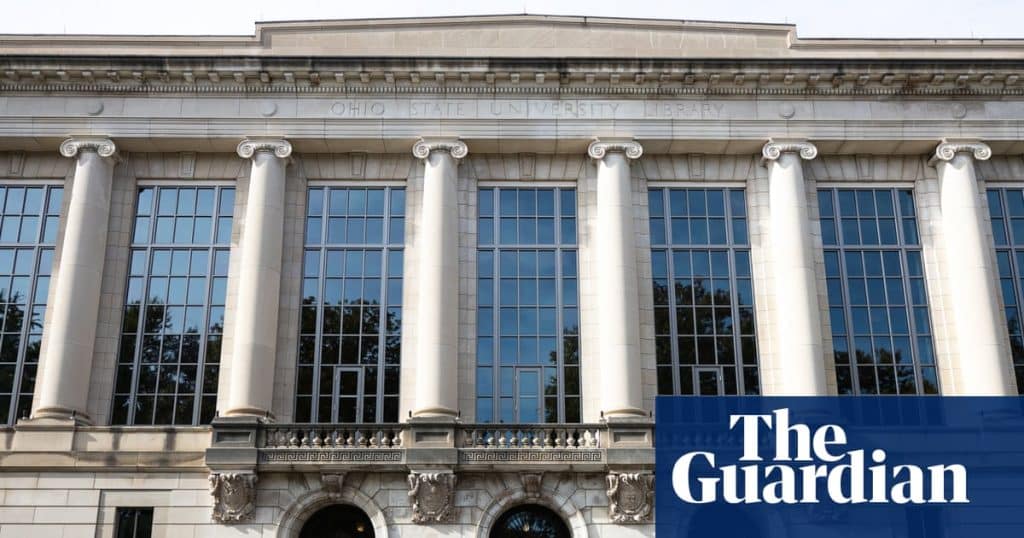
Ohio State University is currently embroiled in multiple scandals that have raised serious concerns about its leadership and financial stability. The university is grappling with allegations of sexual abuse and the questionable influence of donors, compounding existing pressures faced by higher education institutions.
According to The Guardian, the situation worsened when university president Walter ‘Ted’ Carter Jr. resigned after it emerged he used public funds to help Krisanthe Vlachos, with whom he was having an inappropriate relationship, to build her podcasting business. This incident adds to a series of controversies, including the ongoing fallout from the sexual abuse scandal involving former athletic department physician Dr. Richard Strauss, who is believed to have abused hundreds of student athletes over decades.
The university has settled with victims of the Strauss abuse, with payouts reaching $61 million. Recently, 30 former football players represented by Rocky Ratliff were added to a federal lawsuit against Ohio State, potentially costing the university tens of millions more. The institution is now on its fourth president in six years, reflecting instability at the top.
In addition to the scandals, the university faces significant financial challenges. Declining enrollment numbers, exacerbated by a decrease in the national birthrate and restrictions on international students, have put pressure on the university’s revenue. Ohio State contributes approximately $19 billion to the state economy and supports over 117,000 jobs, yet it is navigating a turbulent period.
Calls for the removal of donor Les Wexner’s name from campus buildings have also intensified, as his past connections to Jeffrey Epstein have raised ethical questions. Despite the controversies, university officials highlight the institution’s research achievements and ongoing contributions to higher education, noting that it was recently ranked as the fifth best public university in America. However, faculty members express concerns about academic freedom and the impact of funding cuts on educational programs.