











Arabic version: الولايات المتحدة تفرض تعريفات جديدة تستهدف الدول التي تعاني من قضايا العمل القسري
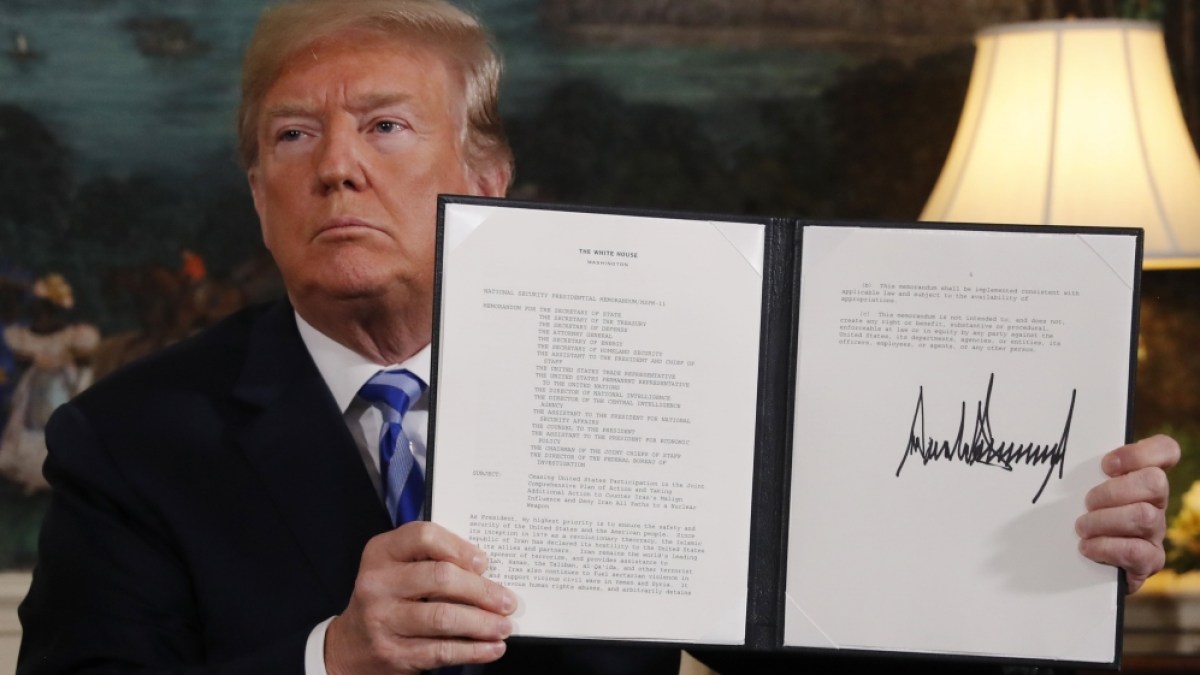
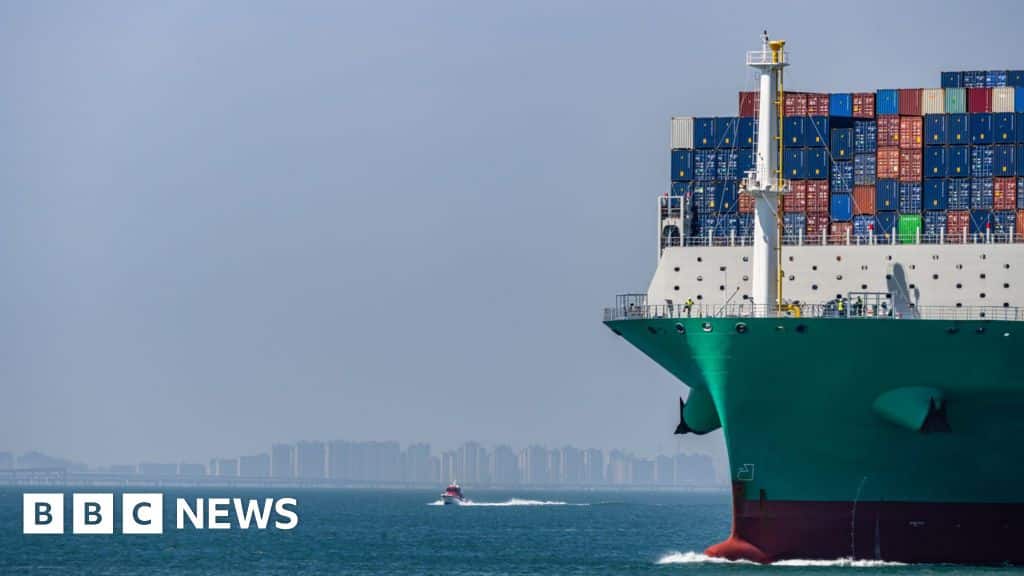
The United States has announced new tariffs of 10-12.5% on dozens of countries due to concerns over their insufficient actions against forced labour. This move marks the second time the Trump administration has introduced new import taxes following the US Supreme Court’s decision to invalidate many previous duties in February. According to BBC News, the US Trade Department identified 60 trading partners that will be subjected to these tariffs because of their failure to adequately address the importation of goods produced through forced labour.
Countries such as the UK, the EU, Canada, India, and Japan are included in the list of those facing these tariffs, which collectively represent almost all of the goods sold to the US. The US government argues that trading with nations that allow the importation of forced labour goods creates an unfair competitive environment for American workers. US Trade Representative Jamieson Greer emphasized that this practice results in American workers competing on an unlevel playing field.
The tariffs have not yet been enforced, as the Trump administration must navigate a procedural process to implement them. The proposed tariffs follow an investigation that began in March, which concluded that 54 of the identified countries had not imposed legal prohibitions against the importation of forced labour goods and had failed to enforce any such prohibitions effectively. Additionally, six other trading partners, including Canada and the EU, were found to have inadequately enforced existing prohibitions.
The US plans to impose 10% tariffs on imports from Canada, the EU, and several other countries, while the remaining 45 countries, including China and India, will face 12.5% duties. In response, China has denied the existence of forced labour within its borders and criticized the unilateral imposition of tariffs. The EU has also stated that it considers the tariffs unjustified but remains committed to the trade agreement established with the Trump administration last year.
Experts, such as Ajay Srivastava from the Global Trade Research Initiative, suggest that India should challenge the legal basis for these tariffs, asserting that they stretch the scope of US trade laws inappropriately. Srivastava also indicated that India may need to reconsider its participation in bilateral trade agreements in light of these developments.