












Arabic version: إيران والولايات المتحدة توقعان مذكرة تفاهم، والمواطنون يعبرون عن ردود فعل مختلطة
Tehran, Iran – The memorandum of understanding (MoU) signed between Iran and the United States has survived its first few rocky days, producing a roadmap to a potential long-term resolution of the war launched by the US and Israel nearly four months ago. Months of tough political and technical discussions still lie ahead, however, and while Iranians are watching closely, optimism remains checked. According to Al Jazeera, citizens are cautiously optimistic about the agreement.
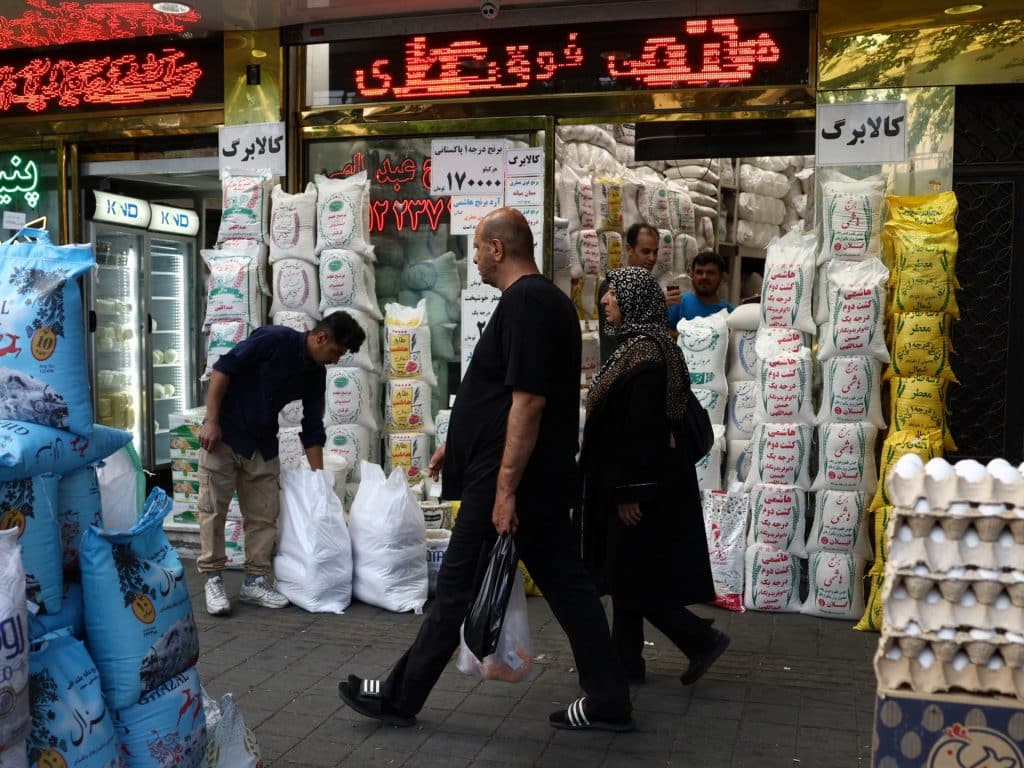
Ehsan, a resident of central Tehran, expressed a mixed sentiment, noting, “We got from daily bombing to talking about buying corn from the US. So, that’s a good change, but our quality of life is still getting worse by the day.” He was referring to news that Iran will be able to buy humanitarian goods, including food and medicine, by using some of its own funds frozen abroad that are ostensibly to be released as part of the agreement, but the text of the agreement does not oblige it to do so.
Iran’s central bank Governor Abdolnaser Hemmati stated that Tehran could buy agricultural products from the US if prices and quality are agreeable. The US Treasury has issued a general license allowing the production and sale of Iranian crude oil and petrochemical products until August 21, facilitating more straightforward transactions and potentially increasing revenue for the Iranian economy.
Despite these developments, the impact on the Iranian populace may not be immediate, as they continue to face significant inflation, particularly for essential goods. The national currency had strengthened to a rate of 1.53 million rials against the US dollar by mid-June, while it was at a low of about 1.9 million in early May. Many citizens remain skeptical about the long-term benefits of the agreement.
Discontent is also brewing among hardliners in Iran, who are planning protests against what they perceive as concessions to the US. More than 50 hardliners in parliament have expressed their anger, citing a need for a stronger stance against Washington. Meanwhile, government officials maintain that negotiations are being conducted from a position of strength, emphasizing a principle of “commitment for commitment.”