











Arabic version: توقف شحنات لحم البقر الأسترالي بسبب مخزونات الصين
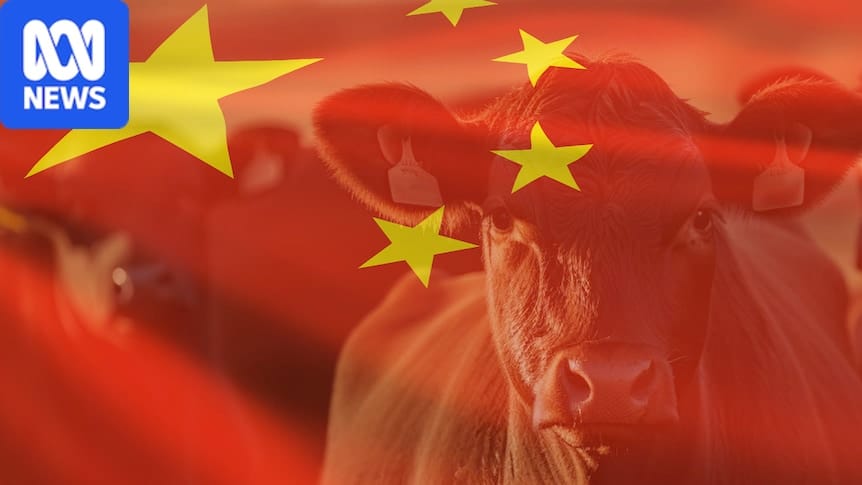
Australian beef exports to China have effectively stopped after a 55 per cent tariff was triggered one month ago.
According to ABC News, China is holding historically high frozen beef inventories, which has limited price rises in the Chinese market; Meat and Livestock Australia’s regional manager for Greater China noted about 500,000 tonnes of Brazilian beef are already in storage and Australia has sold roughly 200,000 tonnes this year.
Exporters have been scrambling to find alternative destinations for around 100,000 tonnes of Australian beef, with an initial assessment that the United States, Japan, Korea and the Philippines will absorb most of that volume. Some product already in China may sit in bonded warehouses or be stored in Australia to be shipped and cleared after duties change next year. A number of companies are expected to continue exporting chilled Australian beef to China under commercial arrangements that share the cost of the tariff.
Quotas and further tariffs complicate the outlook: Australia risks a 24 per cent tariff when a 196,000‑tonne South Korea quota is reached in the coming weeks, while Brazil is expected to hit its 1.1 million tonne quota to China soon, which would trigger a 67 per cent tariff. Analysts report China is buying for next year’s inventory and some products will be ‘trickled out’ through the remainder of this year. HGP‑free feeder steers are fetching a premium — about 50 cents per kilogram — as buyers lock in supply.
Why this matters: the large imported stockpiles are muting immediate consumer price impacts in China but are changing supermarket shelf space toward more domestic beef and creating a redistribution challenge for Australian exporters. The tariffs and quota limits affect trade flows, company margins and the timing of when product can enter the Chinese market.
What happens next: analysts expect shipments from Brazil and Australia to resume in September for next year’s inventory, while some stored frozen beef will be released gradually through the rest of the year.
Related sections: General | Australia/استراليا | Australian Capital Territory | Economy/اقتصاد | World/العالم