













Arabic version: ثقافة رقصة «الفيضان» في إبسويتش تجد جمهوراً عالمياً
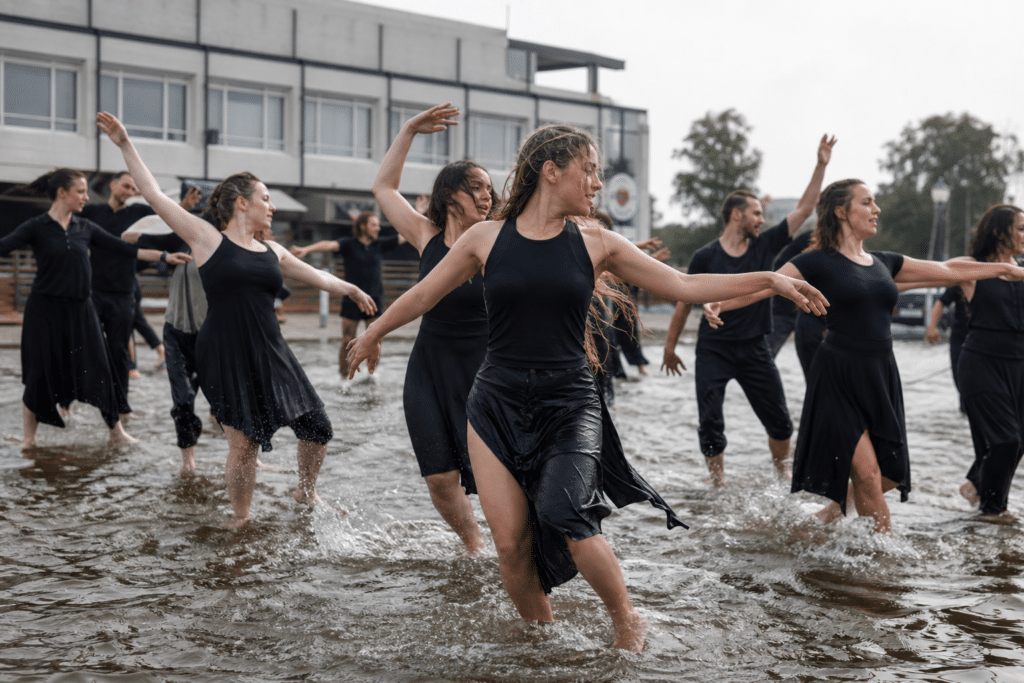
According to ABC News, Maxwell Douglas created “flood”, a street-dance culture shaped by his childhood in Ipswich, Queensland, and the experience of the 2011 Queensland floods. The 27-year-old describes the dance as a physical release connected to his upbringing among the city’s flood plains.
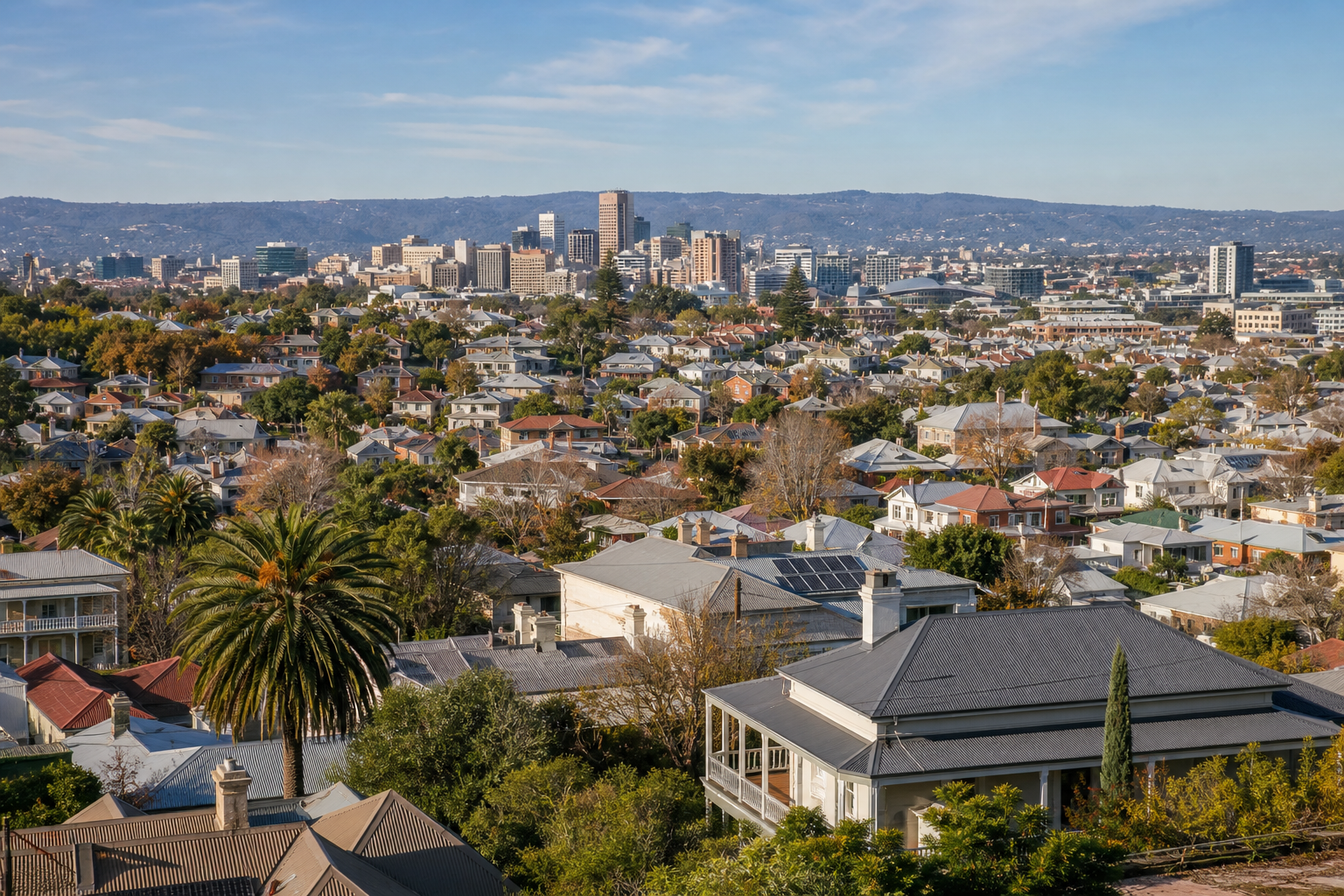
Ipswich, a former coal-mining city west of Brisbane, has endured major flooding over decades. In January 1974, 900 million tonnes of rain hit Queensland, lifting Ipswich’s Bremer River to 20.7 metres. About 1,800 homes were inundated, 41 were damaged beyond repair and two people died. In 2011, Queensland flooding killed 36 people.
Douglas was 12 during the 2011 disaster and was living in and out of women’s shelters with his mother and younger sister. He recalled debris, people struggling and families torn apart. Seeking an outlet during adolescence, he began experimenting with American street-dance influences in 2020, filming himself on local street corners and sharing the videos on social media.
Flood has grown steadily since emerging six years ago. Dance battles are a regular part of Ipswich’s annual Spark arts festival, while videos of battles and workshops have appeared in Brisbane, Melbourne and Byron Bay. The style has also been adopted by dancers in New Zealand, Japan and the United States.
Japan-born dancer Shota Sasaki, 31, said he began dancing flood-style after meeting Douglas in Kanagawa. He later travelled to Australia for a weekly session hosted in Douglas’s mother’s garage. Douglas and other local dancers hope the culture will offer people a different way to discuss Ipswich, reflecting the community spirit he witnessed during the 2011 recovery.