













Arabic version: محادثات إنفيديا لدعم أوبن إيه آي تثير مخاوف بشأن تداولات الذكاء الاصطناعي
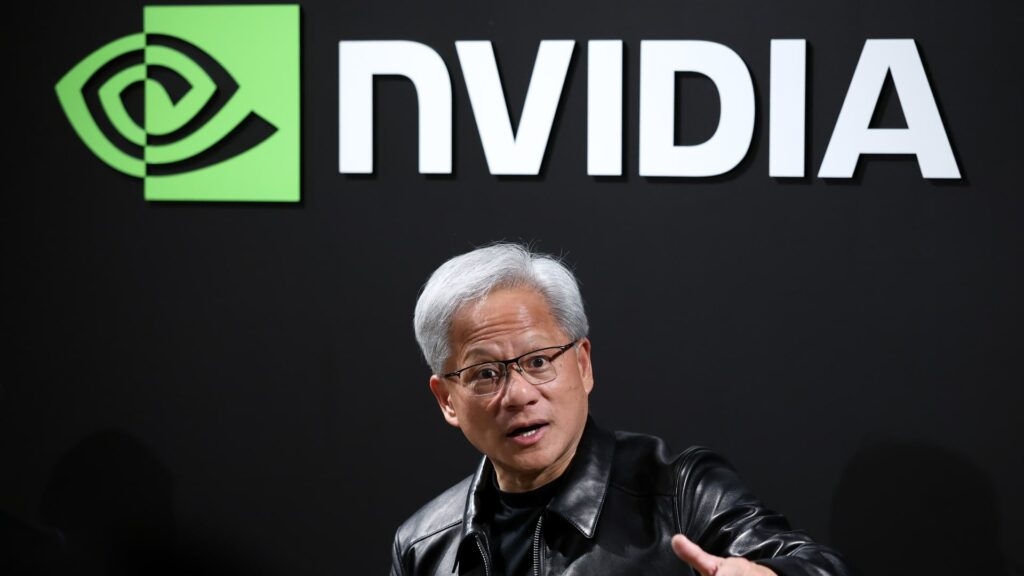
According to Cnbc, Nvidia is discussing a roughly $250 billion financial backstop for OpenAI as the ChatGPT creator seeks to lease a proposed 10-gigawatt data center in southern Ohio. SB Energy, a subsidiary of Japan’s SoftBank, is developing the facility.
The Wall Street Journal reported that Nvidia’s backing could help the developer secure debt on more favorable terms because Nvidia’s financial position is stronger than that of unprofitable OpenAI. The proposed support would cover the lease and debt for construction, rather than the AI server racks planned for the site.
Nvidia is also reportedly in talks to finance OpenAI’s chip purchases, which would go beyond the $250 billion figure. The potential arrangement has heightened attention on circular deals in the AI buildout, as Nvidia has invested in companies that purchase its chips. Its investments include $30 billion in OpenAI earlier this year, as well as backing for Anthropic and several neoclouds.
Nvidia shares fell more than 4% on Monday, alongside weakness in semiconductor stocks and other AI-infrastructure companies. The report said investors are focused on the scale of a potential commitment tied to a cash-burning private company, as well as the possibility that closer financial links could increase domino-effect risks if either party failed to meet obligations.
The situation also points to strong demand for AI computing capacity. OpenAI believes it needs more compute to serve customers, while Meta, Alphabet, Amazon and Microsoft are continuing major spending efforts. Still, the report said markets increasingly want evidence that capital expenditure is producing earnings growth, rather than simply expanding infrastructure.
CNBC said the development reinforces concerns over AI capital-expenditure levels, even as the long-term setup for the sector remains attractive. It also argued that investors may find opportunities beyond AI, including companies positioned to benefit from lower oil prices, lower interest rates, growing air travel demand and healthcare technology innovation.