












Arabic version: مقاييس الاحتياطي الفيدرالي المُهذّبة تشير إلى اتجاه تضخم أقل
According to Cnbc, alternative Federal Reserve inflation indicators showed price pressures at their lowest levels in years in June, even as traditional measures remained above the central bank’s 2% target. Trimmed mean gauges remove unusually large price increases and decreases to offer a view of where most prices are moving.
The Dallas Fed’s trimmed mean measure, based on the personal consumption expenditures price index, put the one-month annualized inflation rate at 1.4% in June. That was down 1.3 percentage points from May and the lowest reading since November 2020. Its 12-month rate fell 0.2 percentage point to 2.2%, the lowest since July 2021.
The Commerce Department reported that the all-items PCE index fell 0.1% for the month, largely because of a sharp decline in fuel costs, while the core measure excluding food and energy rose 0.1%. On an annual basis, the all-items and core gauges increased 3.7% and 3.3%, respectively. The Cleveland Fed’s 16% trimmed mean measure, which uses the consumer price index, registered 2.63% for June on an unrounded basis, its lowest since May 2021.
Citigroup economist Andrew Hollenhorst said trimmed mean data should move closer to rates consistent with the Fed’s target and said a broad range of indicators pointed to underlying inflation slowing. However, Dallas Fed President Lorie Logan cautioned that changes in the mix of price increases and decreases may cause the trimmed mean to exclude too many increases, potentially understating the true inflation trend. Logan dissented from the Federal Open Market Committee’s decision to hold its benchmark rate steady, favoring a quarter-point increase. Minneapolis Fed President Neel Kashkari and Cleveland Fed President Beth Hammack also dissented, saying inflation remained uncomfortably high.
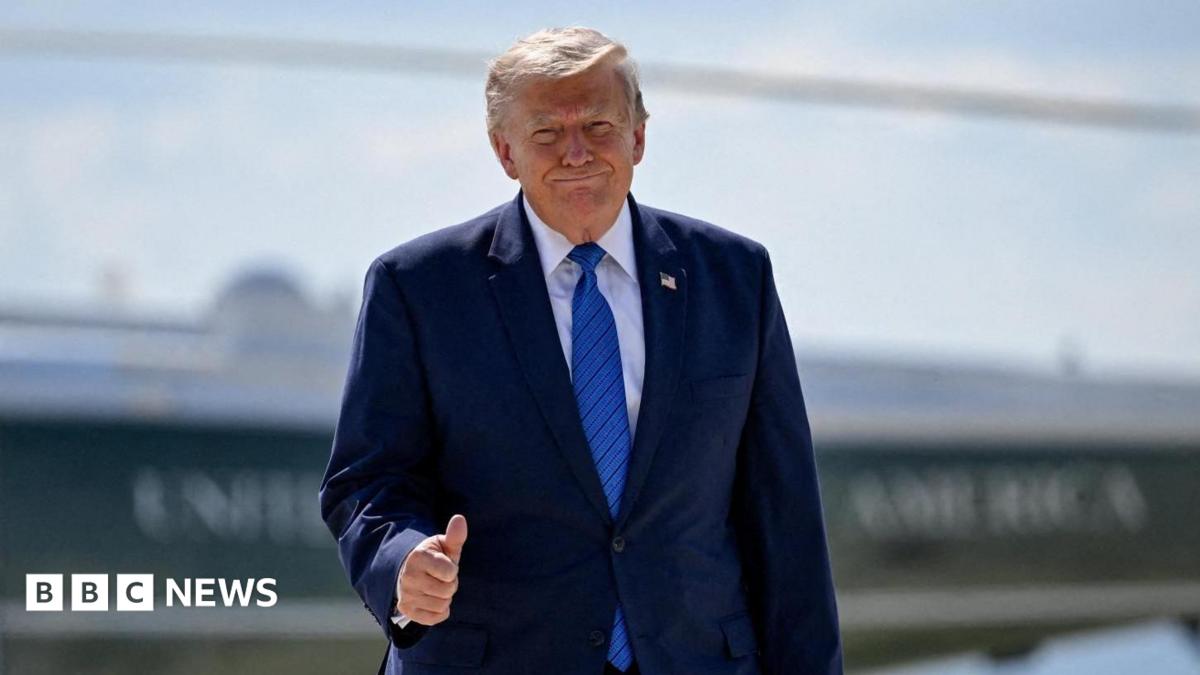
Chairman Kevin Warsh has said he intends to reexamine how the Fed assesses inflation and which data points it uses. While he cited potentially positive production signs, Warsh said the central bank still had significant work to do after more than five years of inflation above target.