












Reading in English | Read in العربية (Arabic)
A lecturer at the University of Bahr El-Ghazal has told Oz Arab Media that South Sudan’s reading culture is being affected by difficult economic conditions and a lack of suitable environments for readers.
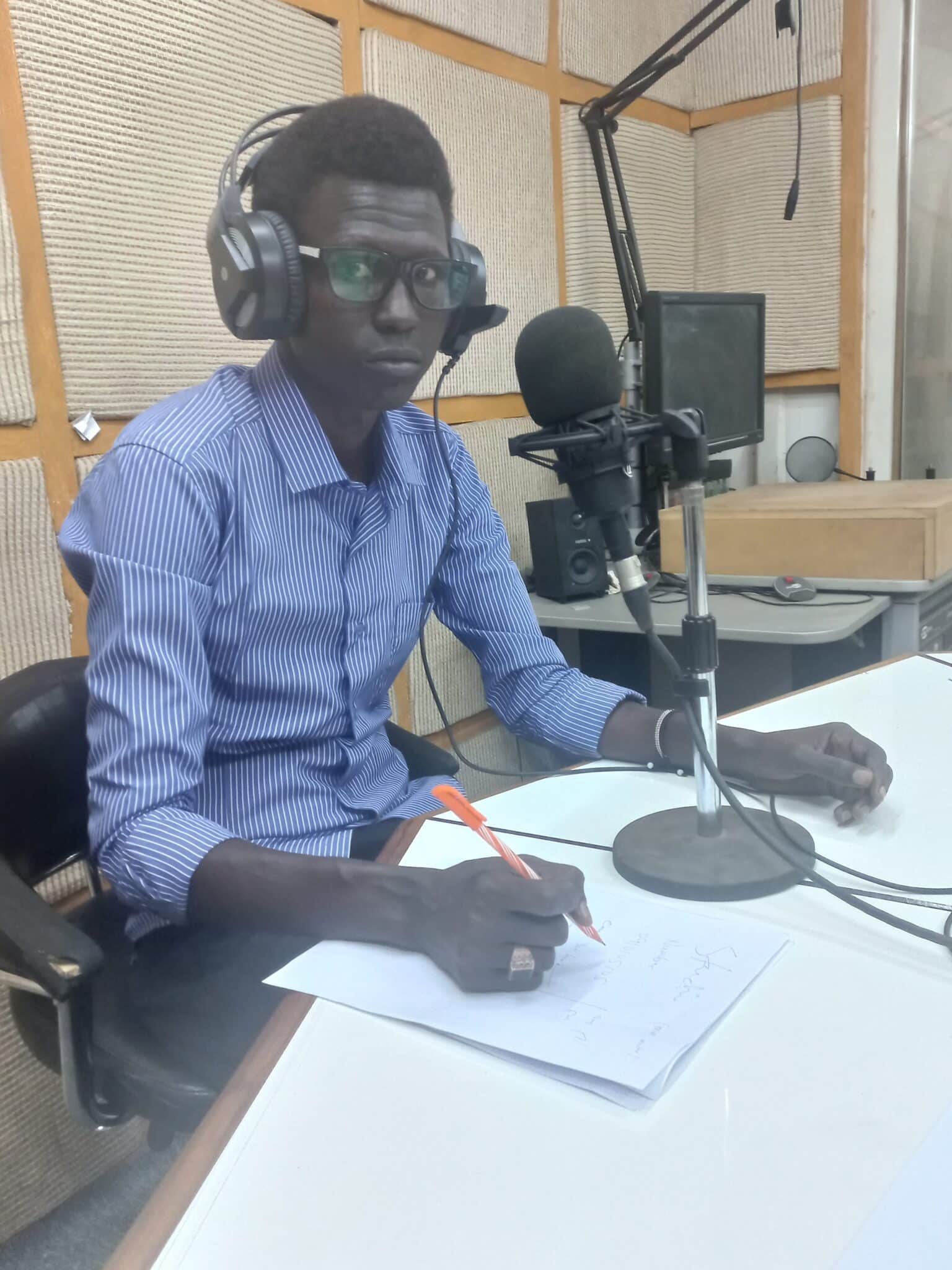
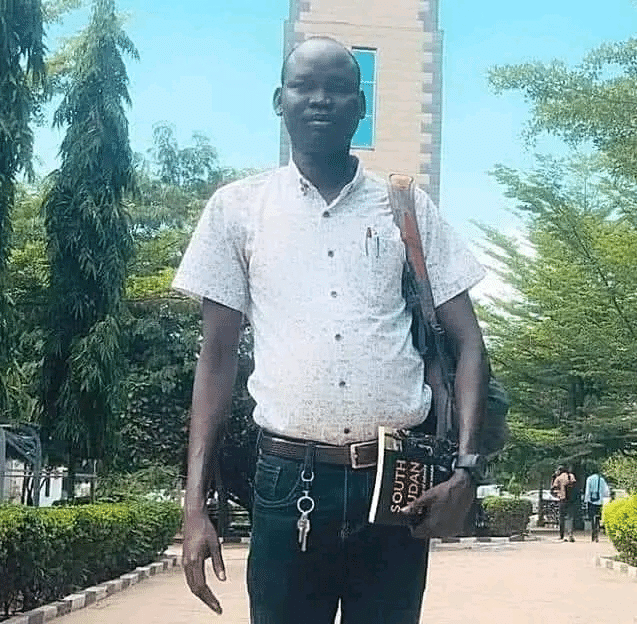
In an exclusive interview on Sunday, South Sudanese lecturer Both Gai said many young people do not have the financial resources or peaceful surroundings needed to pursue their interest in reading, particularly novels.
He explained that reading requires a quiet environment, consistency and personal discipline.
“Reading helps you discover yourself and gain knowledge that keeps you on the right path,” Mr Gai said.
He described books as important tools that organise and develop the human mind. According to Mr Gai, books expose readers to thousands of ideas, helping them think more clearly, interpret information and better understand the world around them.
An avid reader himself, Mr Gai encouraged young people to become more involved in reading rather than spending most of their free time on social media.
He said young people should reconsider how they invest their time and use books to develop knowledge and learn new skills.
South Sudan, Africa’s youngest nation, still has a relatively small number of published authors. However, academics and intellectuals are increasingly producing books on politics, law and other subjects, contributing to the gradual growth of the country’s reading culture.
South Sudan gained independence from Sudan in 2011. Because many South Sudanese were educated in Arabic before independence, the country has continued to develop an intellectual community that reads and communicates in both English and Arabic.
English is recognised as the country’s official working language, while Arabic and other languages continue to be widely used by different communities.
Mr Gai is a professional economist and experienced university lecturer who has taught academic subjects for several years. He is described by many of his students and colleagues as a disciplined educator who has inspired young people and become a positive role model.
He said he regularly shares his knowledge with others and offers advice about the importance of books, education and personal development.
Mr Gai believes that developing a stronger reading culture can help young South Sudanese expand their knowledge, adapt to change and contribute positively to the future of their country.