












Arabic version: حروب الأسعار في السياحة الصينية تضغط على إنفاق المستهلكين
According to Cnbc, China’s domestic tourism market is weakening faster than expected, raising concerns for consumer spending. Hilton China expects revenue per available room to decline by low single digits this year, after RevPAR moved from 1.3% growth in the first quarter to a 2.2% year-on-year fall in the second quarter.
Hotel-sector data point to deeper pressure during the summer travel period. Smith Travel Research data cited by Goldman Sachs showed China hotel RevPAR fell 6% year-on-year through late July, following a 1% decline in June. Goldman Sachs attributed the weakness to a three-percentage-point drop in occupancy and a 1% fall in average daily rates from a year earlier.
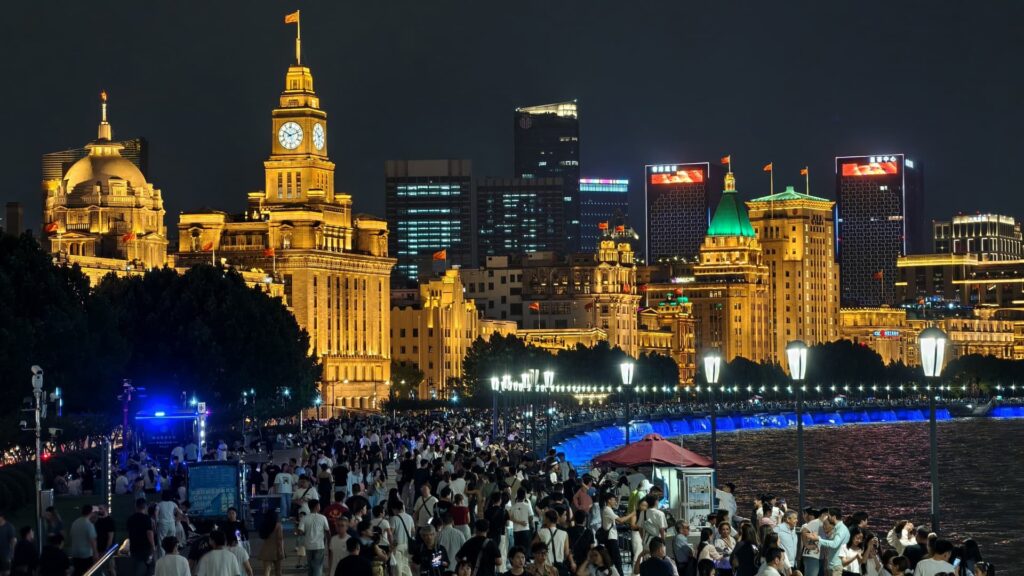
Price competition is evident in major travel destinations, including Shanghai, Xinjiang and Yunnan, according to Trip.com data. A CNBC review of listings found August weekend stays ranging from 40 yuan to 18,000 yuan per night. Median one-night prices were 192 yuan in Kashgar, 373 yuan in Dali and 595 yuan in Shanghai, while low-cost accommodation remained widely available.
The domestic slowdown follows a fading post-Covid tourism boom and softer broader consumer conditions. Natixis senior economist Gary Ng said per-capita tourism spending has declined sharply since the third quarter of 2025, while slower wage growth has encouraged consumers to seek more distinctive or premium experiences. Travel prices also fell sequentially in June, with China’s travel consumer-price sub-index down 0.6% from the previous month.
Inbound travel and luxury properties have provided a contrasting source of strength. Hyatt reported an 18% increase in U.S. visitors to China and a 24% increase in European visitors during the past quarter. Hyatt’s Greater China RevPAR rose 7.2% year-on-year in the second quarter, while its China luxury properties rose 11%. Still, Natixis estimates overseas visitors account for only 12% to 13% of total tourism spending.