













Arabic version: محكمة استئناف توقف بناء قاعة الرقص في البيت الأبيض
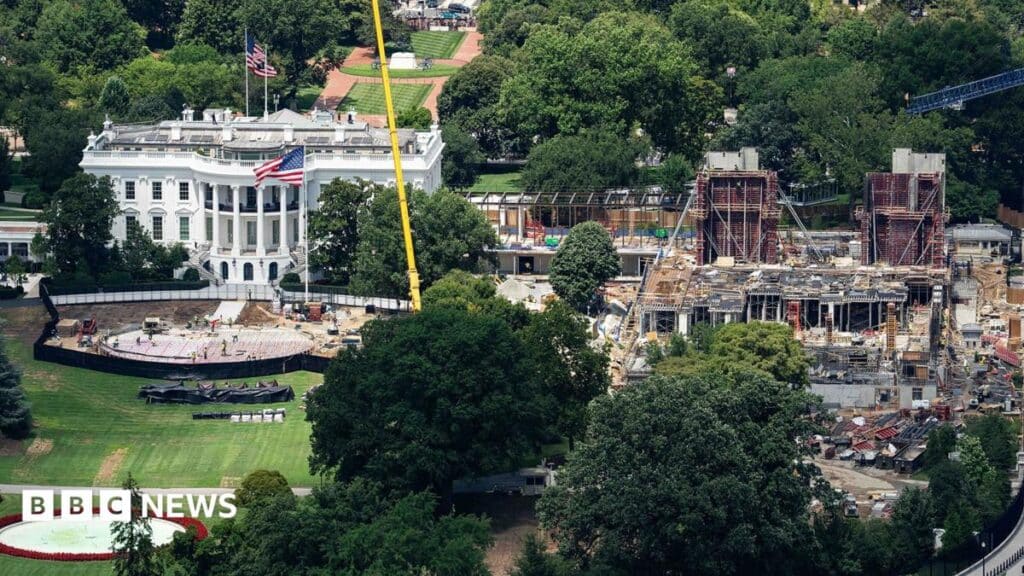
According to BBC News, a federal appeals court has ordered the Trump administration to stop above-ground construction on President Donald Trump’s $400m (£297m) White House ballroom project. The 2-1 ruling upheld a preliminary injunction won by the National Trust for Historic Preservation and was delayed for 14 days to allow an appeal to the Supreme Court.
The three-judge panel said Congress, rather than the executive branch, must decide whether a massive ballroom is built. It said Congress had not given the executive unfettered authority to dramatically redesign or reconstruct the White House, describing presidents as temporary tenants rather than owners of the executive residence.
The administration had appealed after a federal judge twice blocked above-ground work while allowing underground construction to continue. The project began after the East Wing, built in 1902, was demolished last year. The ruling does not determine whether the ballroom is desirable or whether it may ultimately be built, but says construction cannot proceed during the district court litigation without congressional authorisation.
Trump called the decision “horrendous” and “politically motivated” and said it must be overturned by the Supreme Court. He said the military and Secret Service viewed the order as a national security threat, and repeated that the project was ahead of schedule, under budget and funded by private donors. He has said the facility is needed for grand parties, state visits and national security.
The National Trust welcomed the decision, saying no above-ground work can take place unless and until Congress acts. Its president and chief executive, Brent Leggs, said the White House belongs to the American people. Government lawyers have argued that a security complex included in the project is needed to protect the White House from threats including drones, ballistic missiles and biohazards.