










Arabic version: دور الأونروا يُروى عبر تاريخ عائلة من غزة
According to Al Jazeera, Palestinian writer Nour Abo Aisha describes the United Nations Relief and Works Agency for Palestine Refugees in the Near East (UNRWA) as a constant presence in her life, from childhood vaccinations at an agency clinic to her education in Gaza. Her account was published on August 8, 2026.
Abo Aisha traces her family’s connection to UNRWA to 1950, when agency employees issued her grandfather, Ahmed Abo Aisha, a certificate with a date of birth after his family fled Bir al-Sabea during the 1948 Nakba, she wrote. UNRWA also issued the family a registration card, known as a kart al-moun, which she said became proof of their refugee status and enabled access to services.
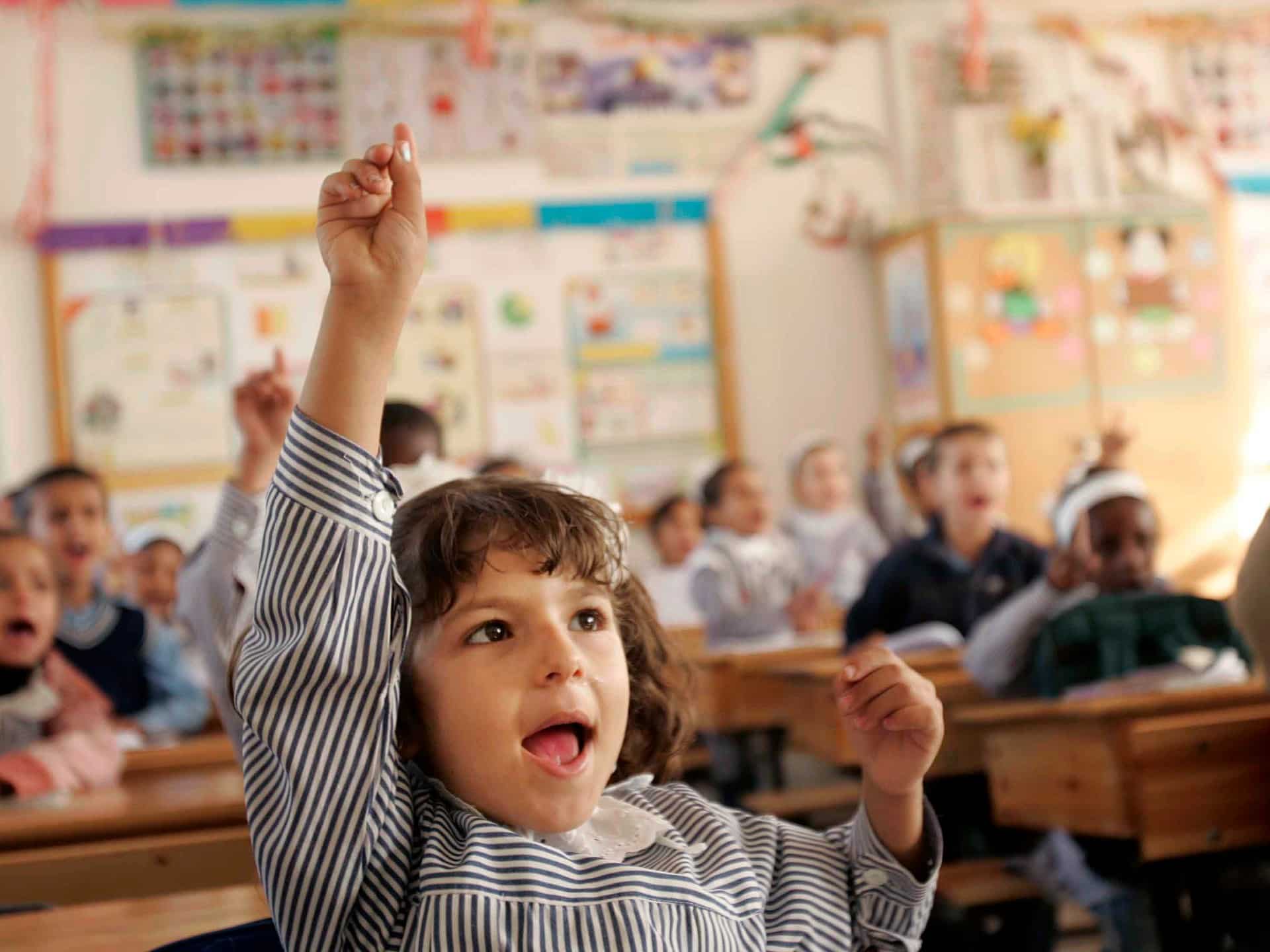
She wrote that UNRWA built camps, schools and clinics across Gaza, including in Jabalia, Shati, Nuseirat, Bureij, Maghazi, Deir el-Balah, Khan Younis and Rafah. Her grandfather and father attended UNRWA schools, while Abo Aisha recalled receiving vaccinations, school supplies, meals and cash assistance through the agency’s programmes. She also cited free checkups, basic laboratory tests, medication and periodic food assistance for refugee families.
The writer said reports of US officials calling for UNRWA to be barred from Gaza, preparations for an Israeli raid on an UNRWA compound in occupied East Jerusalem, and a possible Israeli High Court ruling on anti-UNRWA laws had caused concern. She argued that the agency’s work is tied to Palestinian refugee identity and called for international support for UNRWA. Abo Aisha wrote that about 200,000 Palestinians entered Gaza after 1948 and that 2 million displaced Palestinians are now in the territory.