













Arabic version: قاضية تحقيقات تجد أن وفاة كيت سيلفيا كان يمكن تفاديها
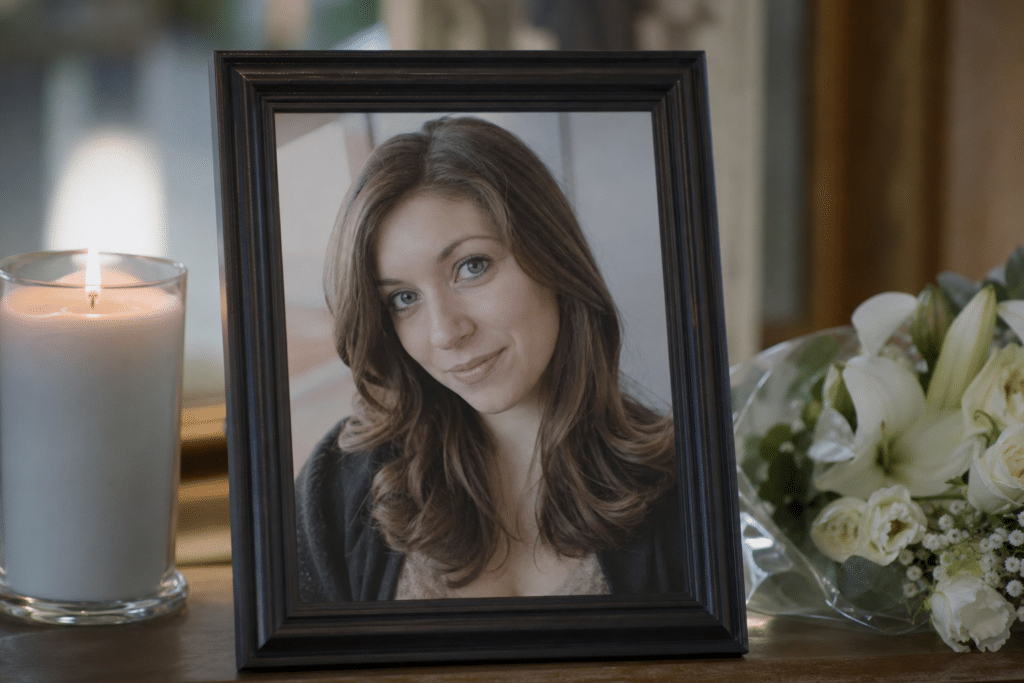
According to ABC News, a deputy coroner has found the death of Adelaide school librarian Kate Marie Sylvia was preventable after she was diagnosed with a migraine before dying from a cerebral venous sinus thrombosis in December 2021. Sylvia, 32, had experienced vomiting, stabbing head pain and slurred speech in the days before her death.
Deputy coroner Naomi Kereru found Sylvia was twice failed by the health system. Four days before she died, SA Ambulance took her to an intermediate care centre at Sefton Park rather than directly to hospital. Kereru said the ambulance service should have correctly assessed Sylvia’s symptoms and taken her to hospital, while doctor Lyall Henderson should also have referred her from the centre.
Sylvia’s mother, Kathryn Sylvia, had told ambulance staff that her daughter could not “talk properly” and “sounded like a drunk person”. Kereru found that a paramedic did not record the speech disturbance originally reported to the operations centre and later recorded no speech disturbance. The deputy coroner said complicated communication between SA Ambulance and hospital avoidance services contributed to the loss of critical information, including the mother’s report of speech abnormalities.
At the Sefton Park centre, Sylvia received fluids, anti-nausea medication and aspirin before being discharged with a migraine diagnosis. Kereru said the doctor’s lack of probing when Kathryn Sylvia raised concerns about her daughter’s speech was a fundamental issue. The findings said readily available imaging could diagnose the condition and that clear treatments have very good success rates.
Kereru recommended reminders for paramedics not to filter patient information, updated SA Health training and more detailed examination of migraine reports. She also recommended SA Health consider a program allowing family members to escalate care when they believe their concerns are not being taken seriously. Outside court, Kathryn Sylvia urged clinicians to listen to families when something does not seem right.