













Arabic version: تفاقم الجوع في كردفان مع تعثر وصول المساعدات إلى الأسر
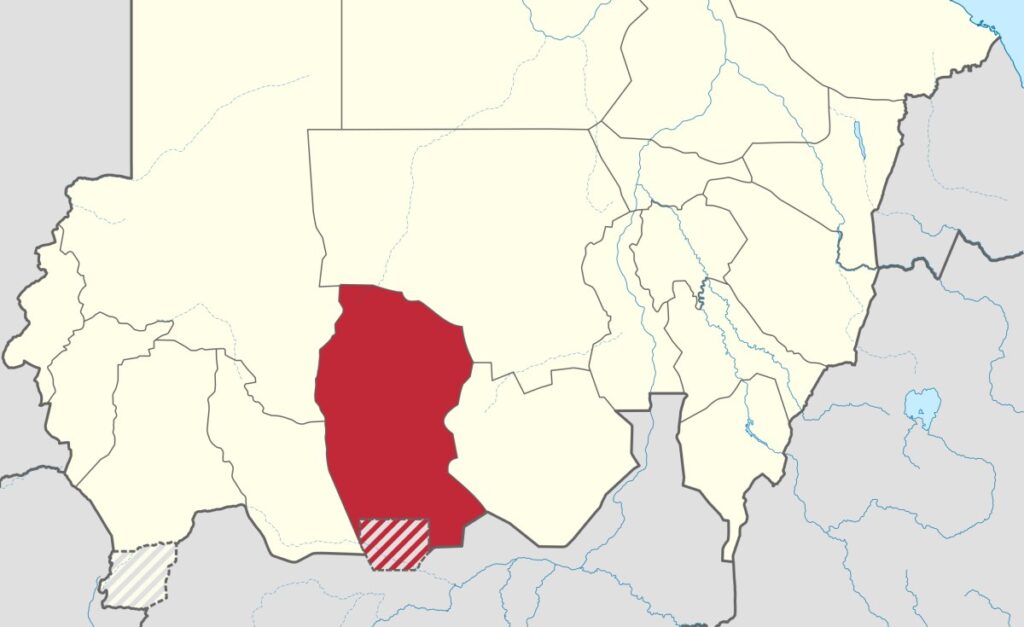
According to Allafrica, displaced people in Ed Daein locality in West Kordofan are facing worsening hunger, with some families eating ambaz, an oilseed residue normally used as animal feed. Humanitarian activist Huweida Abdelrahman Saleh said rising grain prices, lost incomes and difficulty delivering aid have pushed residents into desperate conditions.
Saleh told Radio Dabanga that an emergency response team travelled to Ed Daein intending to distribute food baskets to 100 families, but encountered about 1,000 people needing food. The team added about 50 baskets using its own funds, bringing the total to 150, but the assistance did not meet the needs of all those seeking help. A malwa of millet now costs about SDG 20,000, she said.
She said farmers have struggled to obtain seeds and other agricultural inputs, while war and hunger have reduced families’ ability to work their land. Although Ed Daein is known for fertile agricultural land, farms and orchards, Saleh said cases of people eating ambaz were witnessed and documented by her team. Rainy-season road closures have also made supplies harder to move, increasing isolation in West Kordofan, where residents depend heavily on goods from South Sudan.
In North Kordofan, the UN Office for the Coordination of Humanitarian Affairs said insecurity around El Obeid continued to endanger civilians and force people from their homes. Farhan Haq, the UN deputy spokesperson, said the UN and humanitarian partners had supplied about 2 million litres of drinking water to roughly 133,000 people during severe shortages. The European Union and African Union said more than 605,000 people in El Obeid and surrounding rural areas of Sheikan locality face worsening consequences from continued violence, and called for protection of civilians and unimpeded humanitarian access.