












Arabic version: المرضى في المناطق الريفية يواجهون تحديات إضافية في رعاية متلازمة بوتس
According to ABC News, Piper Makin was diagnosed with postural orthostatic tachycardia syndrome, or POTS, after months of worsening health while living in Keith, in South Australia’s South East. The then-15-year-old had balanced school, weekend netball and work on her family’s farm before fatigue and declining energy left her spending days in bed and needing a wheelchair. After her family pressed local doctors and hospitals for answers, a test identified the condition.
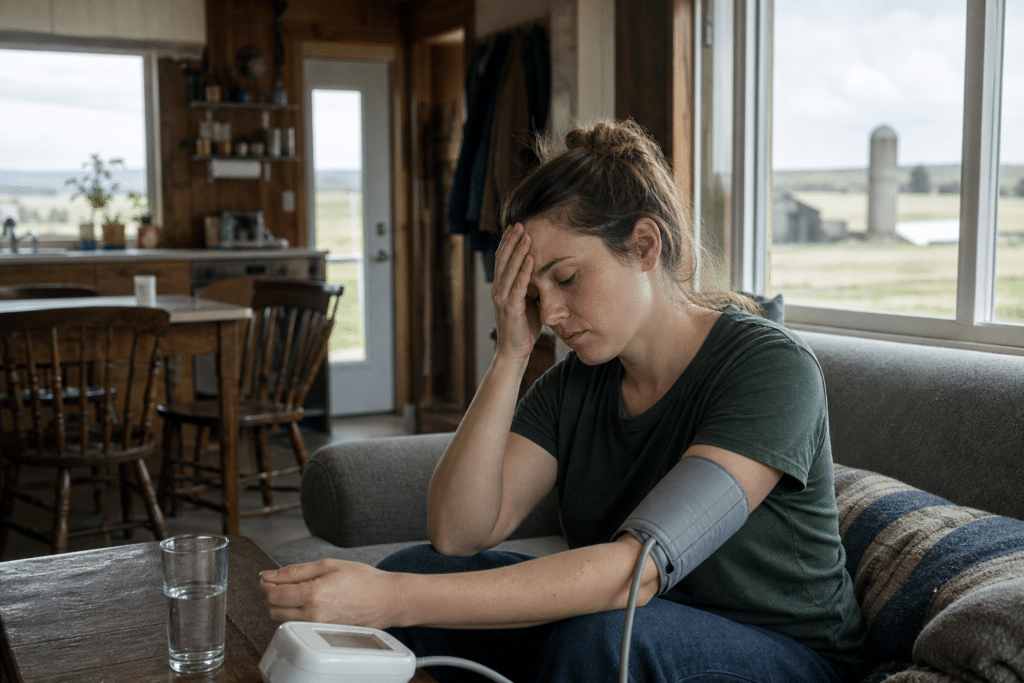
POTS affects the autonomic nervous system, which regulates functions including heart rate, breathing and digestion. The Australian POTS Foundation says people aged 15 to 50 are most likely to develop it, with women at far higher risk than men. Piper experienced drops in blood pressure and fatigue. She said the condition could be difficult to explain because people did not know what POTS was and could not physically see what she was experiencing.
Rosemary Bryant AO Research Centre senior research fellow Marie-Claire Seeley said research into POTS had been limited, leaving many patients and families without answers. She said a 20-year follow-up paper found that only 2 per cent of POTS patients recovered. Dr Seeley also cited a national survey of more than 2,000 general practitioners across Australia, which found only 2 per cent had received training in POTS diagnosis or treatment.
About 800,000 people live with POTS in Australia, but Piper’s family found knowledge of the condition scarce in their regional community. Her mother, Kylie Makin, began documenting her daughter’s experience on Facebook to seek information and connections. The family found a doctor in Adelaide, about 225 kilometres away, and began six weeks of intravenous injection therapy, a process Kylie said was expensive and mentally draining.
Piper has returned to school and netball, although managing POTS involves periods of improvement and regression. She was selected for a netball carnival in Adelaide after treatment eased symptoms, but withdrew following a flare-up. Piper and her mother want greater awareness so others whose health deteriorates can seek answers and treatment sooner.