












Arabic version: تحديثات باسيفهاوس توفر منازل أكثر برودة في بريطانيا الأكثر حرارة
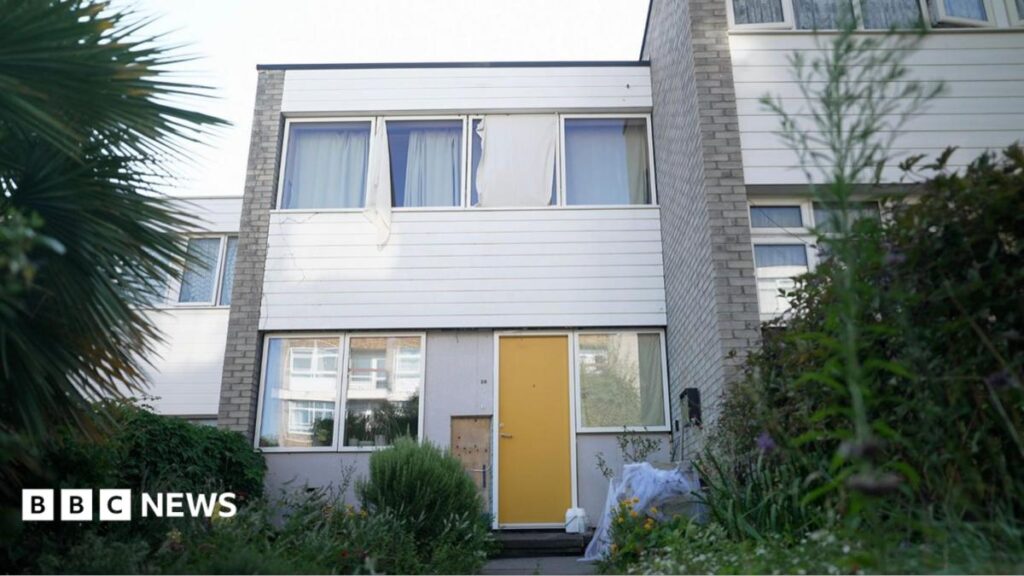
According to BBC News, more than half of UK homes are already at risk of overheating, a figure projected to rise to 92% by 2050 without adaptation. In south London, architect Marion Baeli has retrofitted her 1960s ex-council house to remain cool without air-conditioning.
On a 35C day during this summer’s fourth heatwave, Baeli’s home was 10C cooler than outdoors. Her work follows the Passivhaus standard, developed in Germany around 35 years ago, which aims to keep indoor temperatures stable by effectively sealing buildings against the elements. Such homes are estimated to use up to 90% less energy than typical houses.
Over a decade, Baeli insulated shared walls, floors and the roof, addressed areas of rapid heat exchange, replaced some cavity brick walls with super-insulated timber-framed walls and installed triple-glazed windows. A ventilation system keeps the airtight home supplied with fresh air. She estimates energy demand has fallen by 88%, saving nearly £750 a year, while one radiator can heat the four-bedroom, three-floor property in colder months.
The retrofit cost about £80,000, excluding architectural work. Windows cost £30,000, while making the house airtight cost £5,000. Baeli completed the project in stages to spread the cost. She also shades windows during the day and opens them at night, although a 27C night during June’s heatwave left the house at 27C.
New homes built to Passivhaus standards can be cheaper to deliver than retrofits, with additional construction costs estimated at 2% for flats and 5% for a semi-detached house. England’s Future Homes Standard is due to take effect in March, while Barratt Redrow is building 900 flats in west London to the standard. Yet with an estimated 80% of the UK’s 2050 housing stock already standing today, retrofitting remains central to preparing homes for rising heat.