












Arabic version: تراجع أبقار البحر يدفع إلى دعوات للبحث والحماية في الخليج
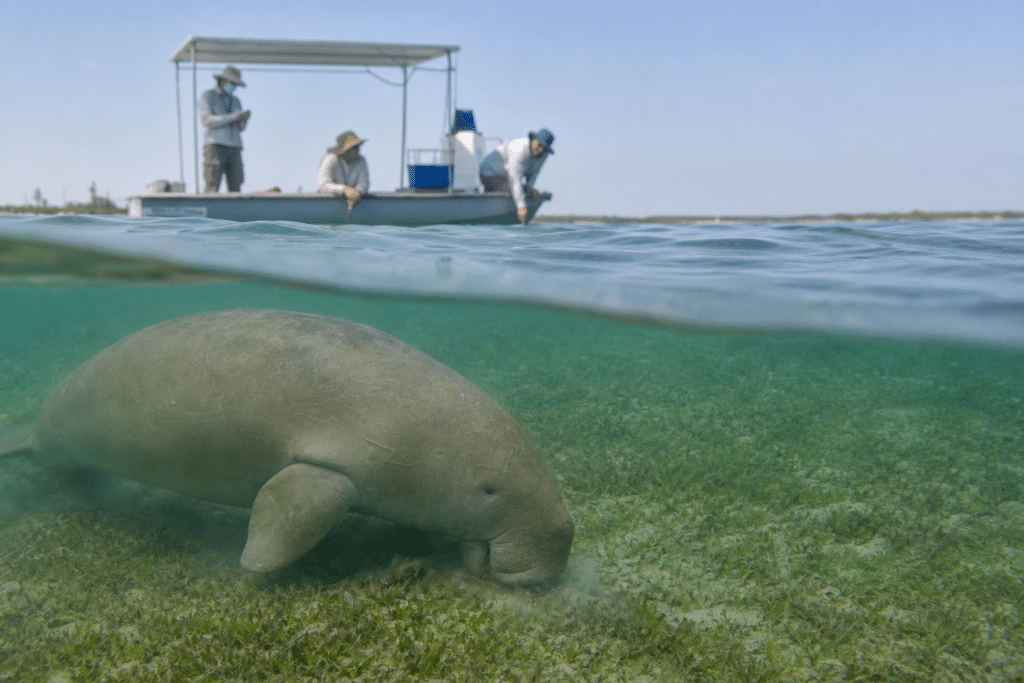
According to ABC News, aerial surveys by James Cook and Charles Darwin universities, undertaken with Indigenous ranger groups, found dugong numbers in the Gulf of Carpentaria fell from 10,000 in 2007 to 5,000 in 2025. The surveys identified a large reduction in Queensland waters, while the Northern Territory population appeared stable.
Scientists said the cause remains uncertain. Possible factors include floods and storms that smother seagrass meadows, entanglement in gillnets, boat strikes and marine debris. Dugongs depend on seagrass for food, prompting fishing industry representatives and Indigenous leaders to seek further government-funded investigation of habitat loss and other environmental pressures.
Some Indigenous ranger groups have called for a Gulf-wide gillnet ban, including an expansion of Queensland closures introduced in five areas in 2024 and a faster implementation of the Northern Territory’s planned total ban, due by the end of 2027. Roper Gulf Regional Council Mayor Tony Jack backed an immediate end to gillnetting.
The Queensland Seafood Industry Association rejected claims that commercial fishers caused the reduction. Chief executive David Bobberman called for a rebuilding strategy and for consideration of seagrass loss, traditional hunting and boat strikes. NT mackerel fisher Tiger Davey said his business stopped using gillnets in the gulf years ago and called for more research funding.
Leaders also raised concerns about poaching and the illegal sale of dugong meat, while disputing that traditional hunting was driving the decline. Queensland’s environment department said it had received no reports of illegal selling or killing of dugongs in the Gulf of Carpentaria in the previous 12 months, and NT Police said it had no active investigations into illegal dugong-meat trade.
Queensland said it supports conservation through habitat protection, monitoring and research. NT agencies said they would work with researchers to understand recent changes and would extend Limmen Bight Marine Park to protect a major seagrass system. The federal government said it had provided more than $5.25 million over four years for dugong conservation, research, monitoring and related seagrass habitat projects.