












Arabic version: مزرعة أصداف أذن البحر في أوغوستا تبدأ تقليص أعمالها بعد تراجع أسعار التصدير
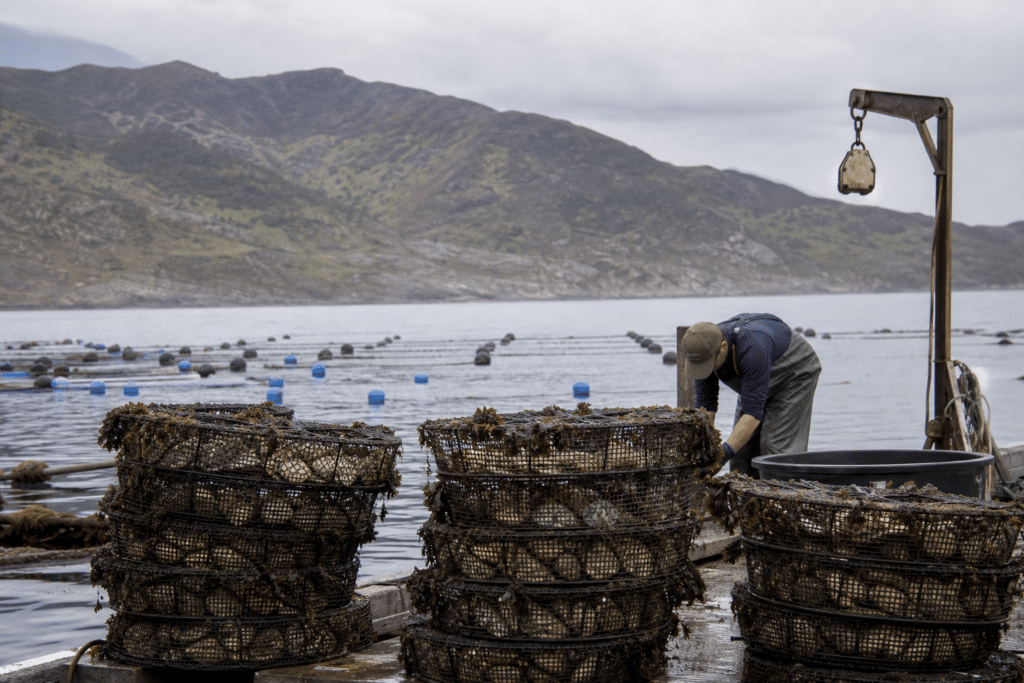
According to ABC News, Rare Foods Australia is winding down its ocean-ranched abalone operation at Augusta on Western Australia’s southern coast after export prices fell and losses mounted. The business, founded in 2011 as Ocean Grown Abalone, was once Augusta’s biggest employer during an export “gold rush” to Chinese consumers in 2019. Workers dived for and harvested abalone from artificial reefs in Flinders Bay and processed the molluscs at a nearby facility.
Financial documents show the company had accumulated losses of more than $25 million by June last year. Its 2024–25 financial report recorded a yearly loss of $4,833,469, while net assets fell from $9.6 million to $4.7 million. A 2025 wind-down strategy included workforce restructuring and lower operating expenditure. By June, the company had delisted from the Australian Securities Exchange to reduce listing costs and had stopped seeding juvenile abalone into its Augusta reefs. Rare Foods Australia declined an ABC request for comment.
Former managing director Brad Adams, who left the company and the seafood industry earlier this year, said competition from China’s farmed abalone producers had effectively halved greenlip abalone export prices. He said prices that had averaged about $55 to $60 per kilogram were now around $30 to $35. China’s industry has expanded over two decades to production of about 200,000 tonnes annually, flooding a market that was once Australia’s largest abalone customer.
Mr Adams said Australian aquaculture production had probably halved in the past two years. Two Tasmanian farms closed last year, including Yumbah Aquaculture’s Bicheno operation, while an algal bloom along South Australia’s coast led Yumbah to close its Kangaroo Island farm. Plans for an abalone ranch and aquaculture precinct near Esperance, proposed in 2017 with the Esperance Tjaltjraak Native Title Aboriginal Corporation, Rare Foods Australia and Yumbah, have remained on hold. ETNTAC chief executive Peter Bednall said the project’s future should be examined, but the downturn had put further expansion in question.