












Reading in English | Read in العربية (Arabic)
Two-time Oscar-winning Iranian filmmaker Asghar Farhadi, said: “Sound plays an impactful role in cinema and is so important that the subject of my latest film, “Parallel Tales”, is sound; I made it as a tribute to sound.”
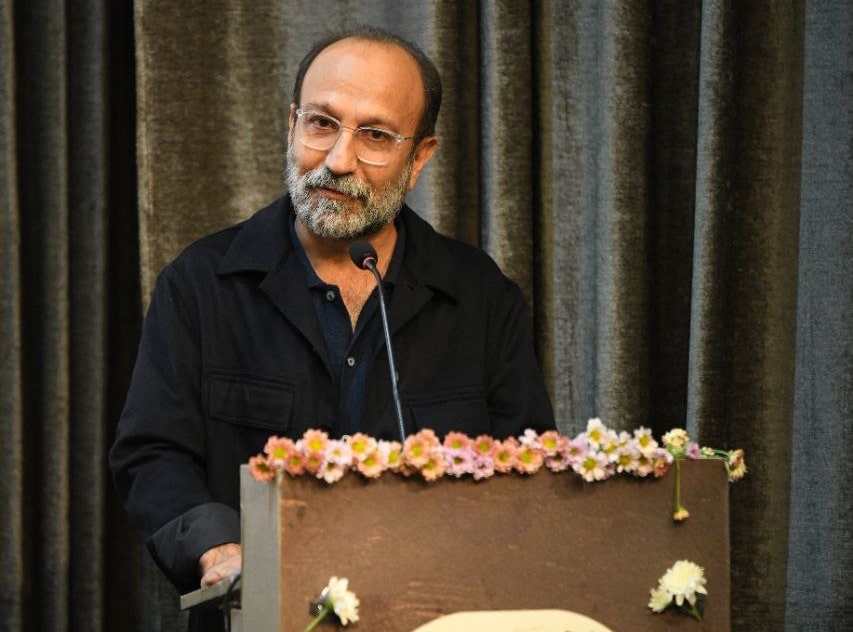
According to the report of Mansour Jahani, an independent and international film journalist, Monday, September 21, 2026, at a ceremony held at the House of Cinema in Tehran honoring Iranian cinema sound recordists and sound designers including Hassan Zahedi, Eshagh Khanzadi, and Behrooz Shahamat, Asghar Farhadi spoke about the “status and role of sound in cinema”. He remarked: “Sound plays an impactful role in cinema; it is so significant that the subject of my latest film, “Parallel Tales”, revolves around sound in fact, I made it specifically as a tribute to sound. The more time has passed, the more deeply engaged I have become with the role of sound in cinema.”
I write the sound of the scene while writing, before scripting the visuals
The director a winner of the Berlin International Film Festival’s Golden Bear, added: “For me, the importance of sound means that I think about it more than ever before; it has become a much more serious matter. My process has reached a point where, while writing and before even scripting the visuals I first write down what the sound of the scene is like; only then do I consider the imagery.”
I told Mr. Delpak to create the sound for me, so I could write the visuals to match it
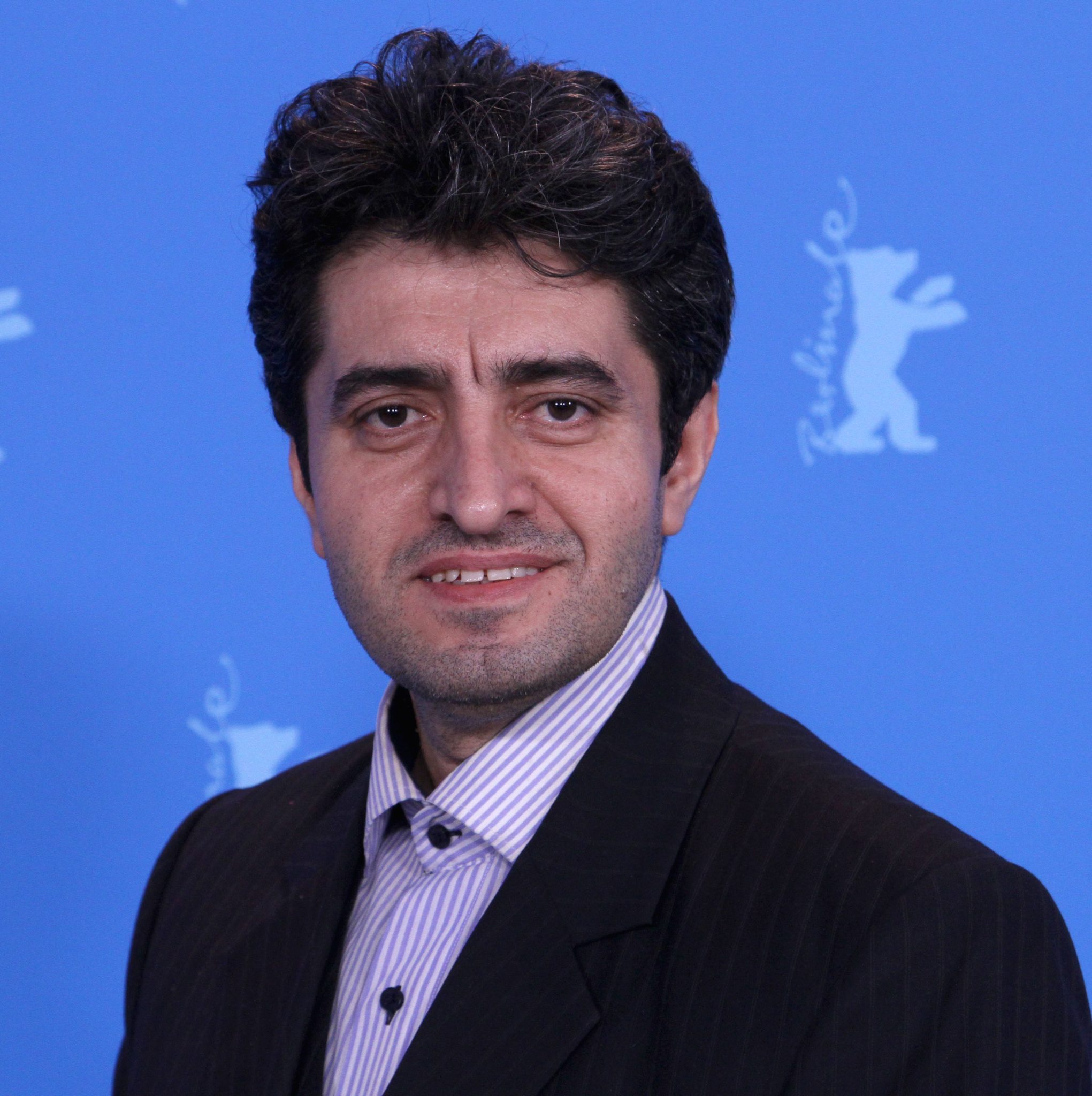
Referring to his latest cinematic work in Iran, Farhadi said: “I undertook an unusual task a while back. For a project I might make someday, the first thing I did was visit Mr. Mohammad Reza Delpak a sound designer and Oscar Academy member known for films like “A Separation”, “The Salesman”, “About Elly”, and “A Hero”. I told him, ‘I have a vision for the final scene; I know what the sound should be, but I don’t yet know what the visuals look like.’ I asked Mr. Delpak to create the sound for me first, so I could write the visuals to match it later. In effect, this reverses the standard cinematic process, where visuals are usually recorded first and the sound is added later.”
Sound has the potential to spark greater imagination regarding films
The director winner of the Cannes International Film Festival’s Grand Jury Prize, added: “This significance stems from the belief that sound holds the potential to stimulate our imagination regarding films. If there are films today that leave little room for our imagination where we simply see exactly what is projected on the screen the issue often lies in their sound design. Dariush Mehrjui was an Iranian filmmaker who placed great importance on sound; yet, while we still discuss his films, we rarely comment on their soundscapes. For instance, the beautiful sense of “disarray” found in Mehrjui’s films stems more from the sound than from the visuals.”
Sound is a crucial element that significantly influences the vitality and lifeblood of a film
Highlighting the role of sound in cinema, Farhadi remarked: “Sound is a very important element; if filmmakers can effectively harness its potential, it has a profound impact on the film’s vitality and lifeblood. I have experienced this firsthand, which is why, when I write these days, I focus more on sound.”
The First Generation of Sound Recordists Brought Sound to Iranian Cinema
Speaking about the characteristics of sound recordists in Iranian cinema, this Golden Globe-winning director noted that the first generation including figures such as Hassan Zahedi, Masoud Behnam, and Asghar Shahverdi possessed two key attributes. First, they introduced sound recording to Iranian cinema; prior to their arrival, on-set sound capture did not exist, but they professionally initiated the practice by recording audio directly on set. The second point something I have not observed elsewhere is that the role of sound recordists in Iranian cinema extends beyond the technical task of recording audio; due to their age, experience, and status as veterans of the craft, they also bring a paternal presence to the film set.
Iranian Cinema’s Sound Recordists Bring a Paternal Presence to the Set
Highlighting the characteristics of sound recordists in Iran, Farhadi noted that prominent and seasoned professionals such as Hassan Zahedi (with whom I worked on “Dancing in the Dust”, “Beautiful City”, “Fireworks Wednesday”, and “About Elly”), Masoud Behnam (“Fireworks Wednesday” and “Dancing in the Dust”), Yadollah Najafi (The Salesman), and Mahmoud Samakbashi (A Separation) all brought a paternal quality to the film set, something I have not experienced in other countries. It is as if they are deeply invested in the film as a whole, rather than focusing solely on the recording equipment.
Farhadi’s Recollection of Filming “Beautiful City”
Reflecting on the making of the feature film “Beautiful City”, the experienced director said: “We were shooting in an impoverished area for this project and encountered numerous difficulties; the police had advised us against going to that neighborhood. While we were working, the local residents attacked us, and we faced severe harassment; we were forced to halt filming and return to Tehran.”
We filmed “Beautiful City” under difficult conditions and in an impoverished environment
He added: “There was simply no way to get along with them; we were filming in a deprived area where people were struggling with economic hardship. Misunderstandings had arisen, and they believed we were affiliated with state television or the government; they were completely uncooperative. Under those circumstances, the film’s sound recordist, Hassan Zahedi, suggested he try to resolve the issue himself. He visited the home of one of the locals that night, and by the next day, the way was cleared for us to continue filming.”
Regarding the details of the incident, Farhadi said: “I don’t know exactly what Zahedi said to the locals, but the result was that the crew was able to proceed with the work.”
The technical proficiency of Iranian sound recordists and sound designers is a source of pride
The director of “A Separation” and “The Salesman”, highlighting the technical skills of Iranian cinema’s sound professionals, stated: “In terms of both technique and artistry, the post-production sector of Iranian cinema and sound work in particular ranks among the best in the world. I have never taken the audio from my films abroad only to have a single flaw pointed out. People would always ask, ‘How do you achieve this?’ It is a source of pride and admiration that when we take our film audio overseas, we are told how excellent the recording and sound design are, and how clean and flawless the work is.”
In terms of sound, editing, and makeup, Iranian cinema truly ranks among the top two or three countries in the world
In his concluding remarks, Asghar Farhadi emphasized: “I believe that Iranian cinema specifically in the areas of sound, editing, and makeup, as well as many other fields truly remains among the top two or three countries globally, and this is something we can clearly see when comparing it with other places.”
Winner of two-time Oscar, Golden Globe, Golden Bear, Grand Prix at the Cannes
Asghar Farhadi has won important awards for his films, including the Golden Globe Awards (2012) and two Oscars for “A Separation” (2012) and “A Separation” (2017), the Golden Bear Award for “The Salesman” (2011), the Grand Prix Award Cannes Film Festival for “A Hero” (2021), etc.
Credit images: Iran’s House of Cinema