










Arabic version: اكتفاء الصين الذاتي يشكّل محادثات التجارة بين ترامب وشي
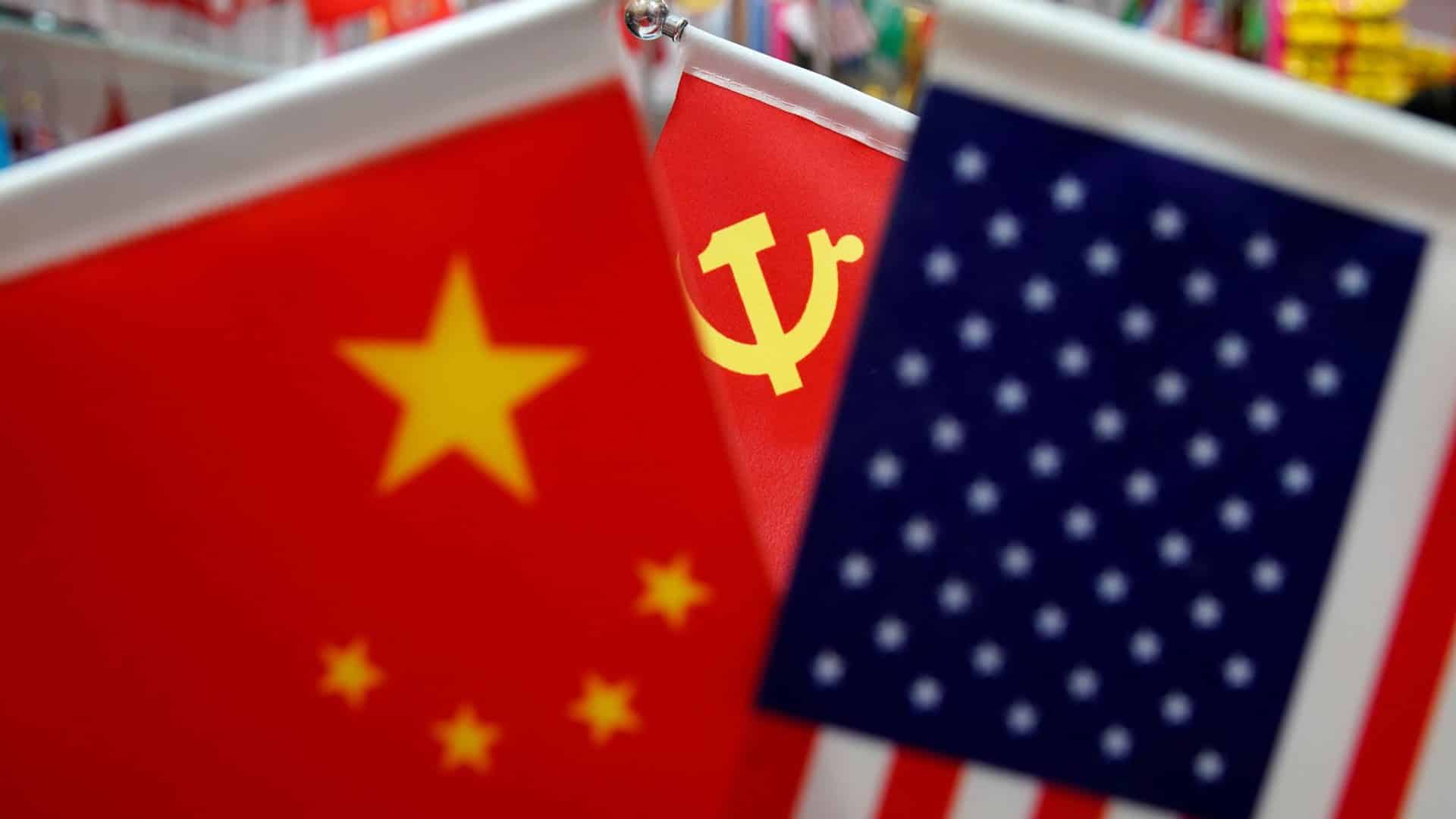
According to Cnbc, U.S. President Donald Trump and Chinese President Xi Jinping are expected to meet this week for their second in-person summit of the year, with businesses hoping at most for an extension of the trade truce reached last fall. Artificial intelligence concerns have become more prominent before the meeting.
Trade remains central to the relationship. Tariffs have done little to curb U.S. appetite for Chinese goods, the report said. The U.S. trade deficit with China briefly fell to its lowest level since 2017 after trade tensions escalated last April, but demand for AI-related parts has helped push it higher again this year, based on China Customs data accessed through Wind Information.
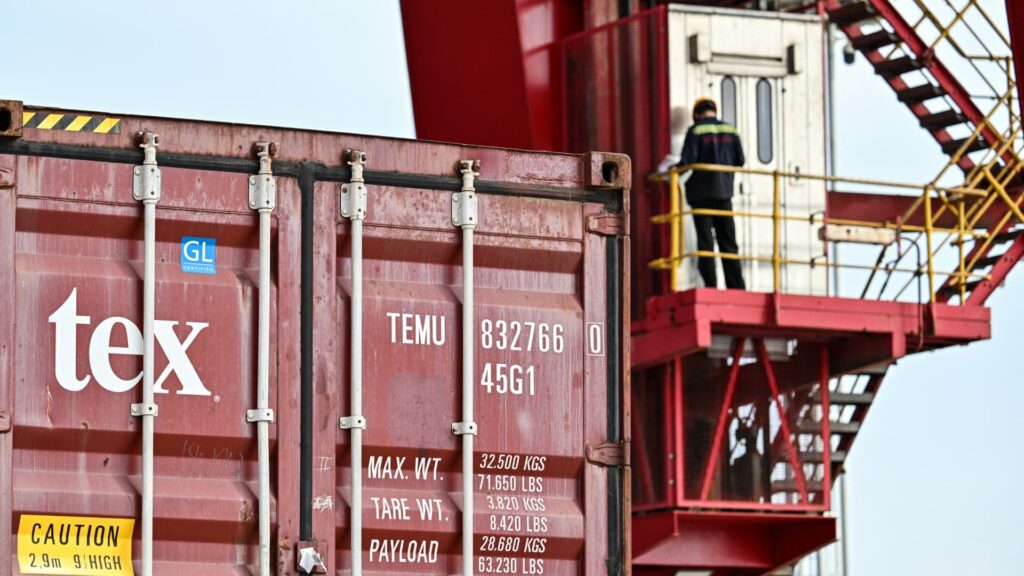
China’s export reach has expanded even as the U.S. has sought to diversify supply chains. Jens Eskelund, president of the European Chamber of Commerce in China, said Asia still accounts for more than 60% of U.S. imports, unchanged from before “Liberation Day.” He estimated that between half and three-quarters of container traffic from China to Southeast Asia then moves to other destinations.
Eskelund said he had expected China to reach 40% of global container exports in 2030, but that level was reached this summer. China’s property-market downturn, which began in 2022, weakened domestic demand and encouraged companies to expand internationally. He said export prices and export volumes showed a direct correlation as prices fell and volumes accelerated.
China still faces domestic strains, including weaker labor markets, falling rents and a rising number of loss-making industrial companies. But analysts said policymakers may see little urgency for additional easing without a sharp labor-market deterioration. The country’s industrial robot output rose 34.6% year on year in August, while smartphone output fell 22.3%.
Growing Chinese competition is also reshaping overseas policy debates. The American Chamber of Commerce in Shanghai said domestic competition had overtaken geopolitical tensions as its members’ leading challenge. European Union officials have increased scrutiny of China-origin exports, while Chad Bown of the Peterson Institute for International Economics described Beijing’s approach as a strategy of “one-way dependence” by the rest of the world on China.