












Arabic version: رايموندو تحث على التخطيط لانتقال الوظائف في عصر الذكاء الاصطناعي
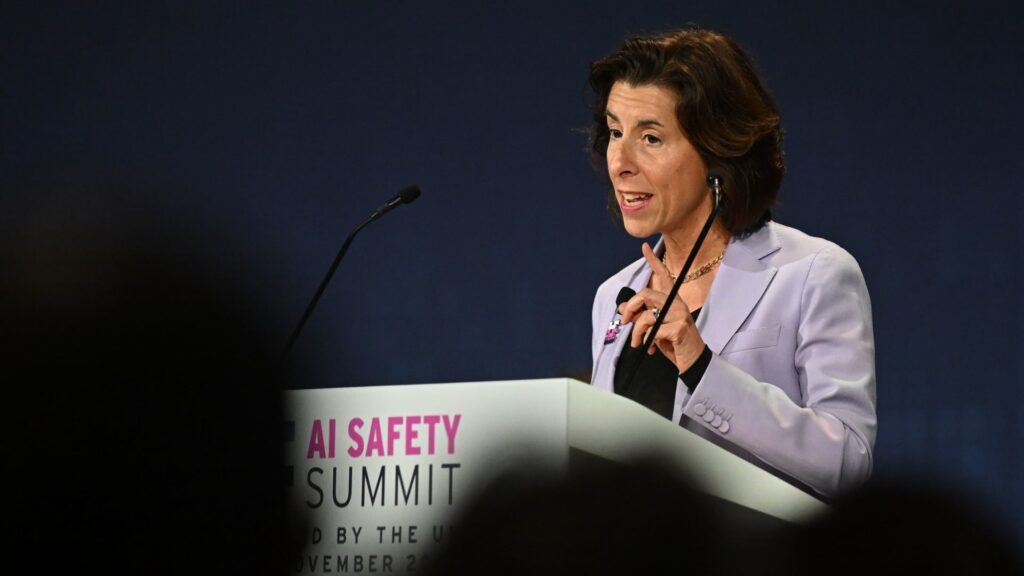
According to Cnbc, former U.S. Commerce Secretary Gina Raimondo says the long-term effect of artificial intelligence on jobs cannot be known with certainty, but she is concerned that poor planning could bring major short-term disruption. Raimondo, who calls herself an AI optimist, said she expects the technology eventually to create jobs that cannot yet be imagined and to deliver benefits including better health care, technology and data.
In the first episode of Season 2 of the “CNBC Changemakers” podcast, Raimondo told Julia Boorstin that the worst-case outcome would be failing to ensure that every American can find a good job in the AI era. She said that, without a plan, tens of millions of people could become unemployed or underemployed, potentially contributing to a deep, long recession and social unrest. She also warned that a severe disruption could prompt regulators to curb AI innovation and allow other countries to gain an advantage.
Raimondo said conversations with chief executives after her time in government helped shape her concerns. She said executives from major U.S. corporations had raised worries about significant job losses tied to AI and robotics. She argued that market forces alone will not manage the transition without major disruption, particularly as economic inequality has increased.
Raimondo now leads Raise Us, a national nonprofit she co-founded with former Indiana Governor Eric Holcomb. The group seeks to connect private capital and government to develop worker-focused responses before displacement occurs. It is working with businesses and governors in Arkansas, Utah, Maryland and Connecticut, while companies initially involved include Amazon, Anthropic, Microsoft, AMD, ADP, Bank of America, Blackstone, Cisco, Eli Lilly, GM, IBM, Mastercard and UPS.
The organization is testing ideas including service programs for younger Americans, new unemployment-insurance models, salary support and retraining for displaced workers, especially people in their 50s. Raimondo also called for changes to incentives such as payroll taxes, arguing that employers pay taxes for workers but not for AI agents. She said she has little confidence that Congress or corporate leaders alone will deliver an effective response.