












Arabic version: استعادة جزيرة ليدي إليوت من أضرار تعدين ذرق الطيور
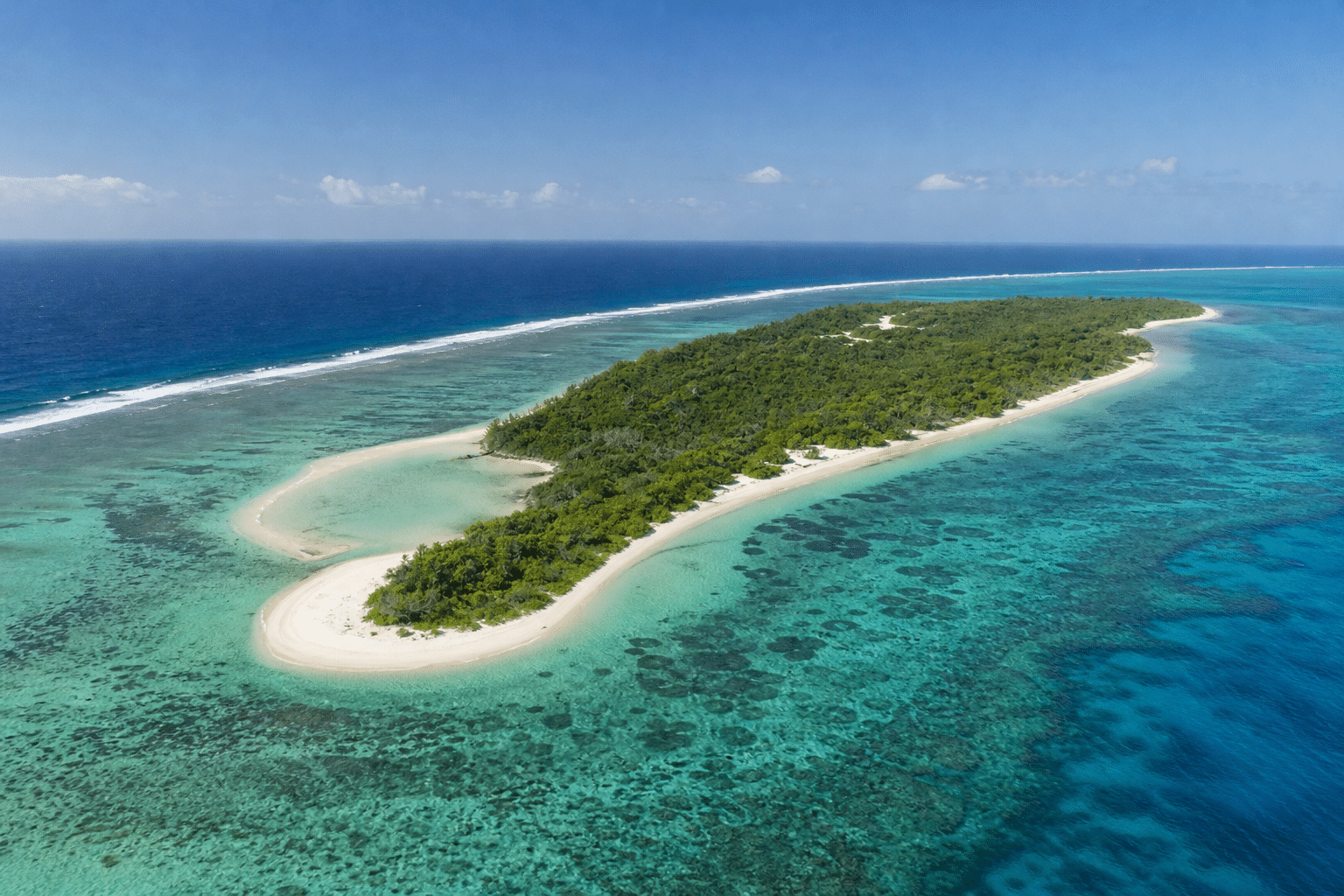
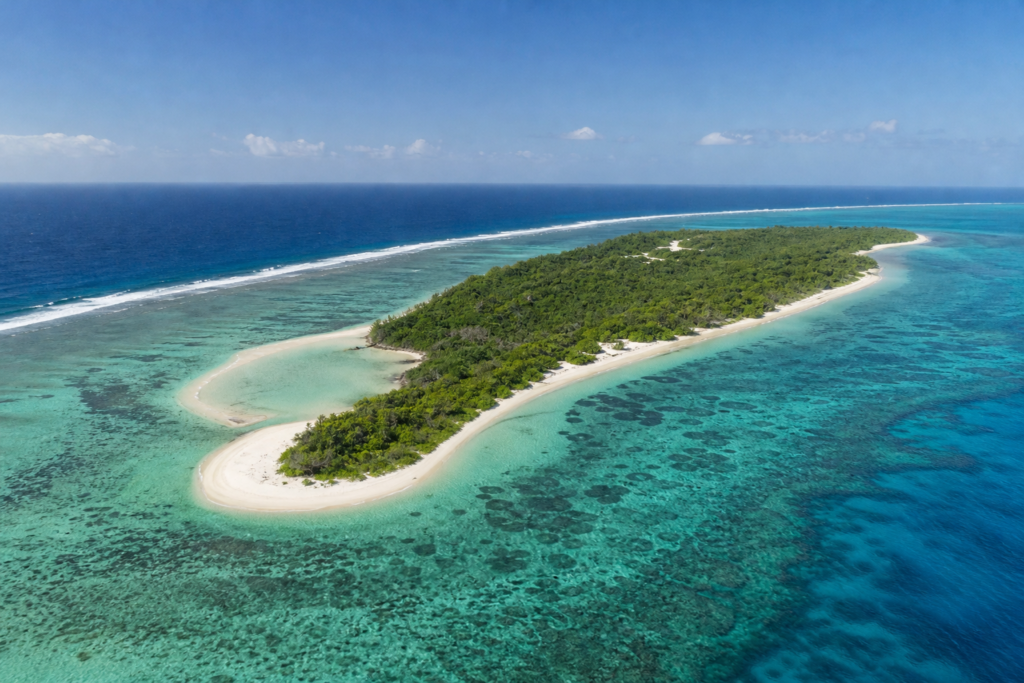
According to ABC News, Lady Elliot Island, a 45-hectare coral cay 80 kilometres off Bundaberg at the southernmost tip of the Great Barrier Reef, has been transformed from a landscape stripped by guano mining into a vegetated island again supporting seabirds.
Within a decade of miners arriving in force in the 1860s, trees, shrubs and grasses had been cleared to reach guano, accumulated waste from birds or bats that is rich in nitrogen, phosphate and potassium. In 1863, the Queensland government granted Jack Askunas the island’s first official mining lease for £300 a year. An estimated 20,000 tonnes of guano was removed over the following decade.
The mining destroyed habitat that had sustained birdlife for thousands of years. Goats later ate plants that sprouted, while lighthouse keepers introduced invasive plants that environmental staff are still trying to eradicate. Only eight Pisonia trees were left; they still stand and are at least 160 years old.
Aviator Don Adams saw the island’s tourism potential from the air in the 1960s and, with his wife Moya, began rehabilitation work. They surveyed native species on similar Great Barrier Reef islands, grew coconut palms from coconuts collected on Dunk Island, and propagated casuarina, pandanus and umbrella trees in a Hervey Bay nursery. Hundreds of saplings were flown to the island and planted and watered by hand.
The rehabilitation program received a conservation award from the Wildlife Preservation Society of Queensland in 1974. More than 20,000 plants have since been used in the island’s hand-led rehabilitation. Seabirds now nest and roost there again, including white-capped black noddies, brown boobies, crested terns, wedge-tailed shearwaters and red-tailed tropicbirds.