












Arabic version: الظهور الأول لتايلور في مؤتمر «سيباك» يواجه استقبالاً أقوى لهانسون
According to ABC News, Opposition Leader Angus Taylor became the first sitting Liberal leader to attend the Australian Conservative Political Action Conference, held in Brisbane this weekend. His appearance marked a shift for an event once regarded as being too far to the right of the Coalition mainstream, as the Liberals and Nationals have moved closer to some populist conservative policies championed at CPAC.
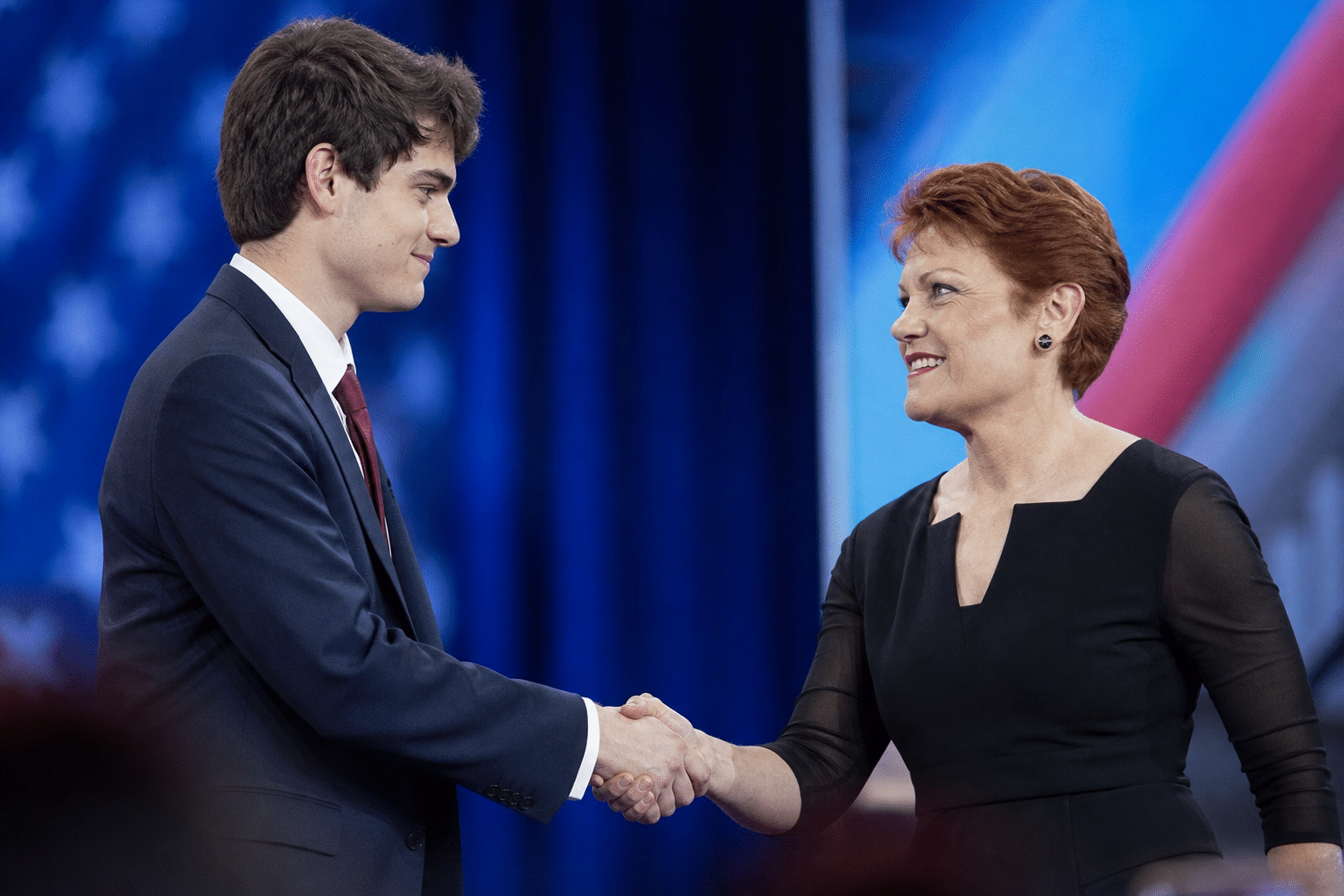
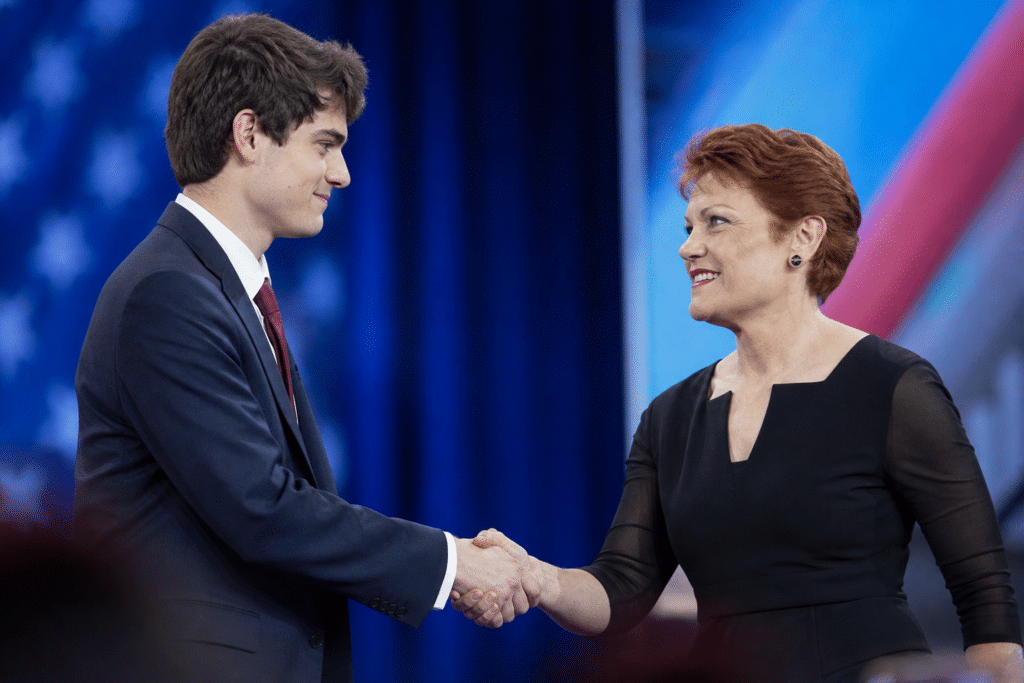
Mr Taylor received applause from about 50 people after his speech. Minutes later, hundreds stood when One Nation leader Pauline Hanson entered the stage. Both leaders addressed similar themes, but the audience response underscored Ms Hanson’s standing at the gathering. Ms Hanson said voters did not want Anthony Albanese as prime minister, but were also not seeking a “smarmy management consultant”. She later denied the remark was directed at Mr Taylor.
CPAC organisers highlighted common ground between the Liberals, Nationals and One Nation. An introductory video urged attendees to support “Angus”, “Pauline” and Nationals leader Matt Canavan. Speakers and attendees frequently criticised net zero, eSafety Commissioner Julie Inman Grant, Labor, school curriculums, Welcome to Country and Energy and Climate Change Minister Chris Bowen. CPAC chair Warren Mundine said Mr Bowen’s name gave him “chills” and recounted an encounter in which a friend stopped him from reacting violently.
The conference also exposed a strategic question for the Coalition: whether a wider conservative movement is forming or whether One Nation is weakening the Liberals’ place within it. Liberal frontbencher Andrew Hastie did not appear at CPAC. In a recent podcast appearance, he promoted the Coalition’s migration-cutting plan but said “chasing One Nation down the rabbit hole” would not return his side to government. CPAC founder Andrew Cooper instead advocated a future “Coalition of the willing” among the three conservative parties and called on them to share preferences at the next election.