












Arabic version: مشروع خطة يستهدف تهديد الثعالب للحياة البرية الأسترالية
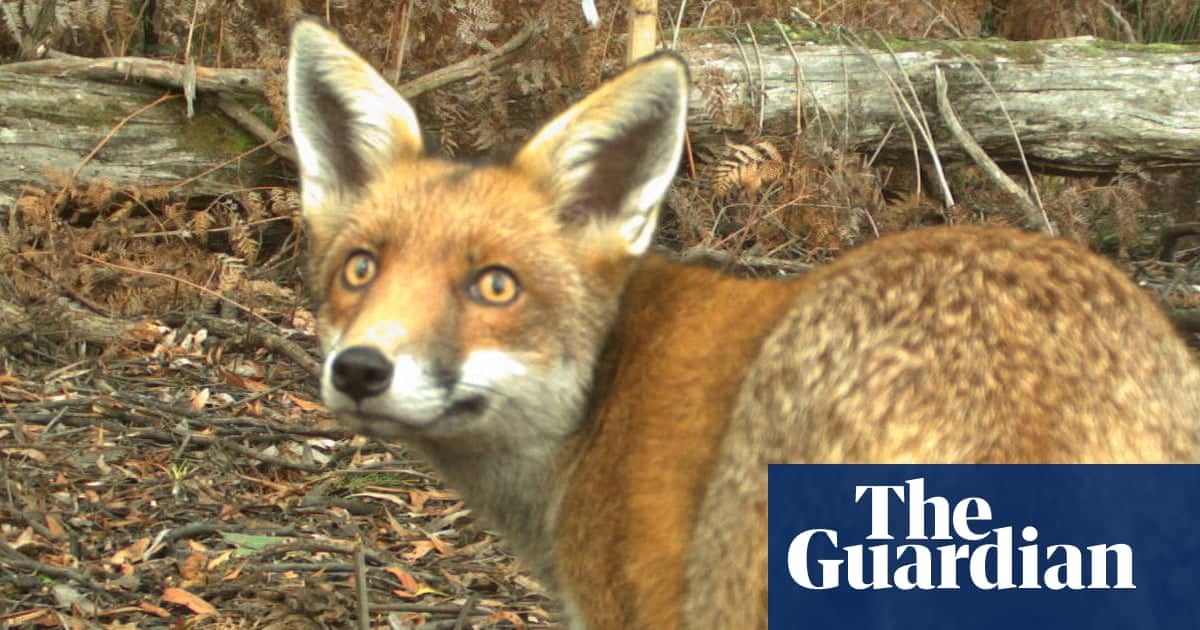
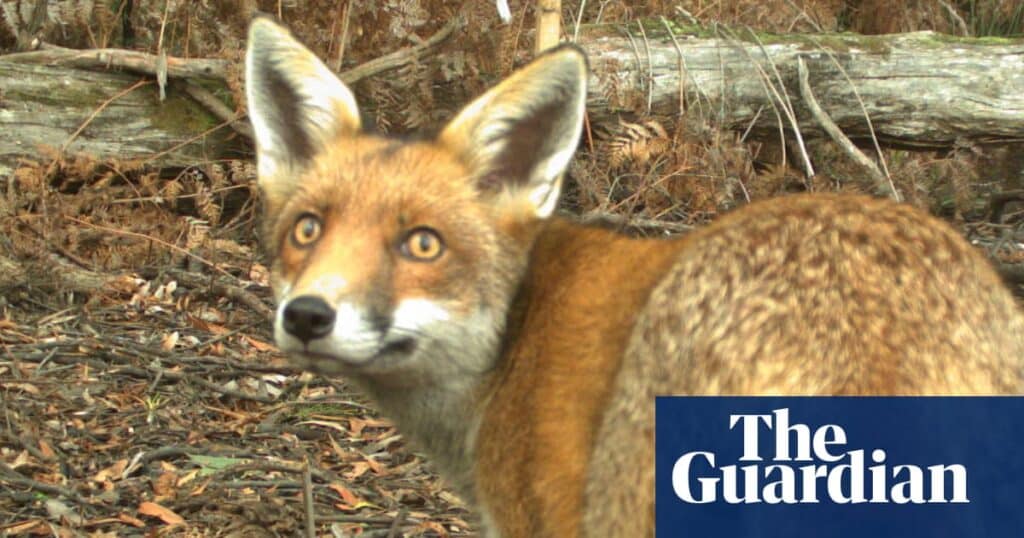
According to The Guardian, Australia’s federal environment department is considering a draft national strategy to reduce the harm European red foxes cause to threatened native wildlife. The proposal would be the first updated national effort focused on fox impacts in nearly two decades.
Sarah Legge, a Charles Darwin University professor and author of the draft plan, said foxes are one of the most consequential threats to native mammals. Australia has lost about 40 mammal species, with predation by foxes and cats identified as the overwhelming cause of those extinctions, she said.
Recent estimates put the fox population at about 1.7 million across the country, from central Queensland through New South Wales, Victoria and South Australia, with populations also thriving in Western Australia. Studies estimate foxes kill more than 367 million native mammals, 111 million birds and 88 million reptiles each year, as well as countless invertebrates and frogs.
The draft accepts that foxes cannot be eradicated across mainland Australia, but proposes greater protection for species at greatest risk. Suggested measures include more funding for fox-free islands and fenced predator-proof areas, alongside collaboration and legislative harmony between states and the federal government. A dozen highly susceptible species include Gilbert’s potoroo, the eastern quoll, eastern barred and western barred bandicoots, several bettongs and hare-wallabies, the Tasmanian pademelon, and seven freshwater turtle species.
The 30-year plan is open for public comment. Full implementation is estimated to cost about $175m over its first five years, or roughly $35m a year, compared with current fox-abatement spending of $5m to $7m annually. The department says foxes cause about $190m in damage to Australian biodiversity each year and that sustained action is needed for lasting wildlife population improvements.