










Arabic version: الانتخابات الإسرائيلية تختبر كتلة نتنياهو والمعارضة
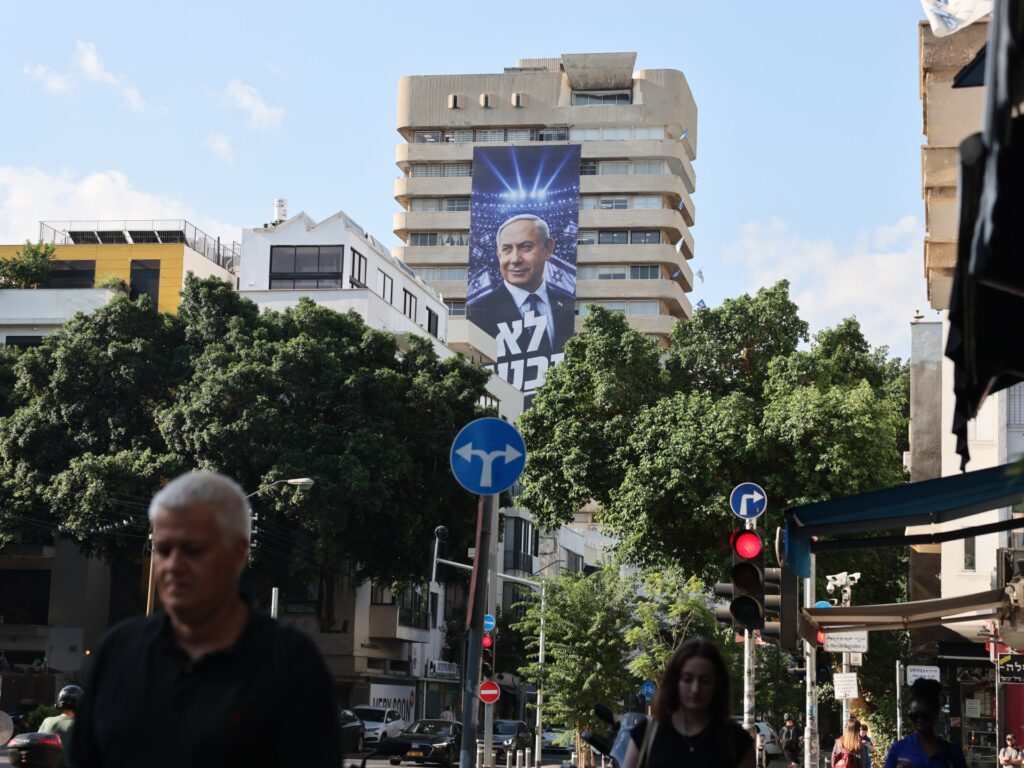
According to Al Jazeera, Israelis will vote on Tuesday in legislative elections that will shape the next government as the country faces continuing conflicts, international criticism and deepening domestic polarisation. It is the first election since the Hamas-led attacks on Israel on October 7, 2023 and the subsequent war in Gaza.
Two principal blocs are competing for power. Prime Minister Benjamin Netanyahu’s Likud leads a coalition that includes United Torah Judaism, Shas, Otzma Yehudi and Religious Zionism-Zehut. The main opposition coalition brings together Yashar, the Democrats, Yisrael Beiteinu and the Together alliance. Parties need 3.25 percent of the vote to enter the 120-seat Knesset, and 61 seats are needed for a majority.
The last polls published before a ban on new surveys projected 52 seats for the opposition alliance and 50 for Netanyahu’s bloc, public broadcaster KAN reported. The remaining seats were projected to go to unaffiliated parties, including Ra’am and the Joint List, the main Arab-majority political lists. Both major blocs have effectively ruled out partnering with Arab-led parties, raising the prospect of difficult coalition talks, a minority government or another election.
Key campaign issues include calls for accountability over reported security failures before the October 2023 attacks, anger over military exemptions for the growing ultra-Orthodox community and concern over Netanyahu’s judicial reform efforts. Netanyahu, Israel’s longest-serving prime minister, also faces scrutiny over alleged security failures and corruption charges dating to 2019. An election loss could affect his political position and his exposure in the ongoing trial.
About 7.3 million Israeli citizens, including about 1.2 million Palestinian citizens of Israel, are eligible to vote. Recent polling suggested turnout among Palestinian citizens could reach 60 percent, while a 65 percent turnout could give Arab parties as many as 15 seats. The Supreme Court allowed the Joint List and Ra’am to remain in the race after the Central Elections Committee sought to bar them, though Balad leader Sami Abu Shehadeh was required to withdraw.