












Arabic version: مجلس إقليم العاصمة الأسترالية يطالب بوقف مراكز البيانات
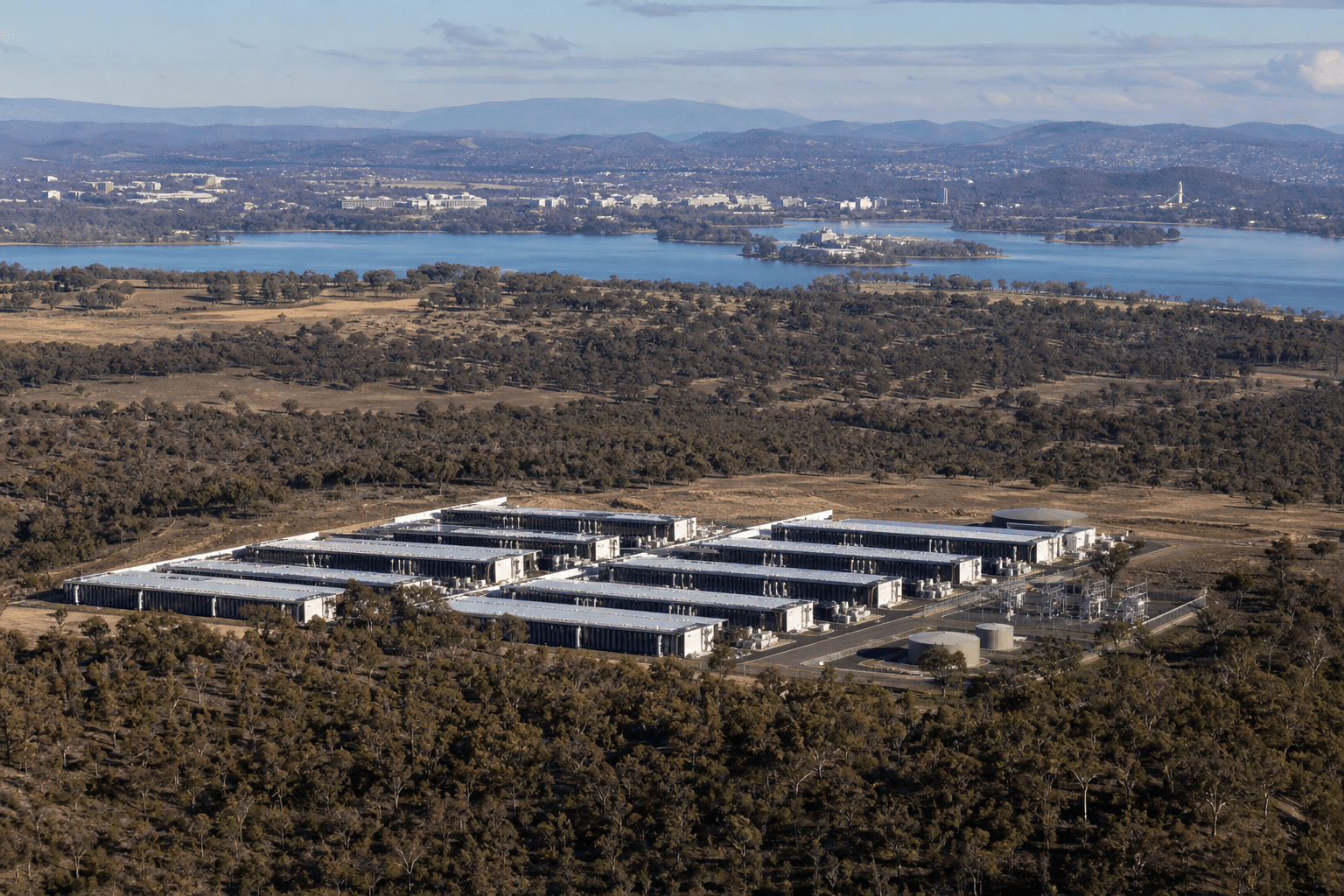
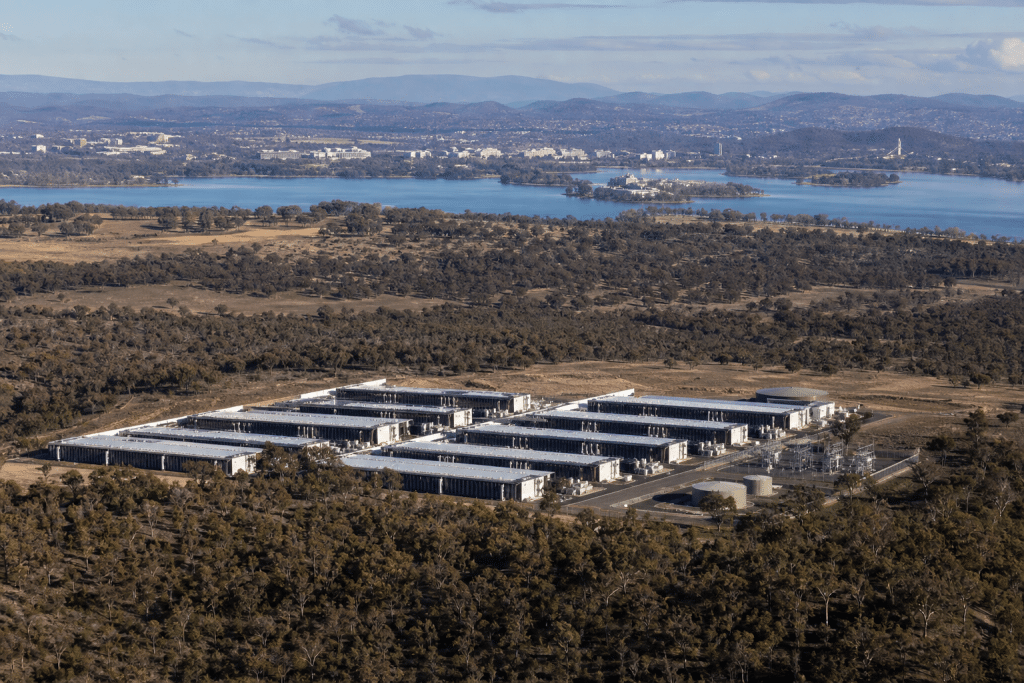
According to ABC News, the Conservation Council ACT is calling for a moratorium on new and expanded data centres in the ACT until industry-specific rules are introduced. The council says it is concerned about pressure that further development could place on Canberra’s electricity grid, water supply, biodiversity and communities.
There are 15 data centres in the ACT, with the first built in 2007. Conservation Council ACT director Simon Copland said the growth of artificial intelligence made this a time to pause and discuss the industry rather than continue approvals before checks and balances were established. The council wants standards covering issues including secure water supplies and the use of technologies such as closed-loop cooling, which uses less water.
A second CDC Data Centre in Beard, near Canberra Airport, was conditionally approved in September. The proposed $200 million, three-storey facility would contain 12 data halls and sit beside another CDC site. Copland said the first stage of the Beard development was expected to use 5 per cent of the ACT’s peak energy, while the proposed second centre would use double that. The project application was submitted a week before the ACT government promised a framework setting rules on locations, standards and proposal assessments.
The ACT Greens and other community groups have also sought a moratorium, though Chief Minister Andrew Barr said in August that the territory already had rigorous planning, environmental, utility and regulatory requirements. The federal government is developing national standards and oversight for artificial intelligence, including requirements for large-scale AI data centres to minimise water use and fund their own power supply. CDC chief executive Greg Boorer said his company uses closed-loop cooling and that facilities can be appropriate infrastructure when built in the right locations, while adding the sector needed to engage local communities more proactively.