
Arabic version: إيران تقيّم إبعاد فانس عن المفاوضات
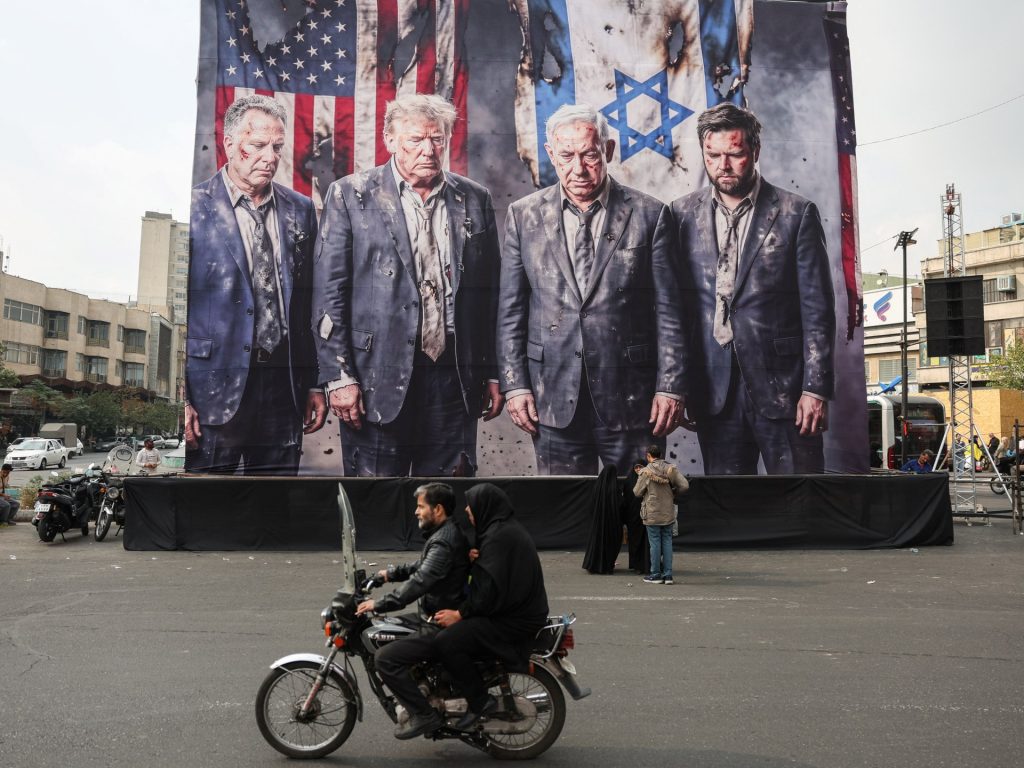
According to Al Jazeera, Iranian decision-makers are weighing the consequences of US Vice President JD Vance being removed from the Iran file, a shift analysts say could increase the risk of conflict. President Donald Trump said Vance would focus on alleged Democratic “corruption” and that an Iran deal was no longer a government priority.
Vance had been the US chief negotiator in contacts with Tehran and was viewed in Iran as a comparatively pragmatic figure following the February 28 US-Israeli war on Iran. University of Tehran professor Nasser Hadian said the reassignment signalled that a deal was not currently a priority and redirected an official seen as holding a relatively softer position on Iran.
Vance had supported a negotiated outcome because of the war’s economic costs for US citizens and opposition reflected in opinion polls. He was backed by Jared Kushner and Steve Witkoff in negotiations over a June memorandum of understanding that briefly paused the war and resumed shipping through the Strait of Hormuz. Mediated contacts continue, but no breakthrough is expected as Tehran seeks seven conditions and clear sequencing of concessions.
Mohammad Saleh Sedghian of the Arab Center for Iranian Studies said Iranian authorities also question whether Washington would uphold any future agreement. He said mistrust was complicating negotiations and warned that continuing sanctions, blockade and disruptions were imposing substantial costs on Iranian people.
Fighting over the Strait of Hormuz has continued. Iran’s Islamic Revolutionary Guard Corps and regular army reported new incidents involving vessels they said used “unauthorised” routes. The United Kingdom Maritime Trade Operations recorded eight incidents in and around the strait during the week and said 139 outbound and 169 inbound transits were about 65 percent below pre-conflict levels.